
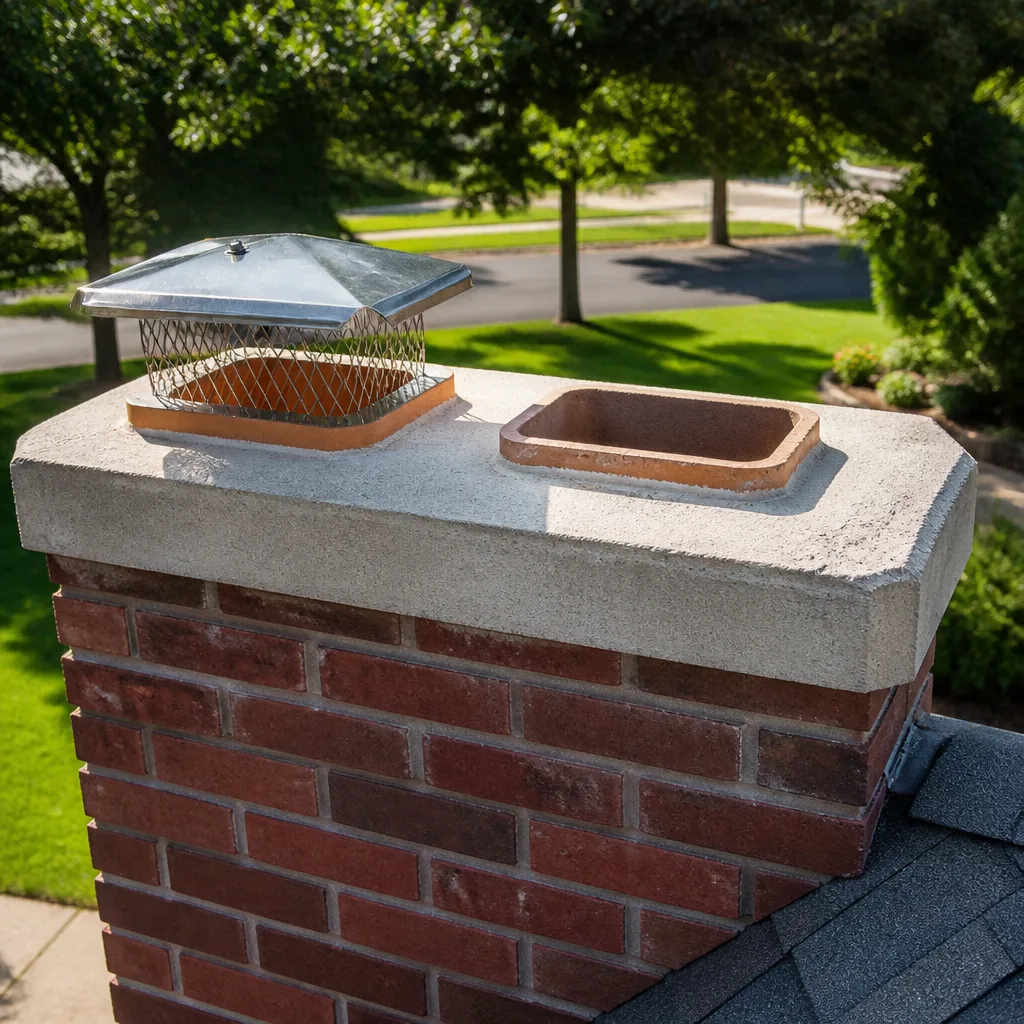
 Sweep & inspection
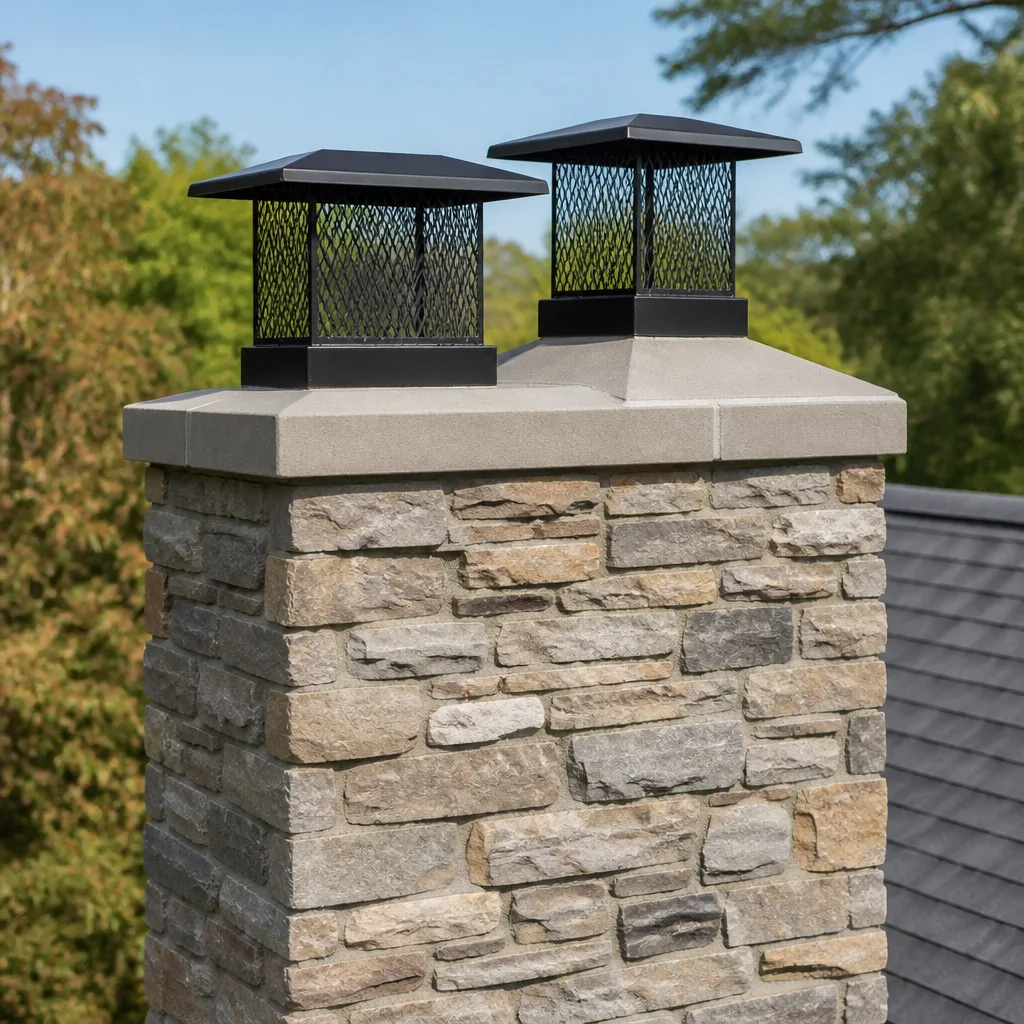 Caps & crowns
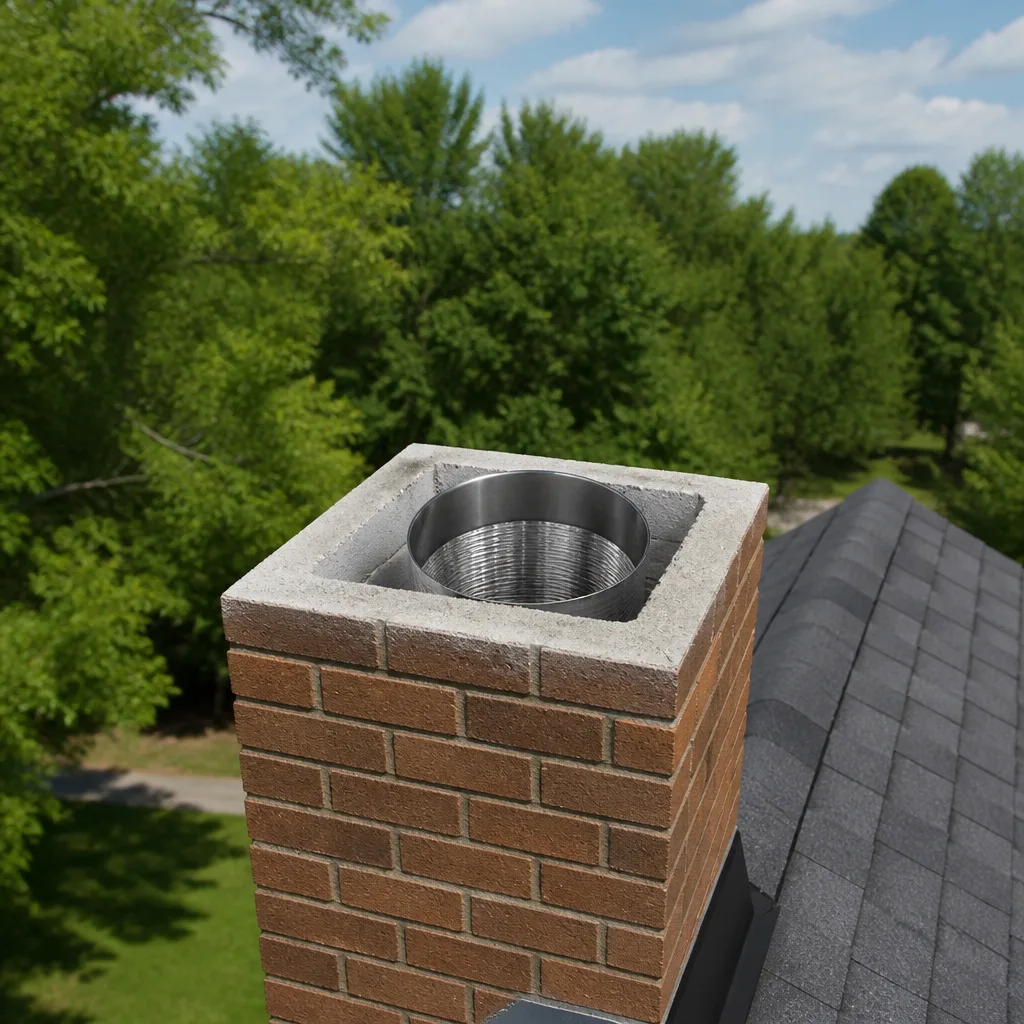 Flue relining
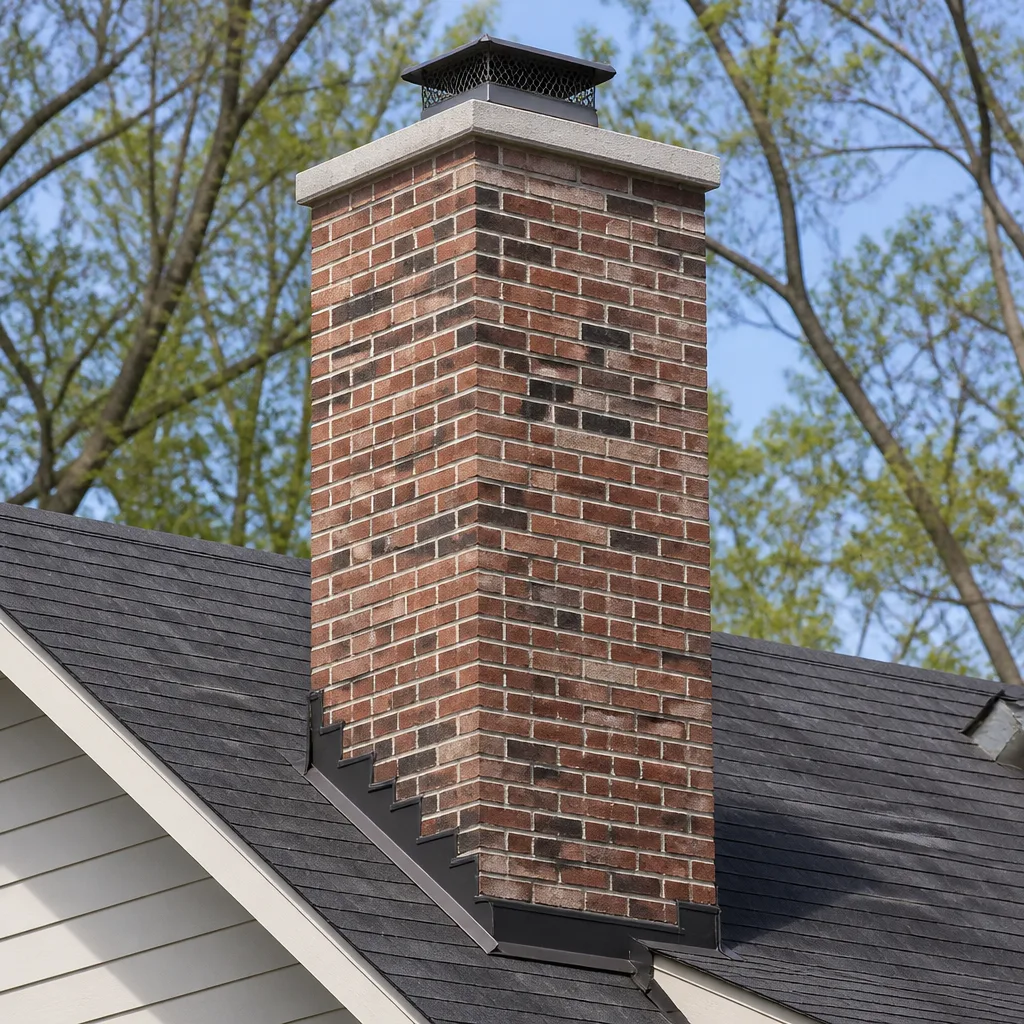 Masonry repair
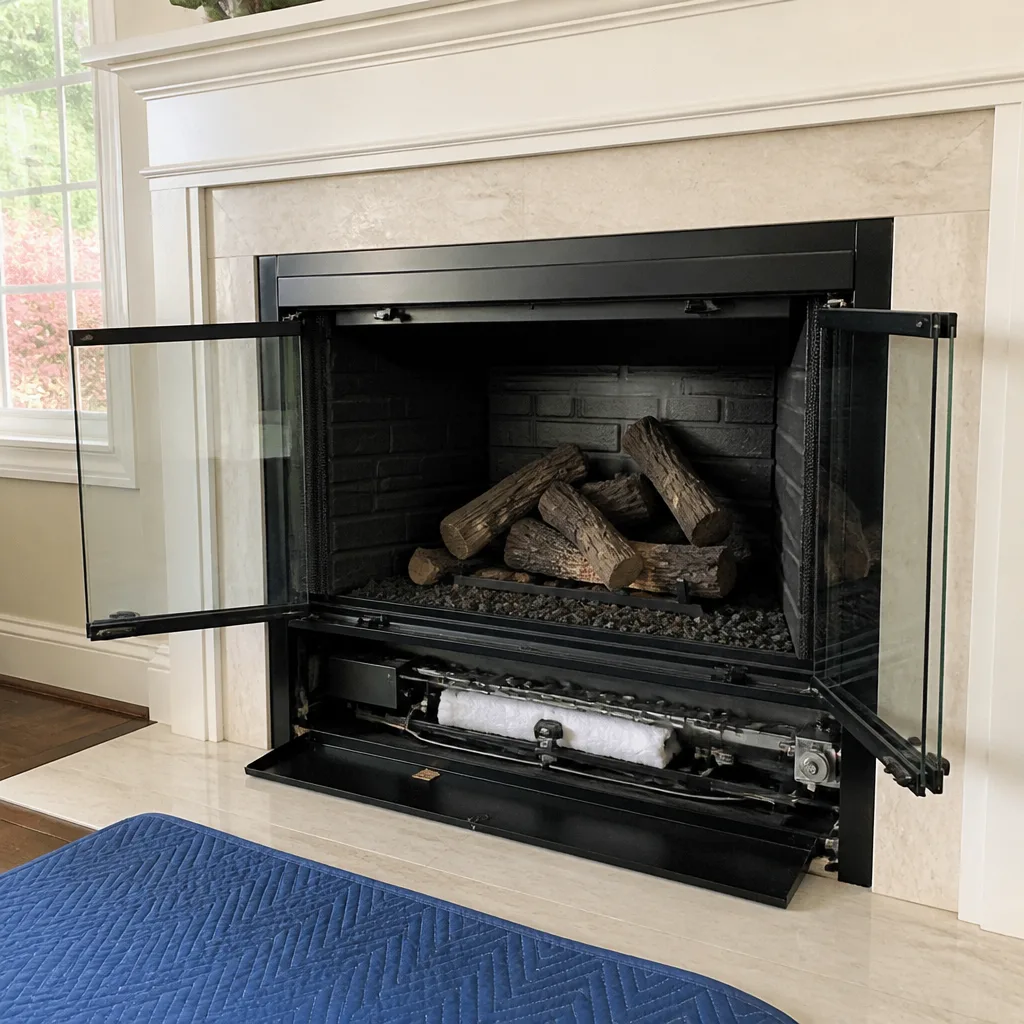 Gas fireplace service
Level 1 sweep and inspection to the NFPA 211 annual standard - flue, crown, cap, and flashing checked and photographed
Chimney sweep logs do not sweep chimneys. They loosen some creosote - which then falls where a brush and vacuum still have to collect it.
Fast, Reliable Chimney Inspection Across Inwood
If you own or manage a pre-war building in Inwood, your chimney is probably not what the last owner told you it was. Most of the chimney work we’re called to around Fort Tryon and Inwood Hill involves dormant flues built for coal, sealed decades ago, then quietly repurposed for gas boilers and water heaters. A chimney inspection in Inwood, NY starts with finding out what your flue is actually doing today, not what it was designed to do in 1932. Call (844) 625-7414 and we’ll book a sweep and inspection for your building. We answer 24/7. Fast dispatch from 7am to 7pm, Sunday through Friday.
Why Inwood Homeowners Call Chimney Sweep Inwood for Chimney Inspection
Inwood is a neighborhood of renters, co-op boards, and small landlords who have all been burned by somebody with a flashlight and a sales pitch. We hear the same story repeatedly: a contractor glanced up from the firebox, said the liner was shot, and quoted masonry work nobody could verify. That is the reason our inspections lean on camera footage you watch yourself. If we recommend a repair, we show you the spalling, the gap, the cracked crown on the monitor before we talk price. If nothing needs doing, we say so and tell you when to check again.
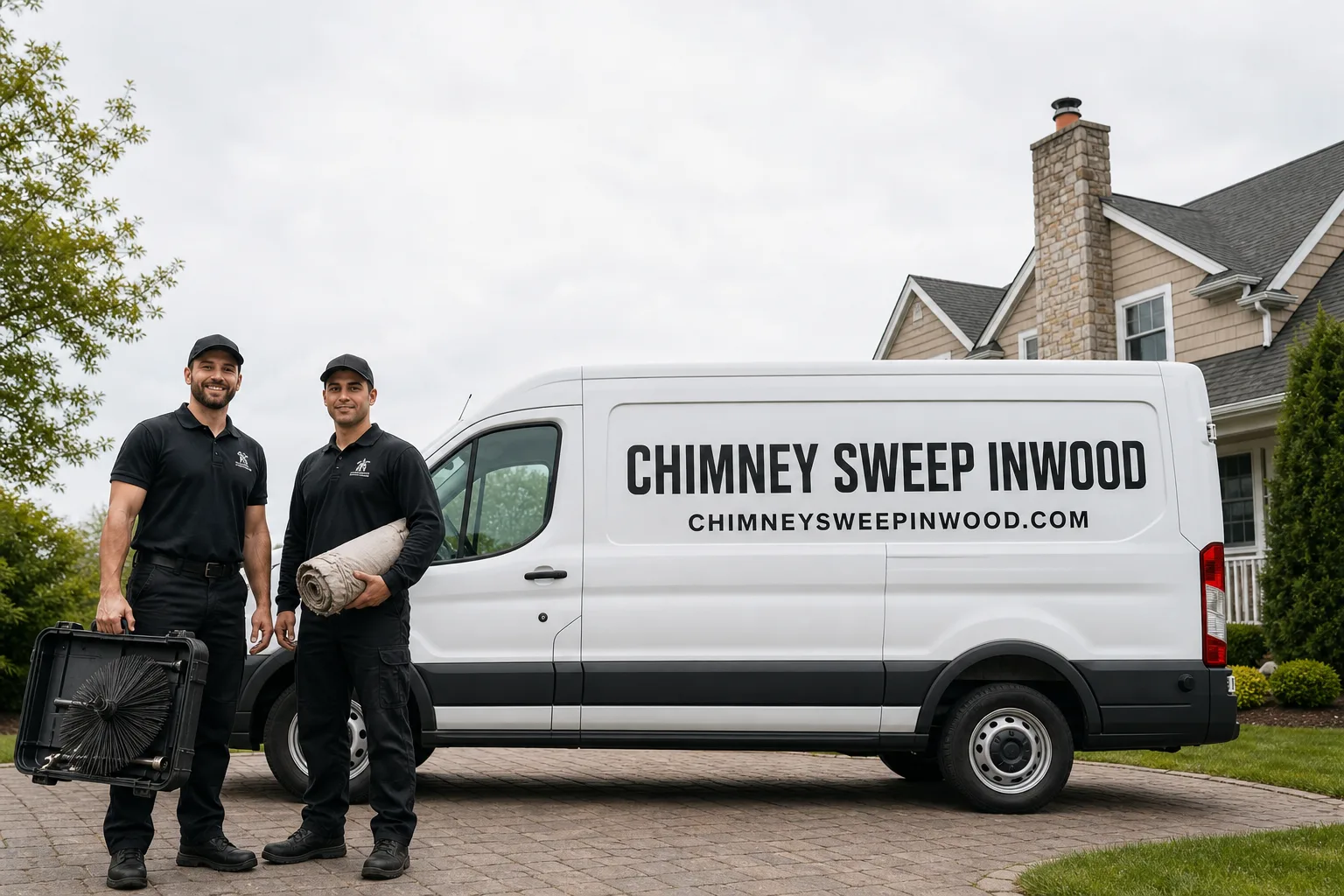
Our technicians have up to 9 years of experience, and they work on chimneys every day rather than occasionally between HVAC jobs. That matters in a building stock as particular as Inwood’s. A six-story pre-war block on Seaman Avenue and a 1910 row house near Inwood Hill Park fail in different ways, and an inspector who doesn’t know the difference will either miss damage or invent it. We serve Inwood as a single-trade specialist for exactly that reason. We also work with professional-grade brands the trade trusts, including HeatShield and DuraFlex, so a recommendation is backed by materials we can actually source and install correctly.
Styles & brands we work with
- Sweep & inspection
- Caps & crowns
- Flue relining
- Masonry repair
- Gas fireplace service
Our Chimney Inspection Services in Inwood
Every inspection we run in Inwood follows one of the three industry levels, plus a camera scan where the flue warrants it. Here’s what each one covers and when it applies to a building here.
Level 1 Inspection in Inwood
A Level 1 inspection is a visual check of the accessible portions of the chimney, firebox, and connector, done with the appliance in normal service. It’s the right call for an Inwood row house with a chimney that’s been maintained and is used the way it was built to be used. If you’ve had a sweep recently and nothing has changed, this is usually all you need.
Level 2 Inspection in Inwood
A Level 2 inspection goes further: accessible attic, crawl space, and roofline, plus a camera run through the flue. This is the inspection Inwood’s pre-war buildings usually need, because the flue condition can’t be judged from the firebox alone. It’s also the level required after a change of occupancy, a fuel change, or a relining, all of which happen constantly in this housing stock. When a co-op board or a buyer’s attorney asks for a real-estate inspection, this is the scope they mean.
Level 3 Inspection in Inwood
A Level 3 inspection is a targeted investigation that may require opening a wall or chase to reach a concealed problem. In Inwood’s 1920s to 1940s brick blocks, sealed coal-era chases sometimes hide deterioration that a camera can’t reach through the flue alone. We only recommend this level when earlier findings point to a specific concealed defect, never as an upsell.
Camera Inspection and Flue Inspection in Inwood
Camera work is the heart of what we do on Inwood’s older stacks. A camera run through a clay-tile flue shows soft mortar joints, spalling, gaps at offsets, animal nests, and the debris left behind after a coal-to-gas conversion. We verify draft and the condition of the crown and cap at the same time. If you want to understand the difference between levels, our chimney inspection page walks through the full scope. Nothing gets recommended here without footage you can see for yourself.
What Makes an Inwood Inspection Different
Inwood is Manhattan’s last true working-class neighborhood, sitting at the island’s northern tip on high ground of Manhattan schist. The buildings tell the story. Most of the housing is pre-war brick apartment blocks, some six stories, alongside early-1900s two- and three-family row houses that climb the steep side streets near Fort Tryon and Inwood Hill Parks. The chimneys were built for coal. Coal gave way to oil, then to gas and steam, and a lot of those original chases were capped, sealed, or repurposed for gas boilers and water heaters without anyone re-engineering the flue around the new appliance. So the trade here is less about sweeping an active fireplace and more about verifying liner integrity and confirming that a dormant flue is safely decommissioned.
Weather makes it worse. Inwood’s high ground catches Nor’easters and cold northwest winter winds funneling down the Hudson, and the freeze-thaw cycles crack aging 1920s brick crowns and spall the mortar on older stacks. Access adds another wrinkle. Many steep, narrow side streets off Seaman Avenue leave nowhere to position a truck close to the building, so a technician often carries the camera and rods up exterior stairs and through walk-ups to reach the roof. That’s a detail that changes the time and cost of a job, and it’s specific to this part of Manhattan.
A typical job in one of Inwood’s 1920s to 1940s brick buildings goes like this. A gas boiler or water heater vents into an original clay-tile flue that was never sized for it. Over the years the mortar joints soften and the liner spalls. A qualified local pro runs a camera down the flue to check for gaps, blockages, and spalling, then verifies draft and looks at the crown and cap. If the liner is compromised, a HeatShield ceramic resurfacing or a DuraFlex liner may be the right fix. Because many of these streets are too tight for a truck, the technician often ends up hauling equipment up exterior stairs and through walk-ups to reach the roof.
Trusted Brands We Service in Inwood
We work with a curated set of professional-grade chimney brands: DuraFlex, HeatShield, Gelco, Olympia Chimney, Famco, and Copperfield. That matters for Inwood’s older stacks, where DuraFlex flexible liner systems handle retrofits and non-standard flue configurations that rigid liners can’t. HeatShield’s ceramic resurfacing extends the life of aging masonry flues without a full liner replacement, a method most general contractors can’t install. When we recommend a repair, it uses parts and materials a certified chimney professional would actually choose, not whatever a big-box store happens to stock. From the firebox to the cap, we handle the whole system under one roof, so there’s no handoff to a second contractor mid-job.
See the difference
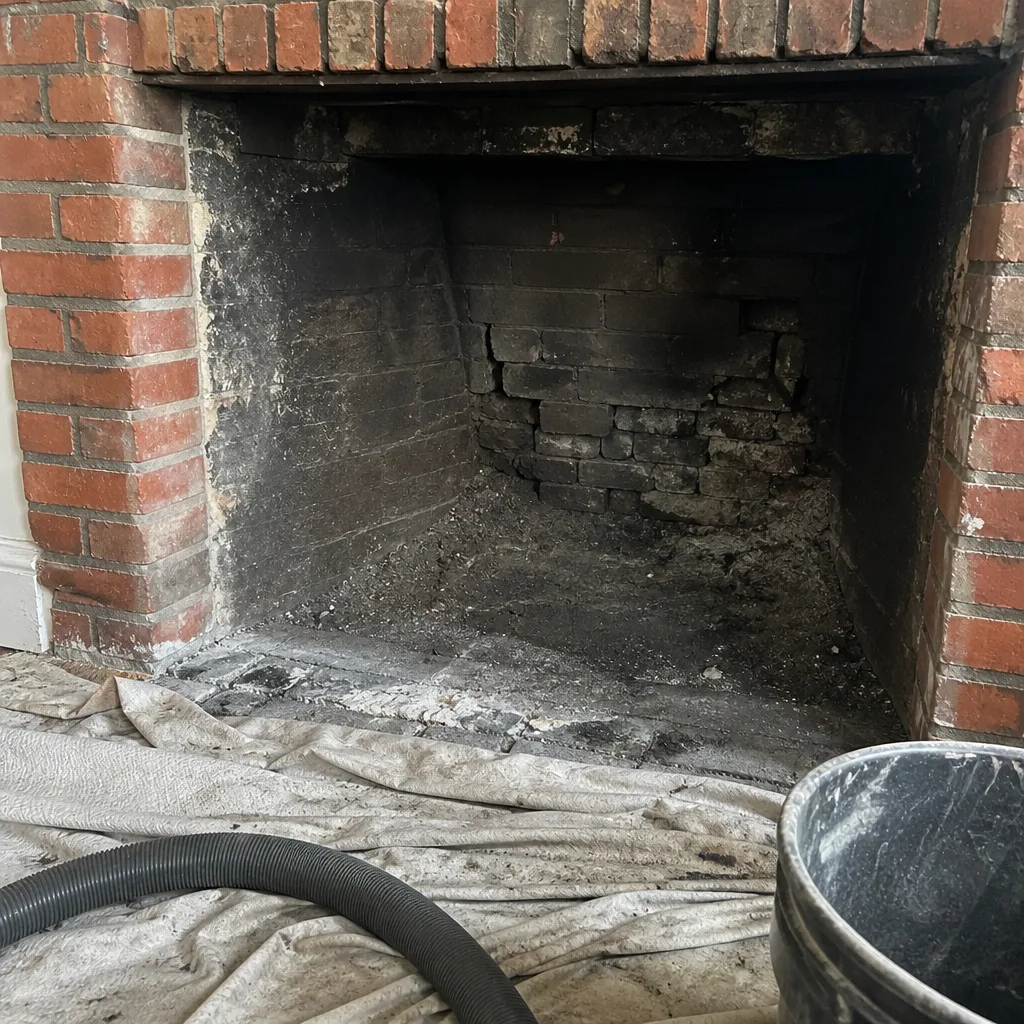 Before
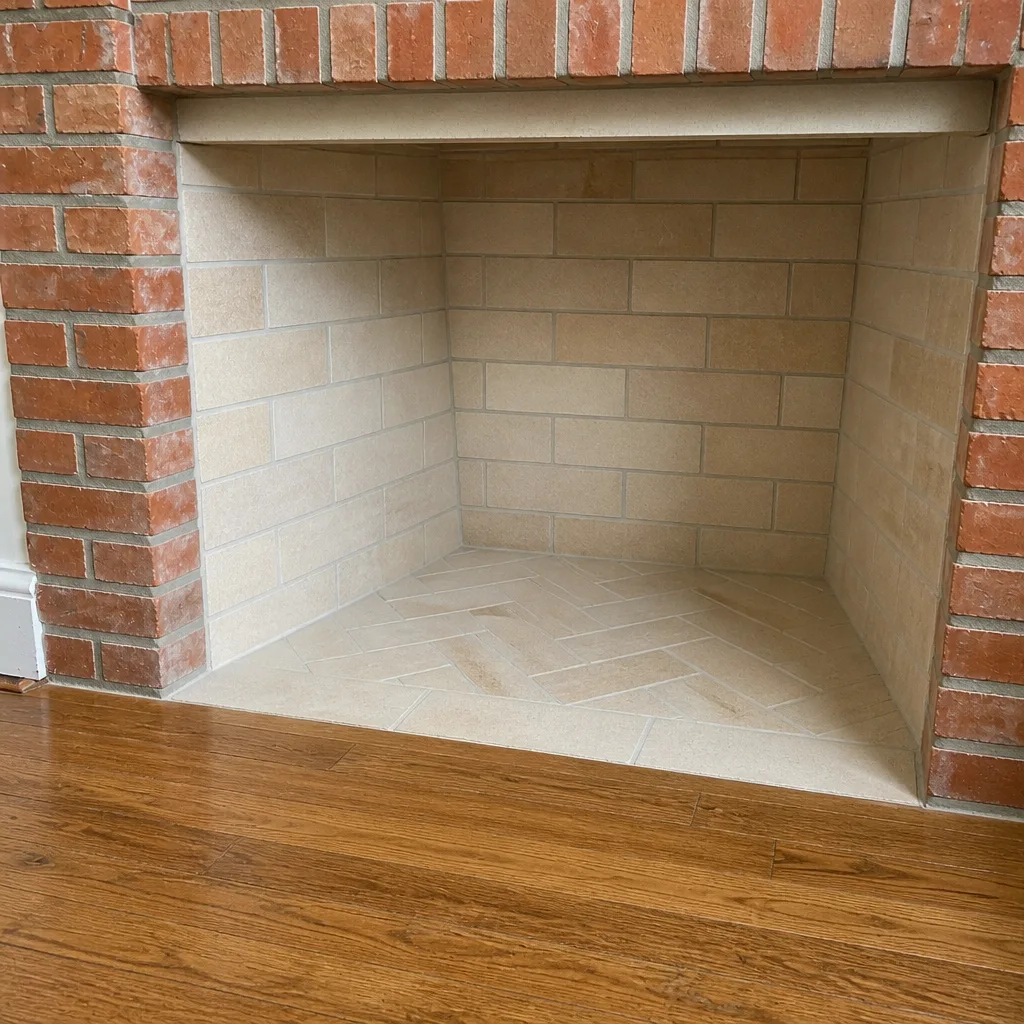 After
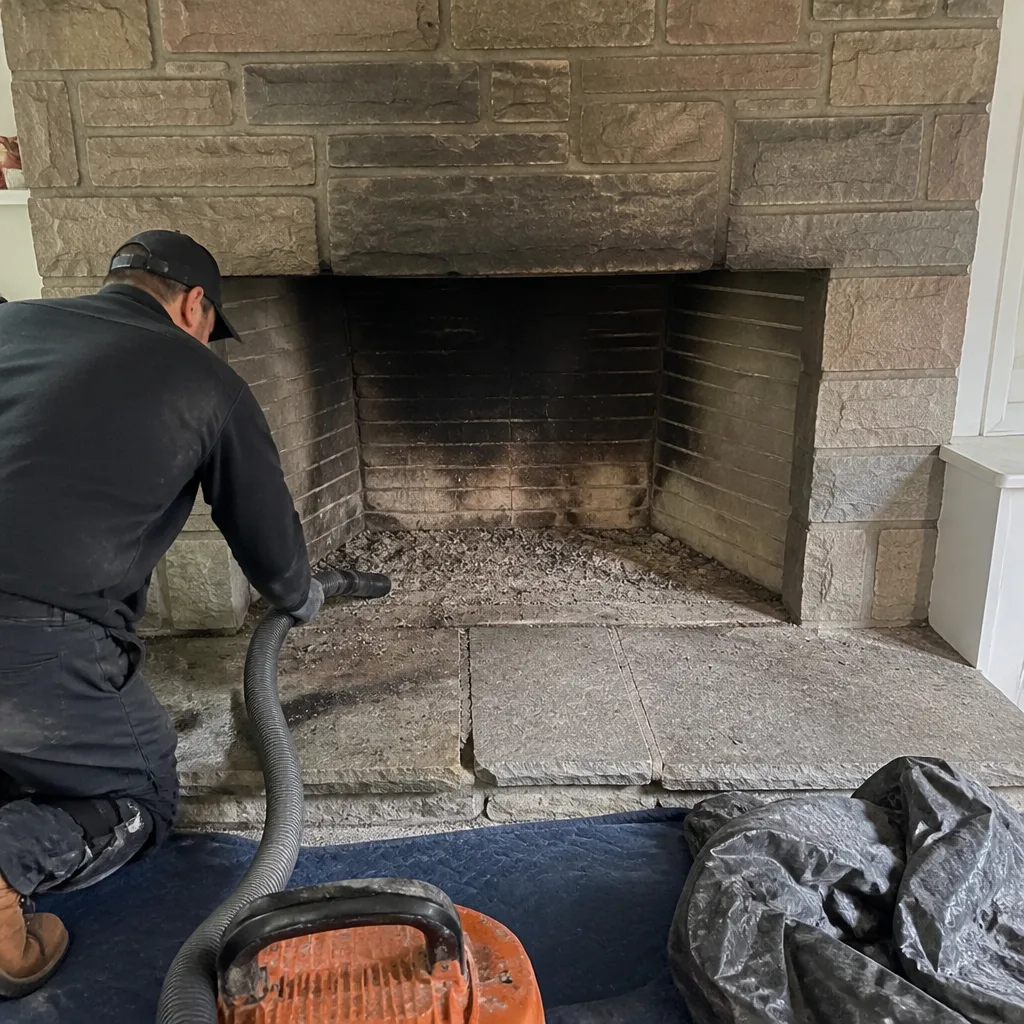 Before
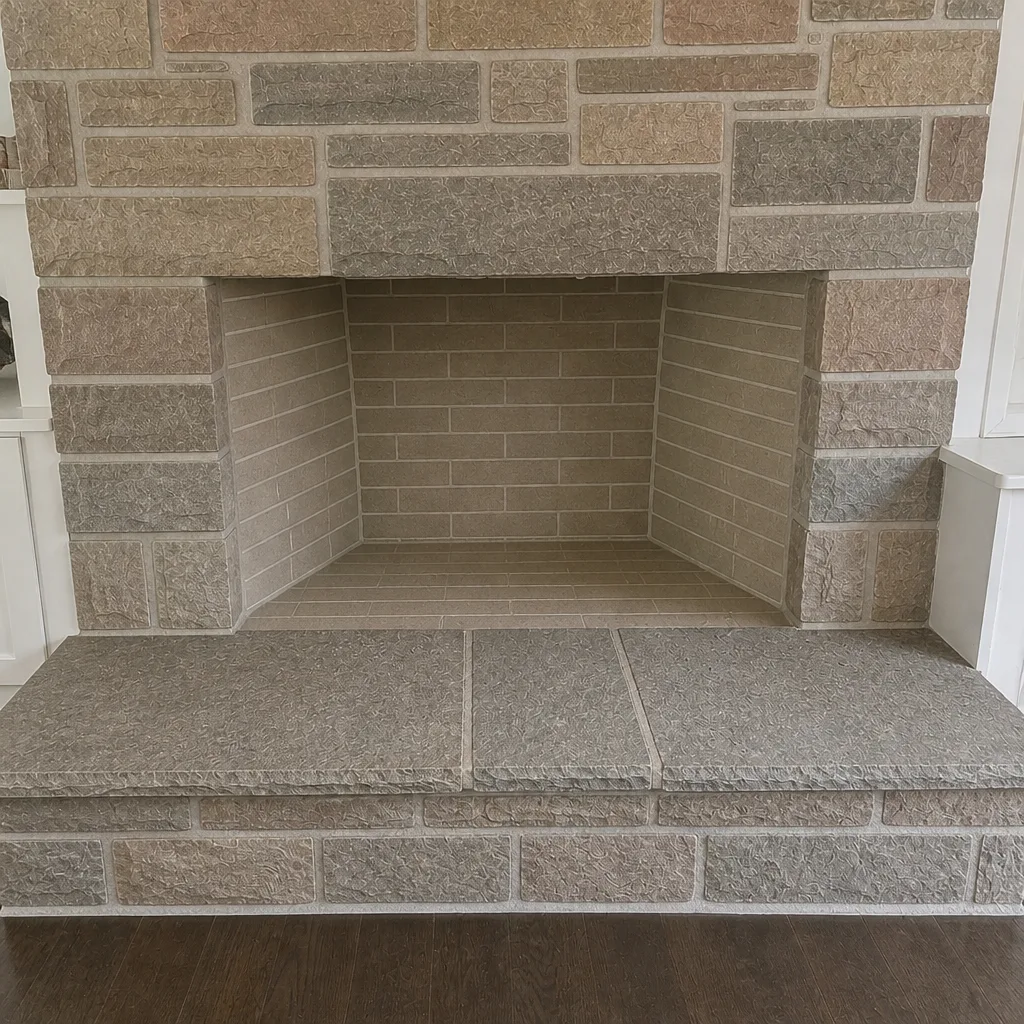 After
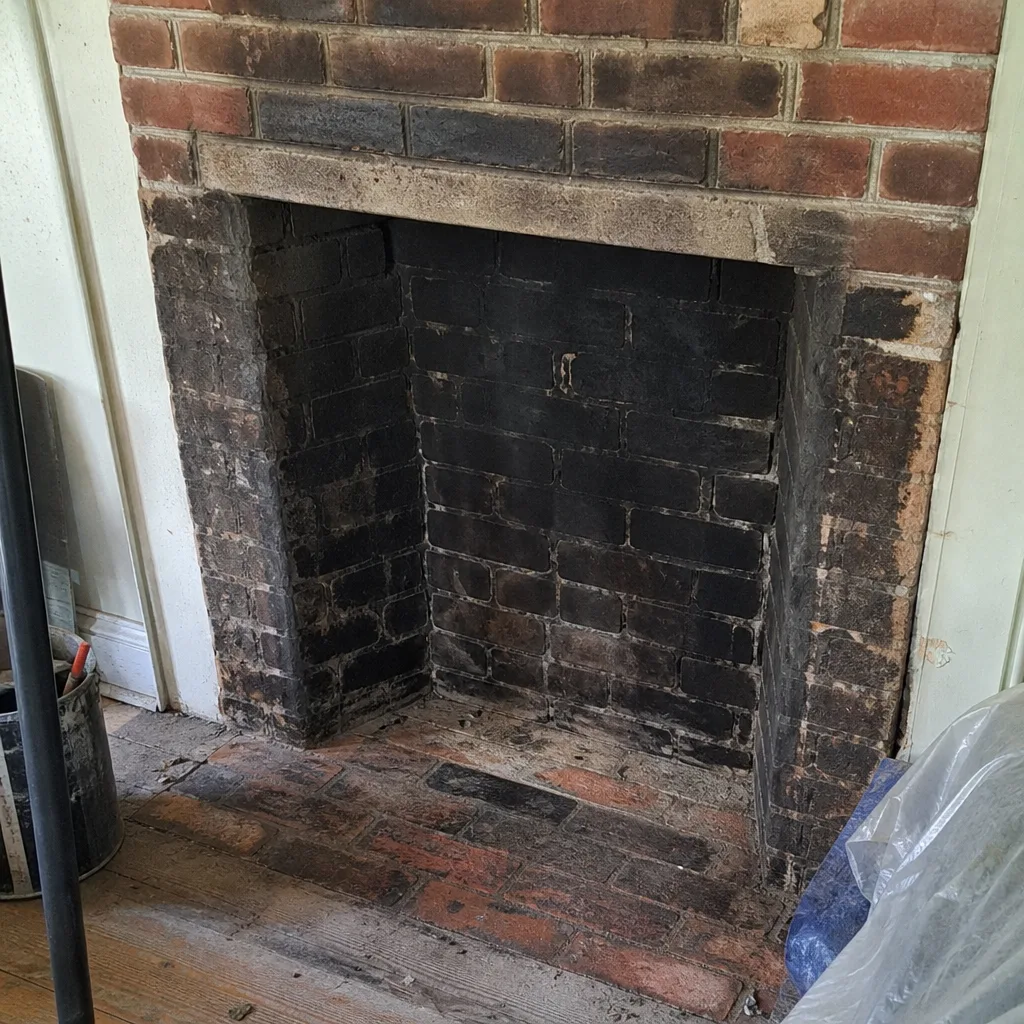 Before
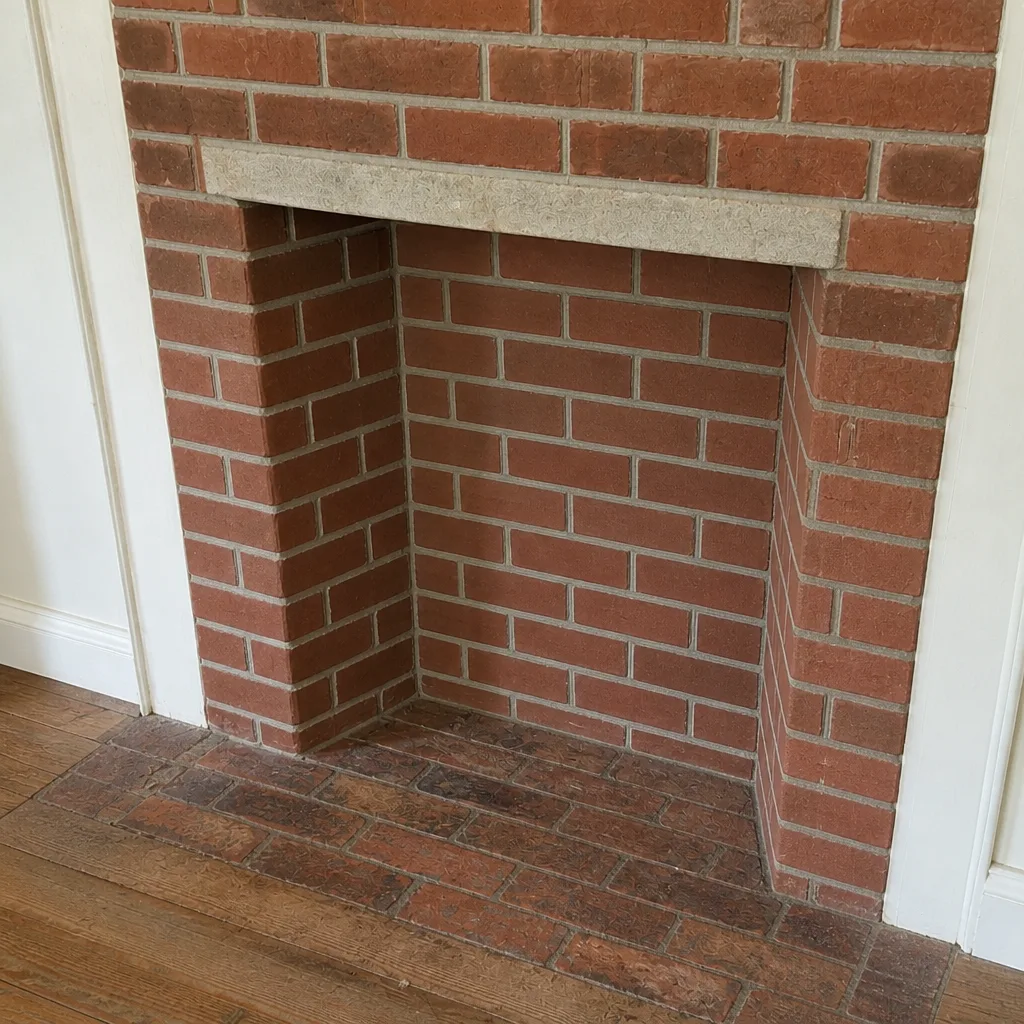 After
Common Chimney Inspection Problems We See in Inwood Homes
- Dormant flues assumed safe after a coal-era cap-off. A flue capped decades ago can still take on animal nests, weather intrusion, and mortar deterioration. Without an annual inspection, that damage goes unnoticed until it shows up as a draft problem or a carbon monoxide concern.
- Gas appliances vented into undersized clay flues. A gas boiler or water heater pushed into a flue built for coal often runs too cool for the flue to draft correctly, and slow condensation softens mortar joints over time. Camera work shows the spalling before it becomes a structural problem.
- Spalling mortar and cracked crowns from freeze-thaw cycles. Inwood’s Nor’easter exposure and cold winter winds hammer 1920s brick. Crumbling crowns and soft mortar get missed when an inspection stops at a flashlight look from the firebox instead of a full Level 2 scan.
- Condemned liners and upsold masonry with no proof. The worst pattern we see is a homeowner told they need thousands of dollars of liner or masonry work with no evidence. In a neighborhood where the same failing liner gets quoted three different ways, camera footage is the only fair arbiter.
Pricing for Chimney Inspection in Inwood, NY
An estimated chimney inspection in Inwood runs about $99 to $250 for a standard Level 1 or Level 2 with camera work, depending on the building, flue configuration, and roof access. A Level 3 with a wall opening costs more because it involves removing and restoring finishing. Camera inspection as part of a sweep typically falls inside the inspection range; as a standalone diagnostic it runs about $150 to $300. Where things get steep is repair, and we don’t quote repair until you’ve seen the footage. A HeatShield resurfacing or DuraFlex reline is priced per linear foot and per flue, and the written estimate sets the final price. Estimates are free. Call (844) 625-7414 for yours. We answer 24/7. Fast dispatch from 7am to 7pm, Sunday through Friday.
We Also Serve Cities Near Inwood
Our chimney inspection team works across the northern tip of Manhattan and the Bronx-adjacent neighborhoods around it, including University Heights, Kingsbridge, Spuyten Duyvil, and Washington Heights. If you’re just outside the neighborhood line, the same pre-war brick and repurposed-flue story applies in most of these buildings. Learn more about how we serve Inwood and the surrounding blocks.
Serving Inwood, NY – Our Local Coverage Area
We serve Inwood and nearby communities. Use the map below to see the area we cover. If you’re nearby, we can almost certainly help.
FAQs – Chimney Inspection in Inwood
Yes. A sealed chase is not a safe chase. Animals, weather intrusion, and mortar deterioration can damage or block a dormant flue even if no appliance uses it, and a sealed flue that’s quietly failing is exactly the kind of thing a camera scan catches. An annual inspection confirms the seal is intact and the liner hasn’t been compromised. Call (844) 625-7414 to book one.
A Level 1 is a visual check of the accessible chimney, firebox, and connector; a Level 2 adds the attic, crawl space, roofline, and a camera run through the flue. For an early-1900s row house near Inwood Hill Park, the Level 2 is usually the honest choice because the flue condition isn’t visible from inside. If you’ve changed fuel type or relined the chimney, you need a Level 2. Call (844) 625-7414 and we’ll tell you which level fits your building.
We access those roofs by carrying cameras and rods up exterior stairs and through walk-ups, because the steep, narrow side streets near the park often leave no room to park close. The technician plans the route before the visit so the inspection doesn’t stall on access. It takes a little longer than a flat-grid job, and we say so upfront when we quote. Call (844) 625-7414 to schedule.
Yes. You watch the camera feed with us, and we point out the spalling, the gaps, and the crown condition before we mention a solution. Any liner or masonry recommendation comes with footage you can see and, if you want, share with a board or attorney. If you’d rather wait on a repair that can safely wait, we’ll tell you that too. Call (844) 625-7414 for a free estimate.
Very likely. Inwood’s high ground catches Nor’easters and cold northwest winds off the Hudson, and the repeated freeze-thaw cycles crack aging 1920s brick crowns and spall the mortar on older stacks. A crumbling crown lets water into the flue, which accelerates the damage. It’s usually repairable without a rebuild, but it needs a camera scan first to see how far the water has reached. Call (844) 625-7414 and we’ll walk you through what we find.
Written by the team at Chimney Sweep Inwood.