
Last updated November 25, 2026
 Sweep & inspection
 Caps & crowns
 Flue relining
 Masonry repair
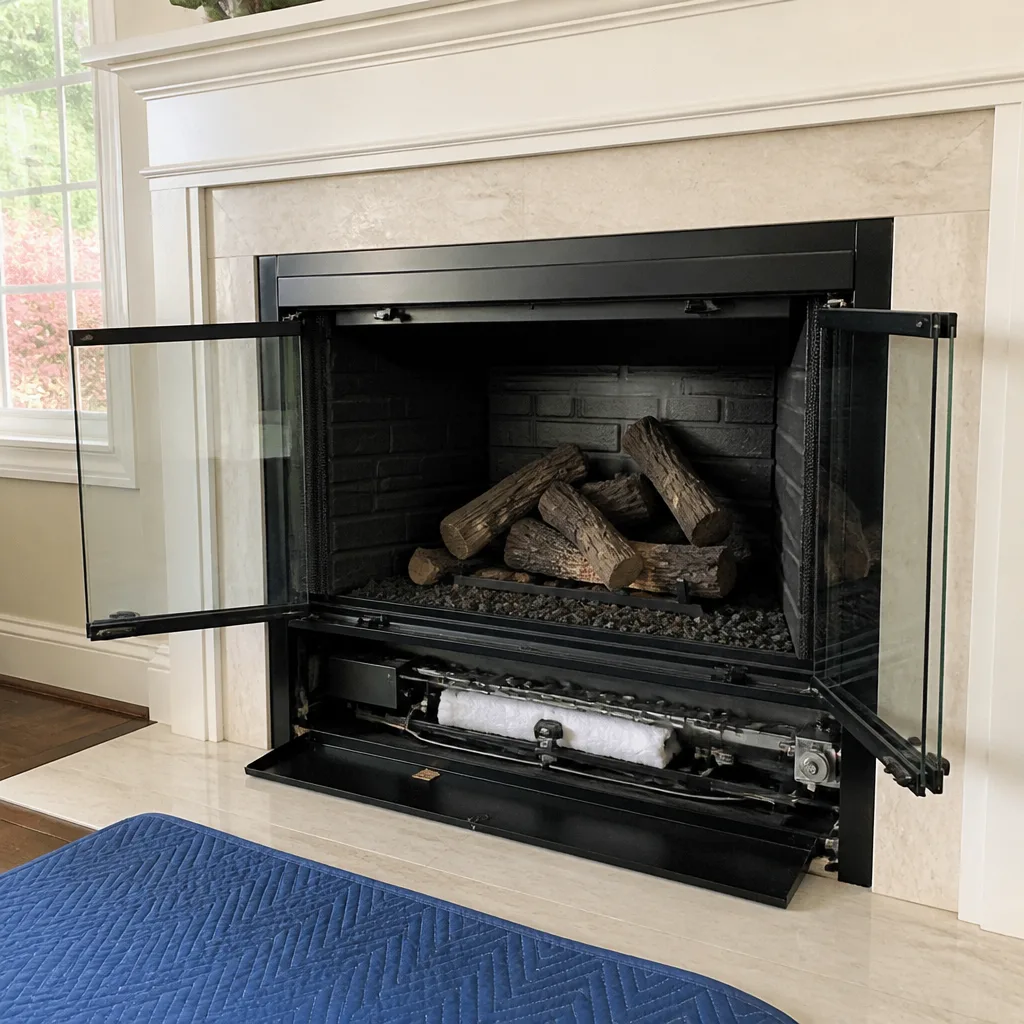 Gas fireplace service
Level 1 sweep and inspection to the NFPA 211 annual standard - flue, crown, cap, and flashing checked and photographed
Chimney sweep logs do not sweep chimneys. They loosen some creosote - which then falls where a brush and vacuum still have to collect it.
Chimney Cleaning Cost Breakdown: The Inwood Homeowner’s Reference for 2026
The $99 chimney sweep offer and the $350 chimney sweep offer are often not the same service. One is usually a visual once-over with a quick brushing; the other is a full inspection with video documentation, industrial vacuum containment, and a written report on the condition of your flue. Both get called “a sweep,” and that gap in scope is the single biggest reason chimney cleaning quotes in Inwood vary so much. This guide decodes the four tiers of work hiding behind the word “sweep,” what each one actually includes, and what drives the price difference between contractors you can trust and contractors selling a coupon. By the end you’ll know how to read a quote line by line and compare apples to apples.
Quick Answer
A standard chimney sweep in Inwood typically runs $180 to $350 for a full-service cleaning that includes a Level 1 inspection, industrial vacuum containment, and a written report. Add-ons like a video scan, creosote removal beyond the normal stage, cap or crown work, and liner repairs are priced separately and are quoted per job after the technician sees the flue. The written estimate sets the final price, and you should expect a free estimate before any work is booked.
Styles & brands we work with
- Sweep & inspection
- Caps & crowns
- Flue relining
- Masonry repair
- Gas fireplace service
Table of Contents
- What actually drives chimney cleaning cost in Inwood?
- The four service tiers hiding behind the word “sweep”
- Line-item breakdown of a full-service Inwood sweep
- How creosote stage changes the price
- What makes Inwood and Nassau County pricing different
- Repair early versus after another season of use
- How to read a quote and verify scope
What actually drives chimney cleaning cost in Inwood?
Chimney cleaning cost in Inwood is driven by four things: the scope of inspection bundled with the cleaning, the condition of the creosote inside the flue, access and height of the chimney, and the liner type. Labor and equipment matter, but they’re the smaller variable. A simple masonry flue on a one-story house is a different job than a clay-tile liner with a steep roof pitch and a cap that hasn’t been pulled in years.
Inwood sits at the edge of Nassau County where a lot of the housing stock is older, and older chimneys rarely have a straightforward flue. Many run clay tile liners that have cracked or spalled over decades of heating cycles. Others have been relined once already with a stainless system, and the cleaning procedure for a stainless liner differs from what you’d use on bare masonry. A technician who doesn’t check what’s in the flue before starting will miss both.
Here’s what actually moves the price on a typical Inwood job:
- Inspection level. A Level 1 visual inspection is standard with a sweep. A Level 2 inspection with video is a different line item and a different cost.
- Creosote condition. Glazed, hardened stage 3 creosote is a separate service category, not an upgrade fee you can roll into a standard quote.
- Access. Roof pitch, chimney height, and whether the cap has to come off all affect labor time.
- Liner type. Masonry, clay tile, and stainless each require different brushes and technique.
- Add-ons. Cap, crown, damper, and firebox work are quoted on top of the sweep, never bundled invisibly.
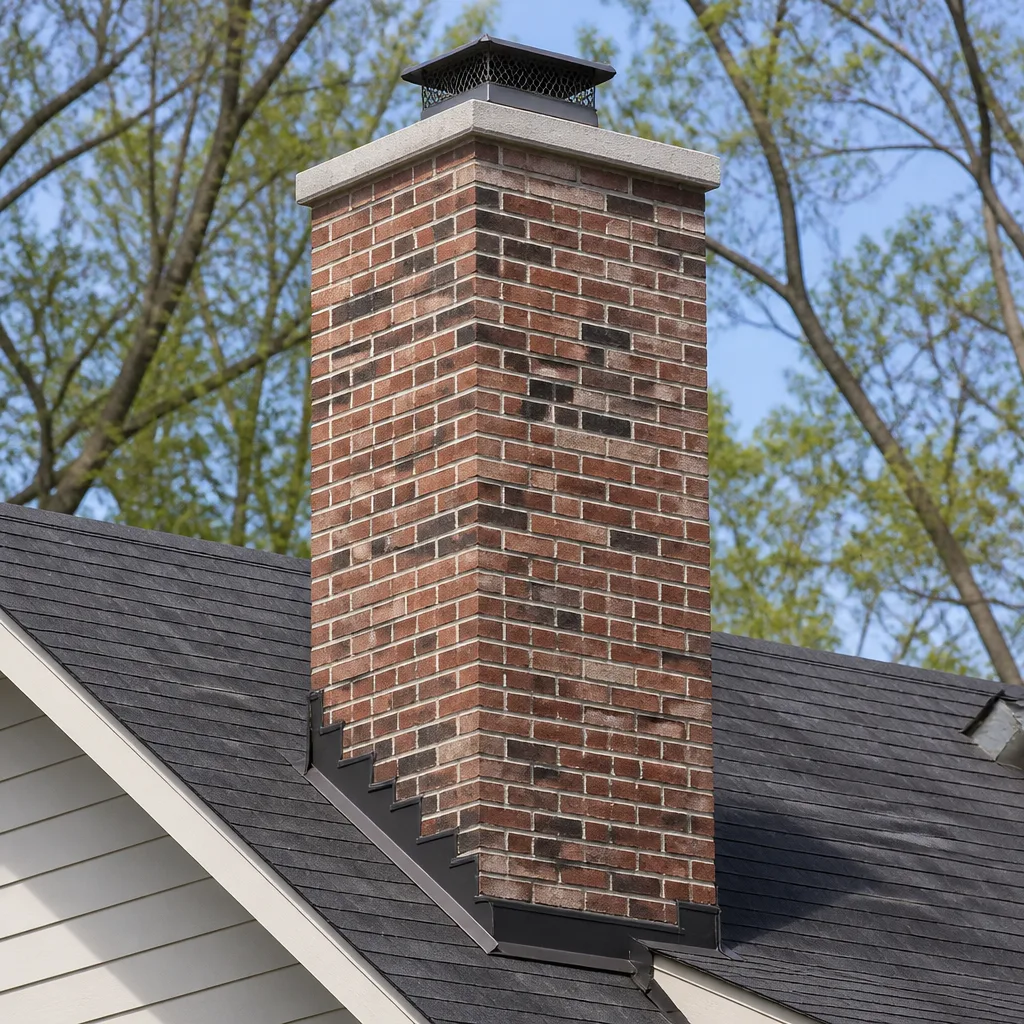
We treat the chimney as a system from the firebox to the cap. That’s the reason a quote should too. If you want a sense of how a sweep fits into the bigger picture of chimney health, our Chimney Sweep Inwood page walks through the full service menu.
The four service tiers hiding behind the word “sweep”
Most homeowners assume “chimney sweep” is one service. In practice, we see four distinct tiers, and knowing which one a contractor is quoting is the difference between a fair price and a bait-and-switch.
Tier 1: The visual sweep
A technician brushes the flue and does a walk-around visual check from the firebox and from the roof. No video, no written report, minimal documentation. This is the tier that gets marketed at the lowest price, and for a clean, well-maintained chimney in a newer home it may be all you need.
Tier 2: The full-service sweep
This is the standard a responsible contractor should be quoting. It includes:
- A thorough brushing of the flue from the roof or the firebox.
- Industrial vacuum containment at the firebox so no soot enters the living space.
- A Level 1 inspection covering the firebox, damper, smoke chamber, flue, and cap.
- A written report with photos documenting what was found.
Tier 3: The sweep plus Level 2 video inspection
When a home has had a chimney fire, a liner change, a new appliance, or a sale is in progress, a Level 2 inspection with a camera is the right call. This is a separate service category with its own price, not a checkbox on a sweep quote.
Tier 4: Stage 3 creosote removal
Glazed creosote that has hardened onto the flue walls cannot be brushed off. It requires chemical treatment or mechanical removal, often over more than one visit. This is the tier that gets misquoted constantly, and we’ll cover why below. For a broader look at what a chimney sweep should include in a properly scoped job, that page covers the standard walkthrough.
Line-item breakdown of a full-service Inwood sweep
Here’s what a legitimate full-service sweep quote should break down into, and roughly what each component costs on a typical Inwood home. Ranges reflect the local market and the usual variables of height, access, and flue condition.
- Labor (technician time): $90 to $180. A one-flue sweep takes about 60 to 90 minutes; more than one flue or a steep roof adds time.
- Level 1 inspection: $40 to $75, usually bundled into the sweep price rather than listed separately. Ask whether it’s included.
- Industrial vacuum equipment: $20 to $40, sometimes wrapped into the labor line. The point is containment, so no soot film settles on your furniture.
- Written report and photos: $15 to $35. This is what you show your insurance company if there’s ever a claim; insist on it.
- Standard creosote brushing: included in labor for stages 1 and 2 creosote, quoted separately for stage 3 (see the next section).
Add-ons priced on top of the sweep:
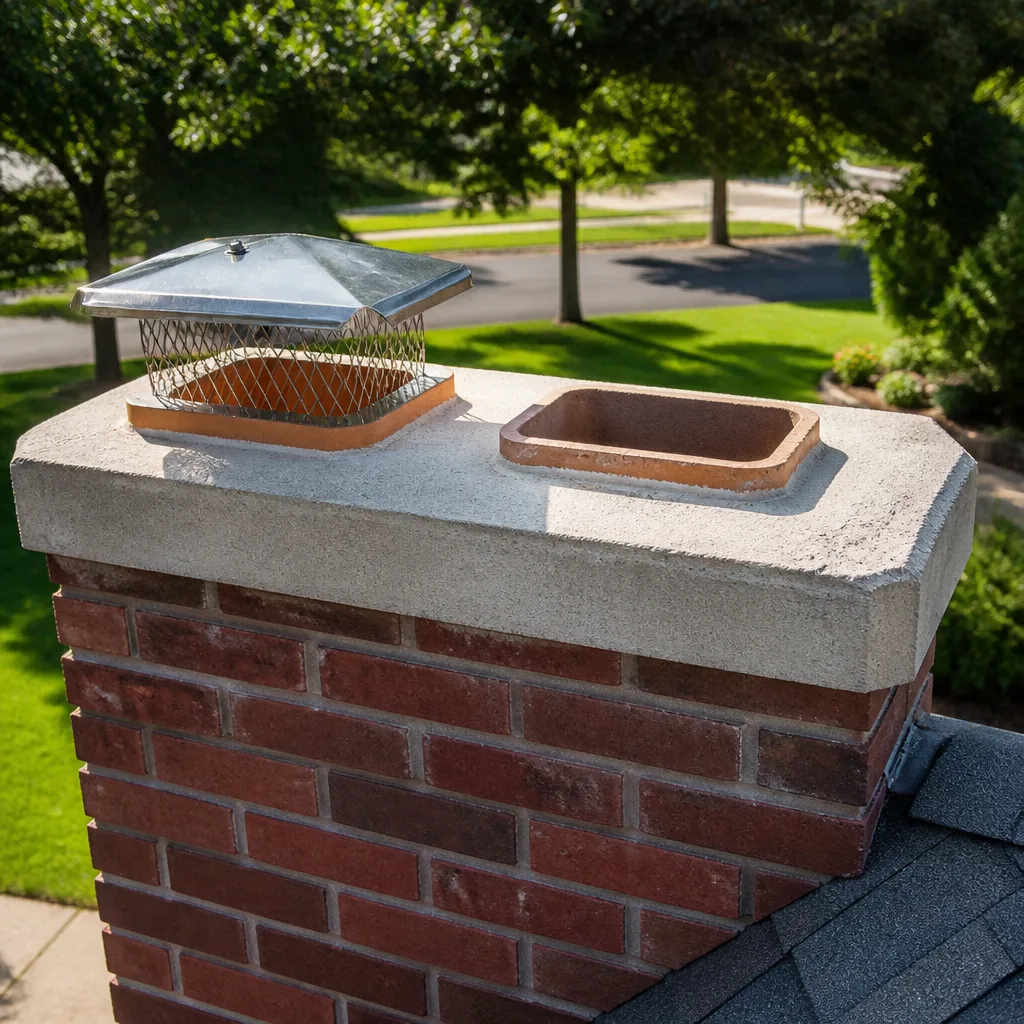
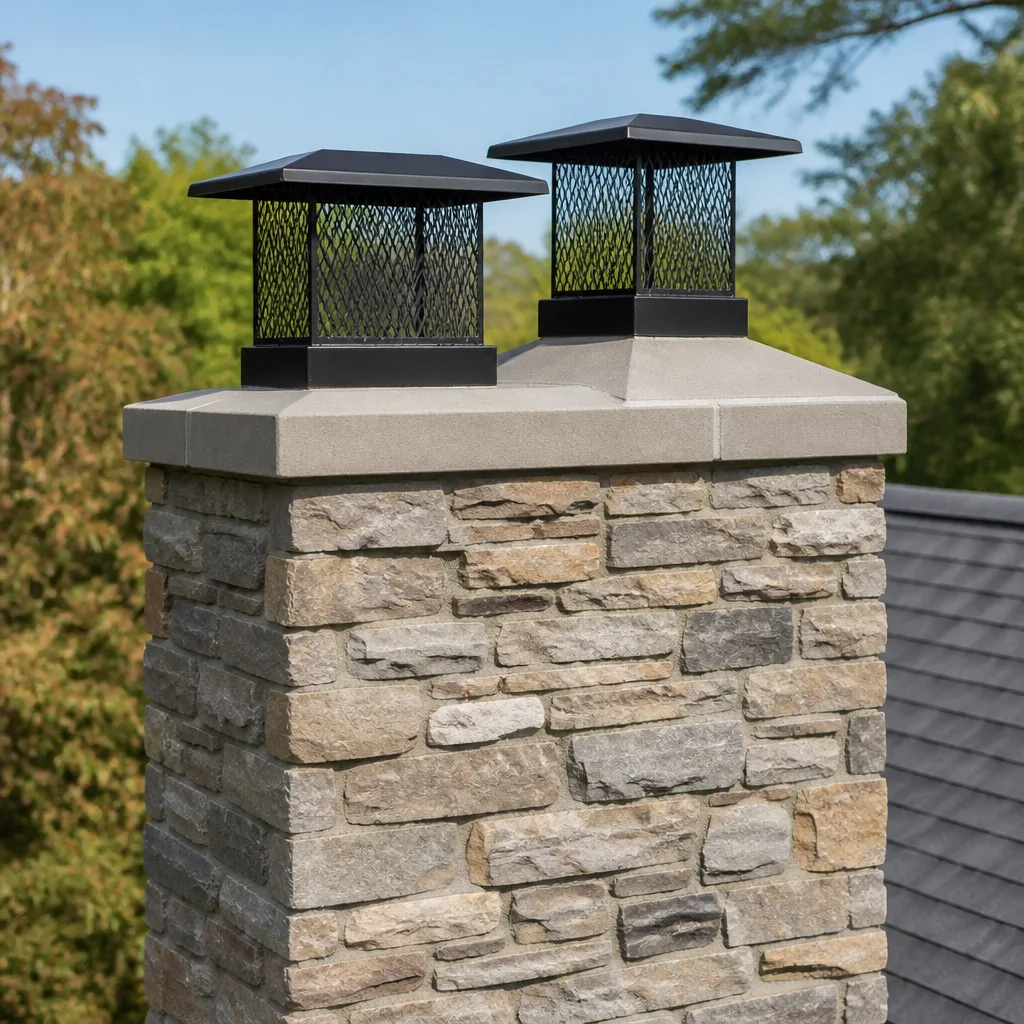
- Cap installation: $150 to $400 depending on material and fit. A chimney cap keeps rain, birds, and debris out and should be standard on any Inwood chimney.
- Crown repair or rebuild: $250 to $800. The crown is the concrete top of the chimney and the first line of defense against water.
- Damper repair or replacement: $180 to $500.
- Video inspection (Level 2): $150 to $350, quoted separately.
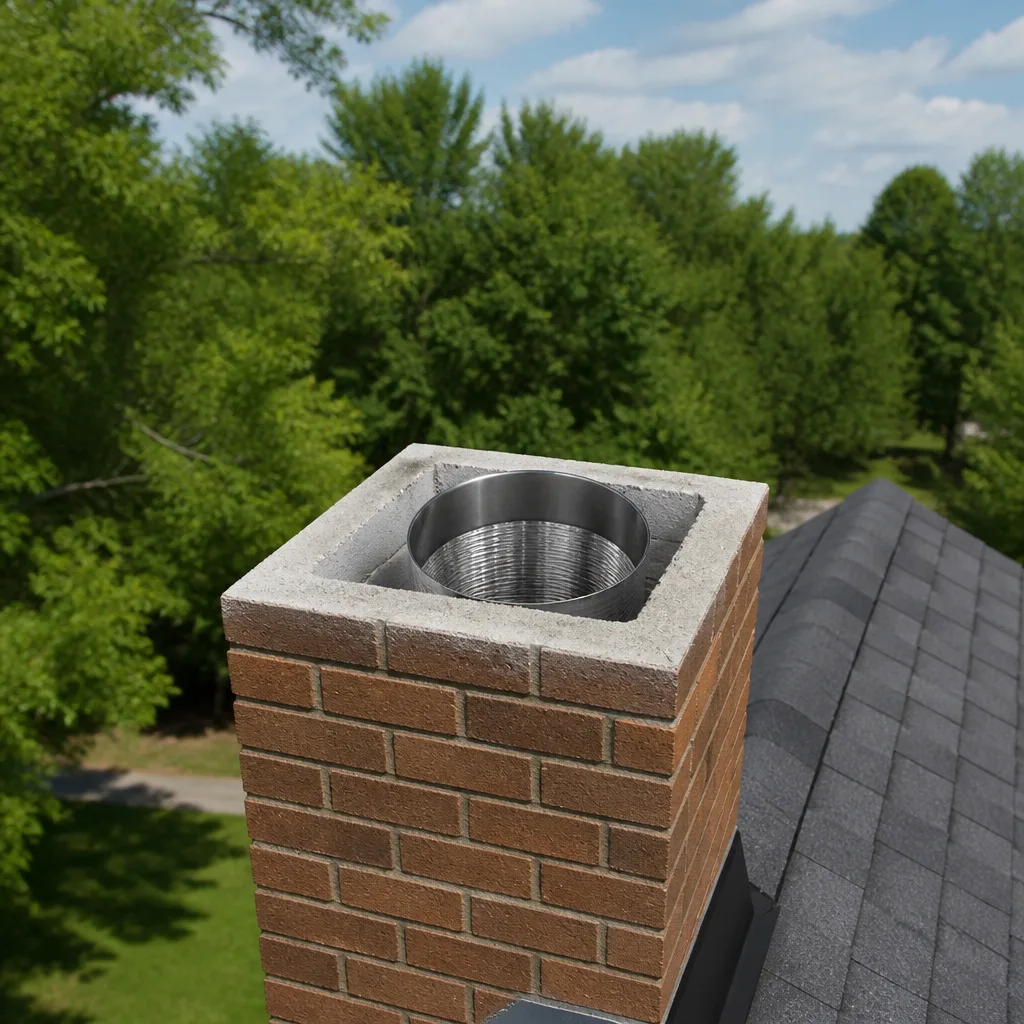
- Liner resurfacing (HeatShield): quoted per linear foot after a video scan, since the cost depends on how much of the flue needs resurfacing.
We use professional-grade materials on this work because the components need to last as long as the chimney does. HeatShield, DuraFlex, and Copperfield are the names we work with on liner and repair jobs, and they’re the same materials chimney professionals use across the country. If a cap or crown is part of your quote, our chimney cap & crown page shows what a properly fitted system looks like.
How creosote stage changes the price
Creosote is the residue that forms on the inside of a flue when wood burns, and it comes in three stages that behave very differently. Stage 3 removal is not a sweep upgrade; it’s a separate repair-tier service with its own scope and cost, and any contractor who folds it into a standard cleaning quote is either misreading the flue or selling you work you don’t need.
Stage 1: Soot and light flaky creosote
A standard brush takes this off. Included in the sweep. No extra cost.
Stage 2: Hardened, crusty creosote
Brushing handles most of it. A technician may need to use a stiff poly brush or a rotary tool, and the labor time goes up. Usually still within the standard sweep range, but budgets can stretch toward the top of it.
Stage 3: Glazed, hardened creosote
This is the dangerous stage. Glazed creosote is a fuel source and a chimney fire risk. It cannot be brushed away. It requires chemical treatment (a compound that breaks the glaze down over days), then mechanical removal, often over more than one visit. Typical cost for stage 3 removal in the Inwood market runs separate from the sweep and is quoted per flue after inspection. Do not accept a “$99 sweep” quote that also promises to “clean up to stage 3” – that’s not how stage 3 works.
The stage is determined by inspection, not by the price tag. A technician who tells you which stage you’re at from a photo taken at the top of the flue is guessing. Ask for the video documentation or a written note on the report. If you’re not sure what stage you’re looking at, that’s a good reason to ask for a full inspection on the next visit.
What makes Inwood and Nassau County pricing different
Chimney cleaning cost in Inwood tracks closely to the wider Nassau County market, but a few local factors push the price around more than people expect. The first is housing age and chimney configuration. A significant share of homes here have chimneys built before modern liner standards, which means the technician often has to inspect a clay tile liner with mortar joints that have opened up over the decades. That configuration changes the brush type and the inspection time.
The second factor is roof and access. Inwood homes vary widely in roof pitch and chimney placement, and a chimney that requires a ladder set on a steep pitch, or a chimney that’s surrounded by a tight roof valley, takes longer to service safely than a chimney with an easy walk-on roof. Labor time is the largest variable in the line items above, and access is what drives labor time.
The third is liner type. A masonry flue that’s been relined with a stainless system cleans differently from a bare clay tile flue. Stainless liners usually take a softer brush to avoid scratching the metal, and the technician has to confirm the liner was installed to specification before cleaning. If your home was relined at some point and you don’t have documentation, that’s worth flagging before the sweep. DuraFlex flexible liner systems are what we use for retrofits and repairs, because they fit the older and non-standard flue configurations that rigid liners can’t handle in this market.
The fourth is season demand. Fall is when most Inwood homeowners book, and prices reflect that. A spring booking on a chimney you intend to use next winter is the same job at a quieter time on the calendar. There’s no reason to wait until the first cold snap.
What you should not see is a price difference for the same scope between two contractors of more than $100. If you’re seeing that, one of them is quoting a different scope, and the section below explains how to catch it.
Repair early versus after another season of use
The gap between a repair caught early and a repair caught late is often the difference between a reseal and a rebuild, and it’s the single biggest cost driver on the repair side of chimney work. This is what we mean in practice.
Scenario 1: A cracked flue tile caught at a sweep
A Level 1 inspection reveals a single hairline crack in a clay tile near the top of the flue. Left alone, that crack lets moisture and combustion gases into the surrounding masonry and the crack spreads. Caught early, the repair can often be done as part of the same visit with a HeatShield resurfacing of the flue. Left a season or two, the tile delaminates, the surrounding mortar erodes, and the fix moves to a full reline, which is a materially larger job. Same chimney, different tier of work.
Scenario 2: A crown with a hairline crack
The crown is the concrete cap at the top of the chimney. A small crack after a freeze-thaw cycle lets water in, and water is the most common cause of chimney deterioration in this climate. A crown reseal or small repair caught early stays in the lower half of the crown cost range. Let it go and the water reaches the masonry below the crown, freezes, and starts to spall the brick. Now you’re looking at structural chimney repair rather than crown work.
Scenario 3: A cap that’s missing or damaged
A missing cap means rain, snow, and wildlife have direct access to the flue. A cap is one of the least expensive items on the list and one of the highest-value, because it prevents the water intrusion that drives every other repair category. If your inspection report lists the cap as missing, treat that as the first thing to fix, not the last.
Across all three, the pattern is the same: the earlier the issue is found, the lower the cost of fixing it. That’s why we don’t recommend deferring a sweep until something goes wrong. The point of the sweep is to catch the cheap repair before it becomes the expensive one.
How to read a quote and verify scope
Two quotes at different prices are only comparable if they cover the same work. Here’s a numbered way to read a chimney cleaning quote in Inwood so you’re comparing like with like.
- Check the inspection level. Does the quote say “Level 1” or “Level 2”? If it says “inspection included” without naming a level, ask which one and whether a written report comes with it.
- Confirm the vacuum. Industrial vacuum containment should be stated. A sweep without containment leaves soot film on the furniture, and that’s not a cleanup you want to do yourself.
- Ask about the report. A written report with photos is standard for a full-service sweep. If the quote is silent on it, ask for it in writing.
- Look for the creosote tier. Does the quote say what stage creosote was found, or does it say “standard sweep” with no condition note? If it’s silent, ask what happens if they find stage 3.
- Separate add-ons from the sweep. Cap, crown, damper, and liner work should be their own line items, priced after inspection. If they’re bundled into a single lump sum with no breakdown, that’s a red flag.
- Ask who does the repair. If the sweep contractor hands you off to a separate company for a cap or liner repair, you’ll pay twice for the same visit. Ask whether the same specialist team handles the sweep, inspection, cap, and repair.
- Get the final number in writing. The estimate locks in the price for the scope described. If the technician finds additional work on site, that should be a new written estimate before any of it is performed.
What we watch for on the other side of the equation is the vague quote. A line item that says “chimney service, $250” tells you nothing about what’s included. It’s fine to call and ask for the scope in writing before booking; any contractor worth working with will send it without a fuss.
Common Mistakes to Avoid
- Comparing a $99 sweep to a $350 sweep as if they’re the same service. They usually aren’t. One is a visual brush; the other includes a Level 1 inspection, vacuum containment, and a written report. Ask what’s bundled before you compare the number.
- Assuming stage 3 creosote is a sweep upgrade. It’s a separate removal service with its own scope, and it’s priced separately. A sweep quote that promises to “handle any creosote” without a condition check is guessing.
- Accepting a cap or crown quote without seeing the fit. A cap that doesn’t fit the flue properly is worse than no cap, and a crown that’s patched rather than rebuilt can fail the next freeze-thaw. Ask for a photo of the condition before work starts.
- Skipping the sweep because the chimney “works fine.” Chimneys don’t fail loudly. They fail with a crack you can’t see, or a build-up you can’t smell, until the day they don’t. The sweep is how you find the problem while it’s still a cheap fix.
- Booking a chimney sweep who also does HVAC, roofing, and general contracting. A generalist who sweeps occasionally isn’t the same as a technician who does it every day. Ask how often the technician works on chimneys specifically.
- Waiting until fall to book. Fall is the busiest booking window in Inwood, and a chimney that’s cleaned in spring is ready before the first cold snap. Waiting means a longer queue and less flexibility on the calendar.
- Taking “not urgent” as “never.” Not every finding needs immediate work, and we’ll tell you when a repair can safely wait. What you should never do is defer a safety-related finding, like a cracked flue tile or missing cap, because the cost of a later fix is always larger.
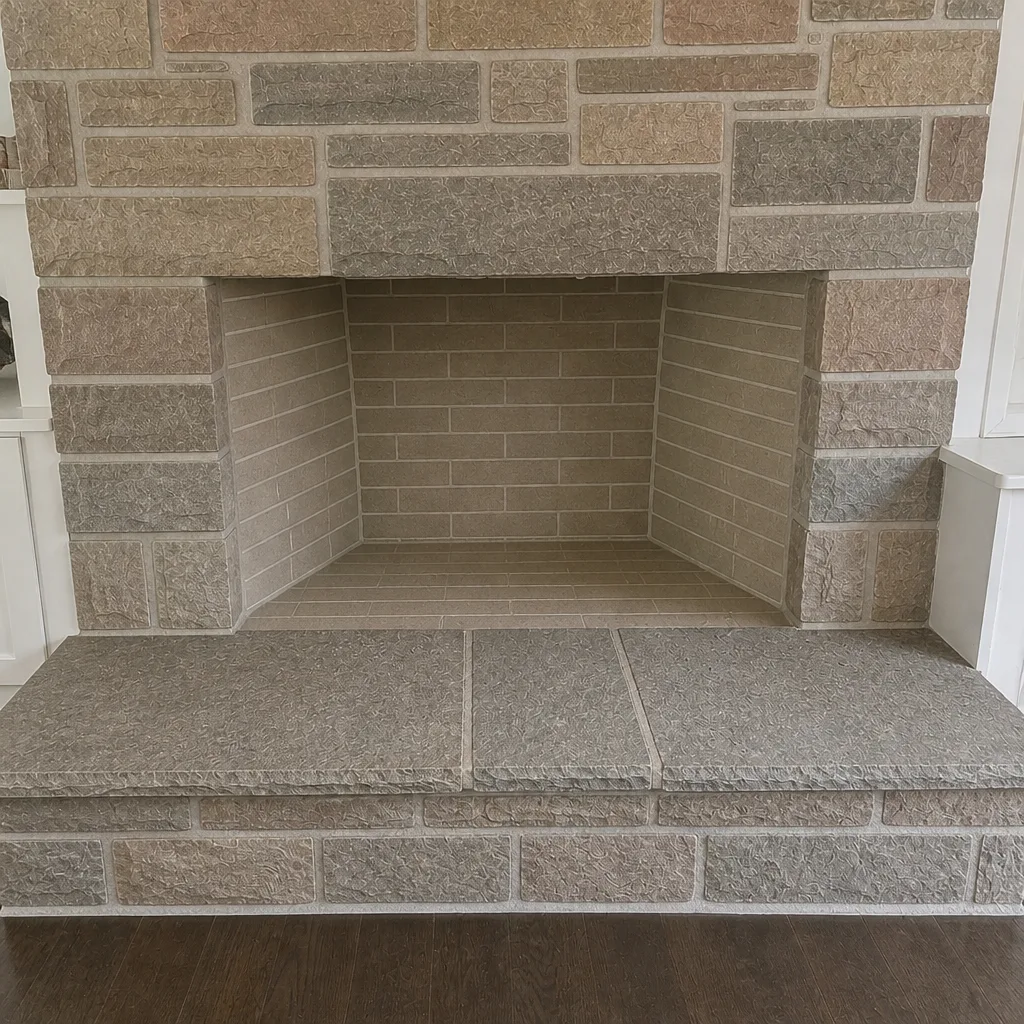
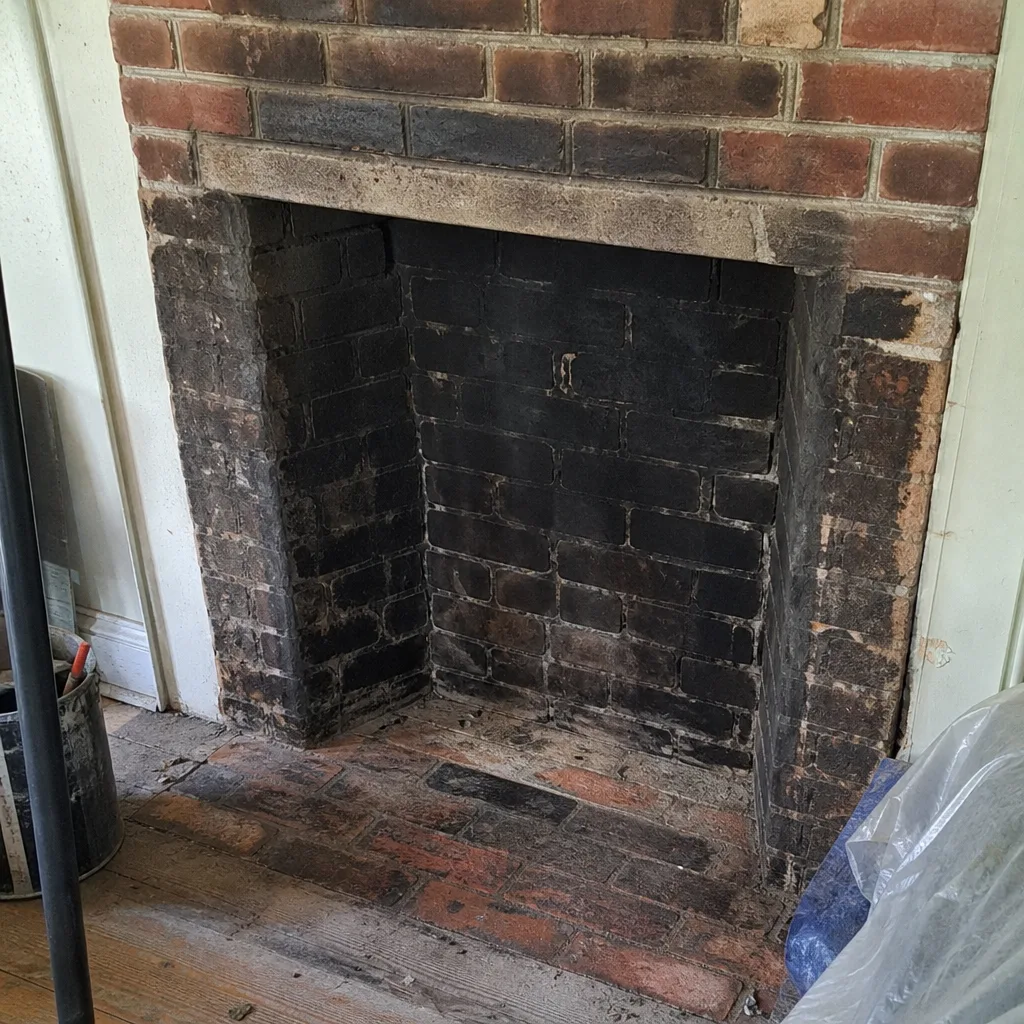
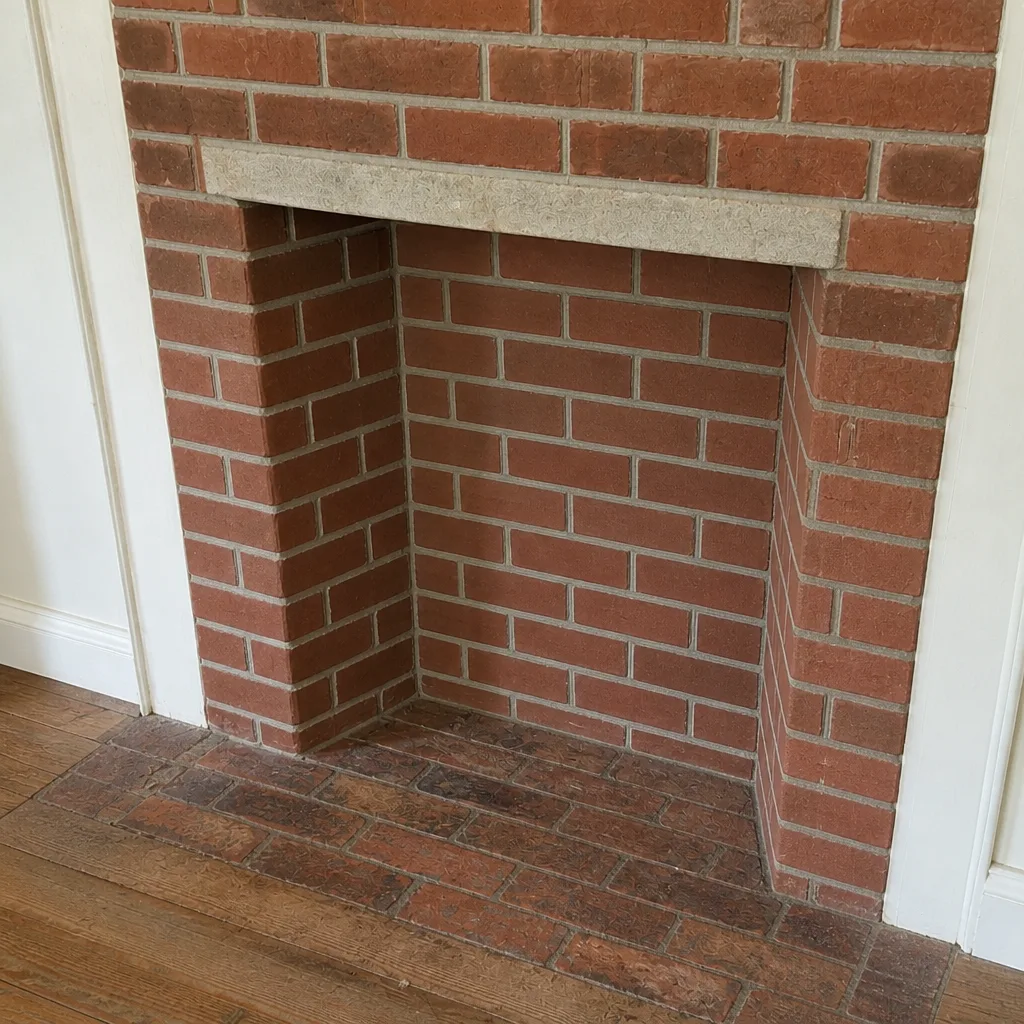
See the difference
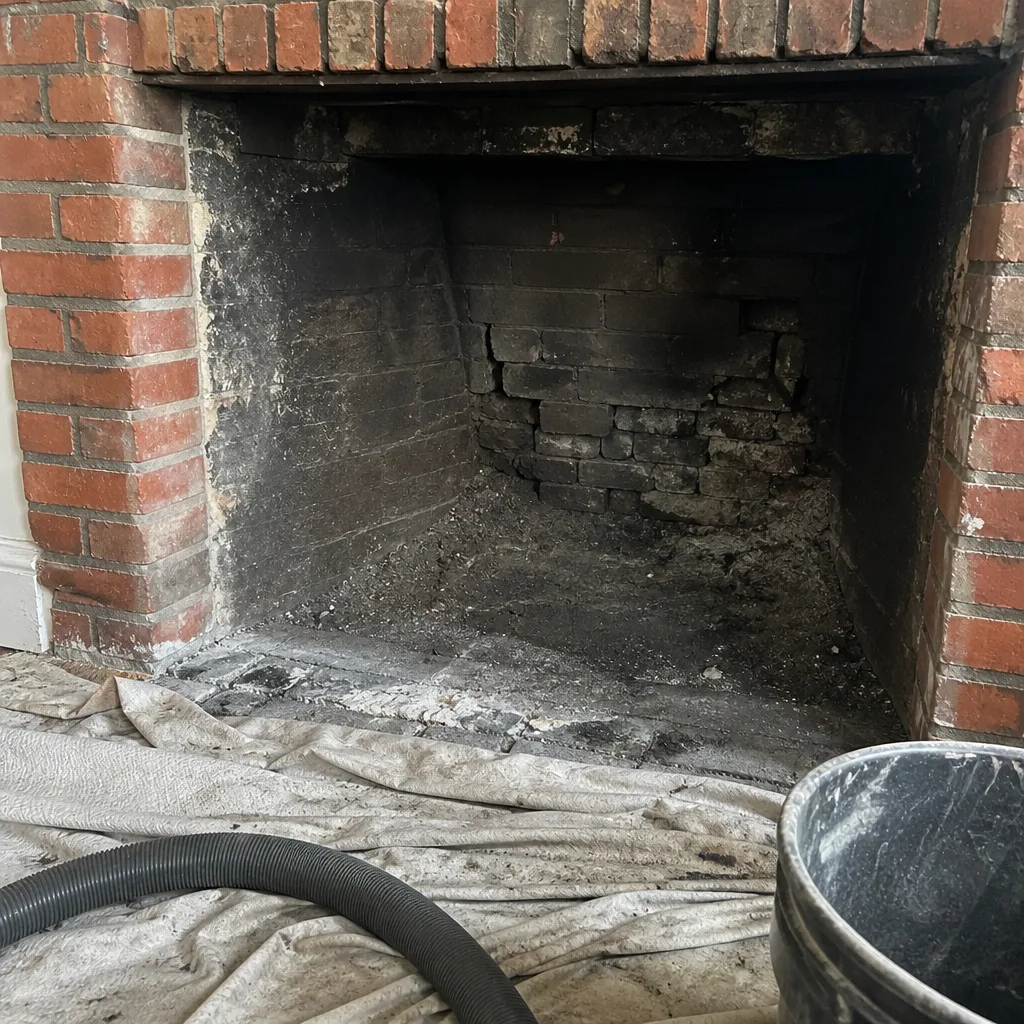 Before
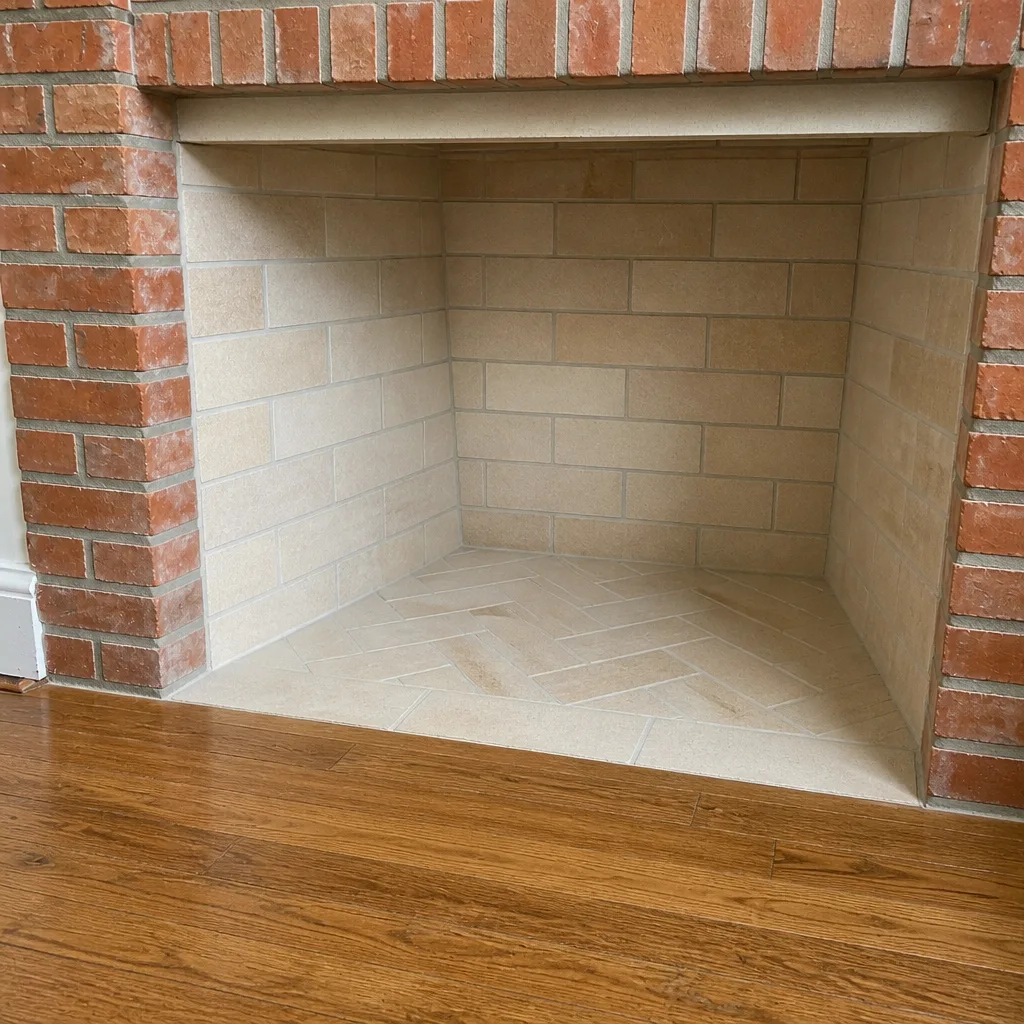 After
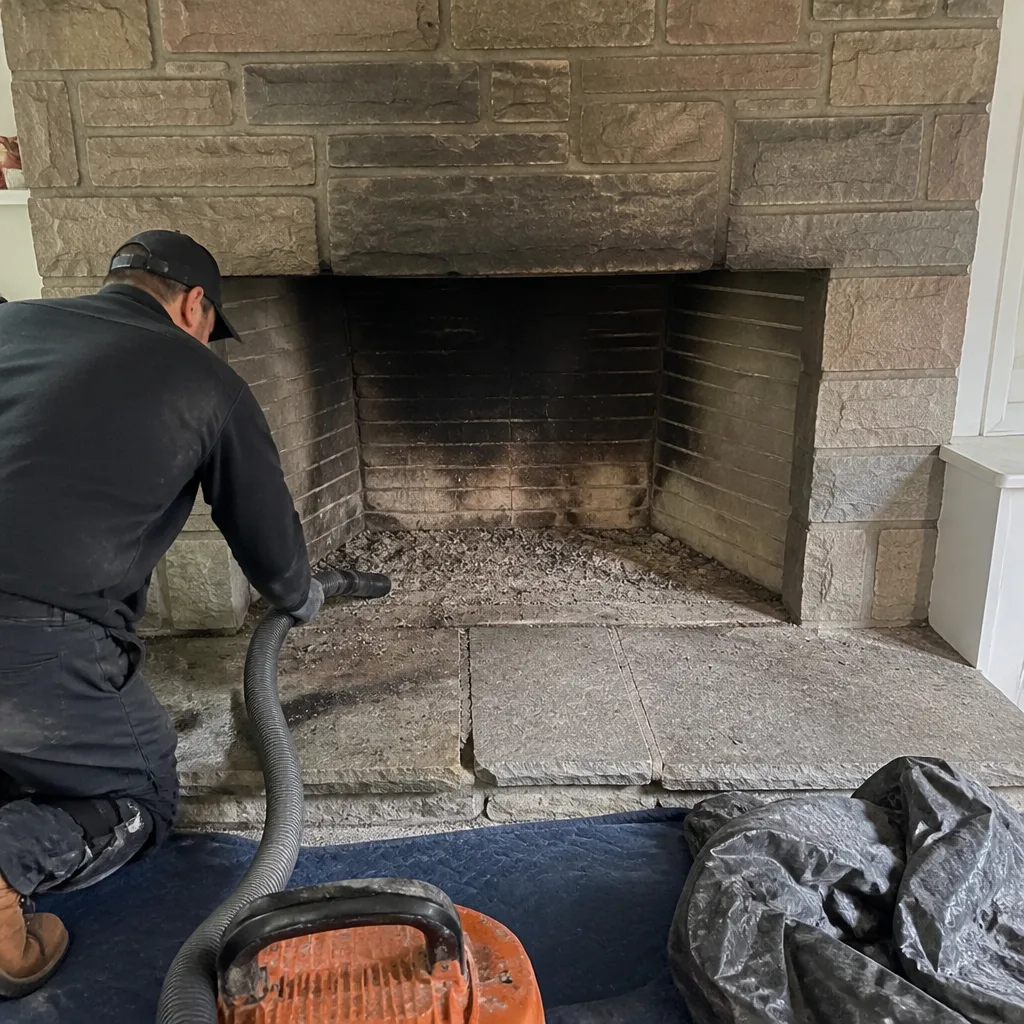 Before
 After
 Before
 After
When to Call a Professional
Call for a sweep when your wood-burning fireplace or insert has gone a full season of use since the last cleaning, and call immediately if you notice any of the following: a strong smoky smell inside the house when the fireplace is not in use (a sign of a blocked or deteriorating flue), visible soot streaking above the firebox, a missing or damaged chimney cap, or a chimney that hasn’t been inspected since a chimney fire. Any of these warrants a professional look before the next fire. Chimney Sweep Inwood offers free estimates in Inwood, and because the sweep, inspection, cap, crown, and repair all sit with the same specialist team, most findings can be addressed in the same visit. Call (844) 625-7414 to book. We answer 24/7. Fast dispatch from 7am to 7pm, Sunday through Friday.
Our technicians have up to 9 years of experience, and they work on chimneys daily. That matters most when the flue is unusual, because the assessment part of the job is where a trained eye pays off.
Frequently Asked Questions
A full-service chimney sweep in Inwood typically costs $180 to $350, and that range covers the brush cleaning, a Level 1 inspection, industrial vacuum containment, and a written report. Add-ons like a Level 2 video inspection, cap or crown work, and liner repairs are quoted separately. The written estimate you receive before booking sets the final price. Call (844) 625-7414 for a free estimate.
The word “sweep” covers four different scopes of work, so a $99 quote and a $350 quote are usually not for the same service. The low quote is often a visual brush with no inspection level or report stated; the higher one includes a Level 1 inspection, containment, and documentation. Your job is to compare the scope in writing, not the headline price. Call (844) 625-7414 and we’ll send a written scope with your estimate.
Yes, stage 3 removal is a separate service with its own price, not a sweep upgrade. Glazed, hardened creosote can’t be brushed off and needs chemical treatment and mechanical removal, sometimes over more than one visit. The cost is quoted per flue after inspection because it depends on how much of the flue is affected. Call (844) 625-7414 for a free estimate on stage 3 removal.
That depends entirely on the condition of the flue, and the right answer only comes from a camera inspection you can see the results of. The HeatShield resurfacing system can extend the life of aging masonry flues without a full liner replacement, and it’s the option we reach for first when the flue is still structurally sound. When the flue is too far gone for resurfacing, a DuraFlex flexible liner is the retrofit we use in older homes where rigid systems won’t fit. Call (844) 625-7414 to book an inspection and get a written recommendation.
Some can, and we’ll tell you plainly when it can. Cosmetic findings, a crown that’s worn but not cracked, or a flue that needs resurfacing but isn’t letting moisture in can often be scheduled for a quieter time. What shouldn’t wait: a cracked flue tile, a missing chimney cap, or anything that lets water or combustion gases into the structure. Call (844) 625-7414 and we’ll tell you which category you’re in.
For a wood-burning fireplace used regularly through the heating season, a sweep once per season is the standard. For lighter use, or for a gas fireplace, the interval is longer but an annual inspection is still the right habit, because inspection catches liner and cap problems before they become repair work. If you’ve had a chimney fire, a liner change, or you’re buying or selling the home, book a Level 2 video inspection instead. Call (844) 625-7414 to schedule.
The Bottom Line
The price of chimney cleaning in Inwood is driven by scope, not by the number in the ad. A full-service sweep with a Level 1 inspection, vacuum containment, and a written report runs $180 to $350 and compares cleanly to another quote of the same scope. Stage 3 creosote removal, video inspections, caps, crowns, and liner work are separate line items, priced after the technician sees the flue. The cheapest insurance you have is catching a small repair at the sweep, before it becomes a rebuild. If you want a written estimate that itemizes every part of the job, call Chimney Sweep Inwood at (844) 625-7414 for a free estimate. We answer 24/7. Fast dispatch from 7am to 7pm, Sunday through Friday. From the firebox to the cap, we handle it.
Written by the team at Chimney Sweep Inwood.