
Last updated November 25, 2026
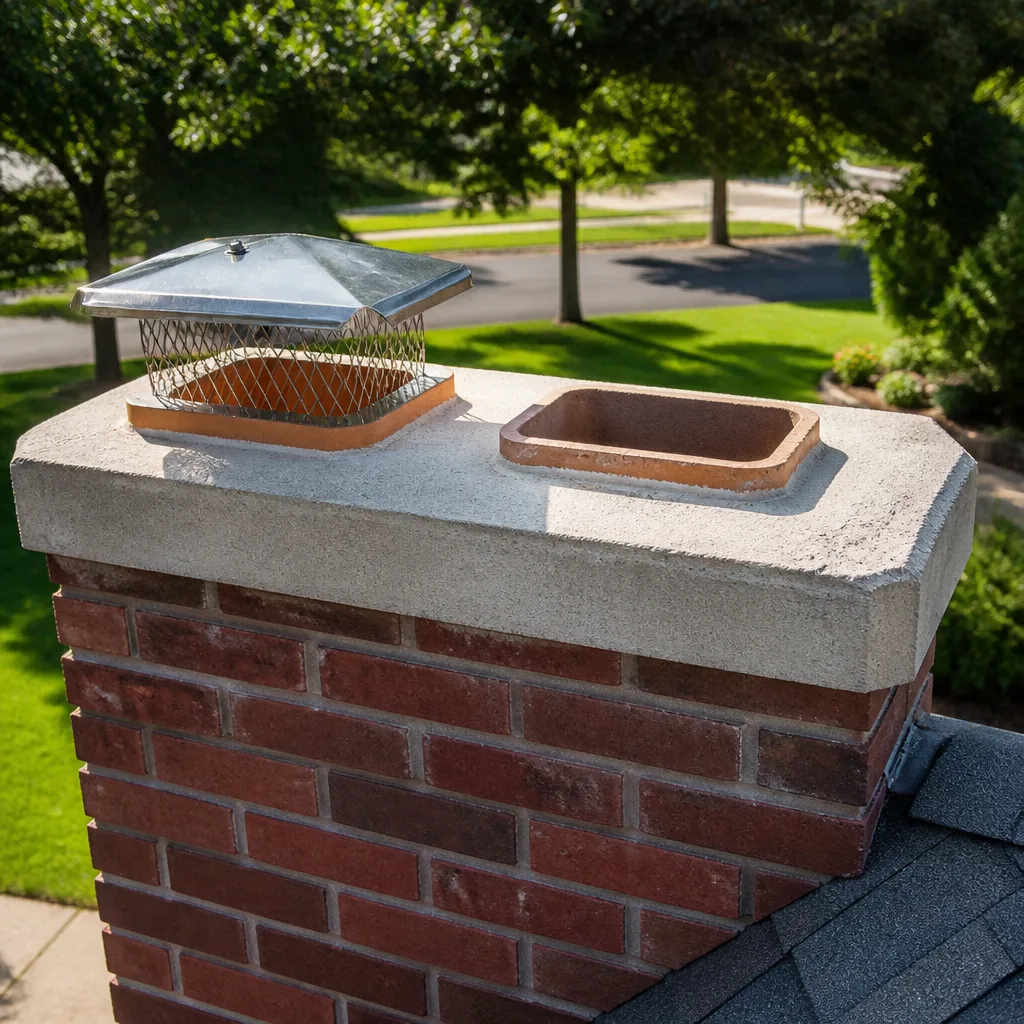 Sweep & inspection
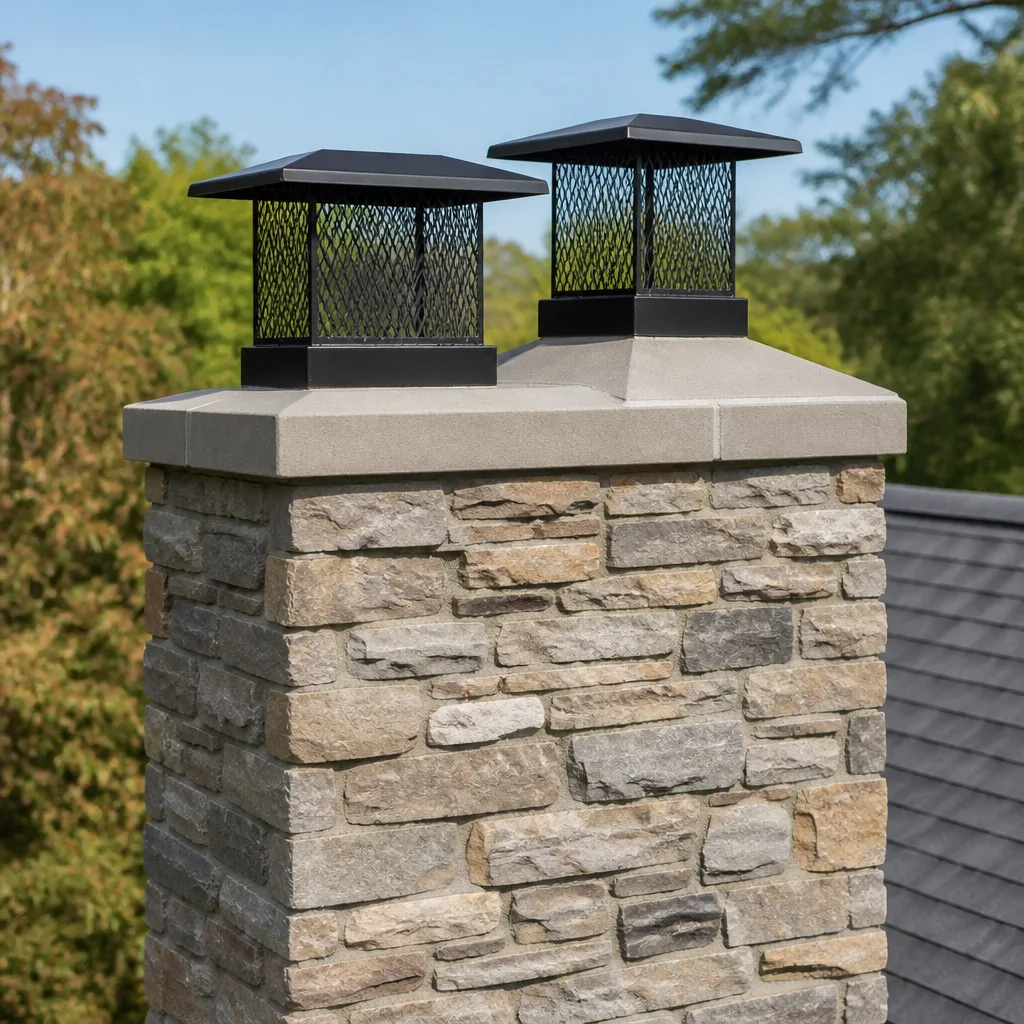 Caps & crowns
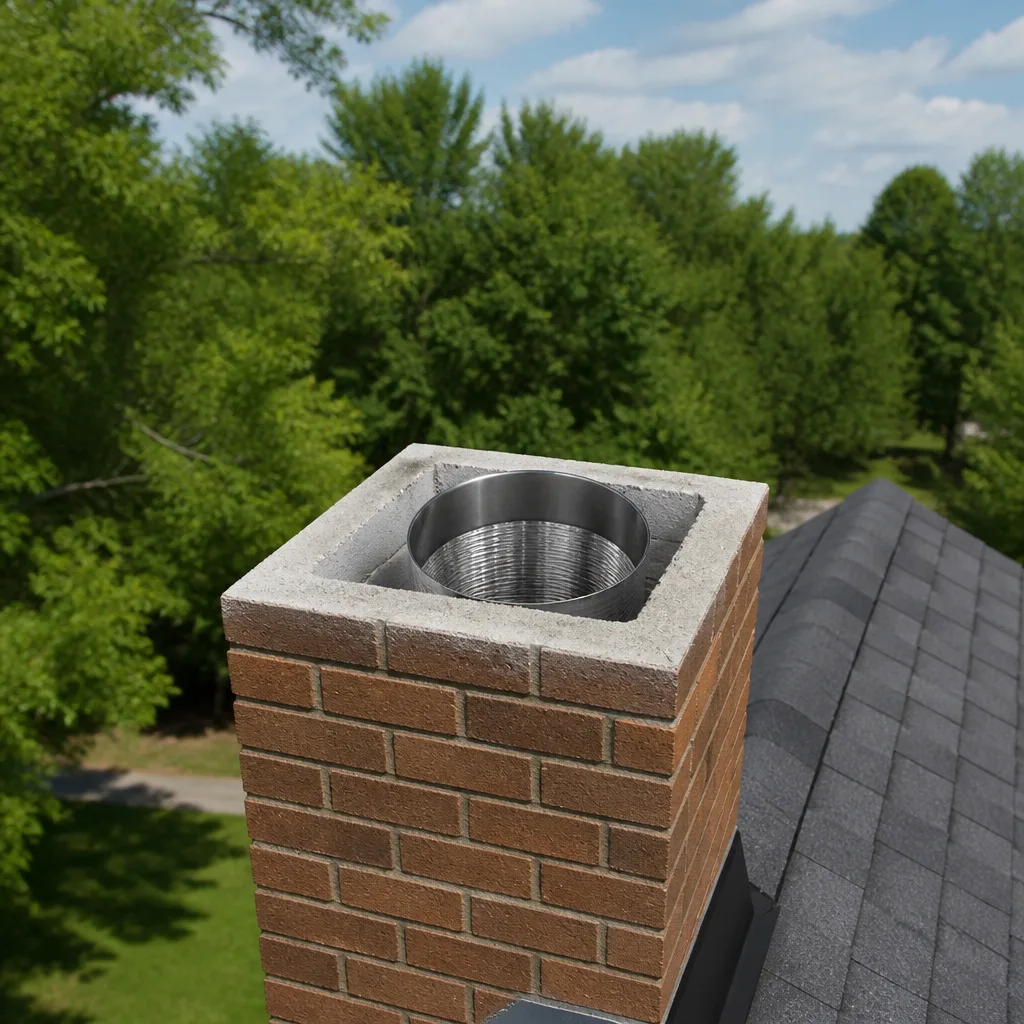 Flue relining
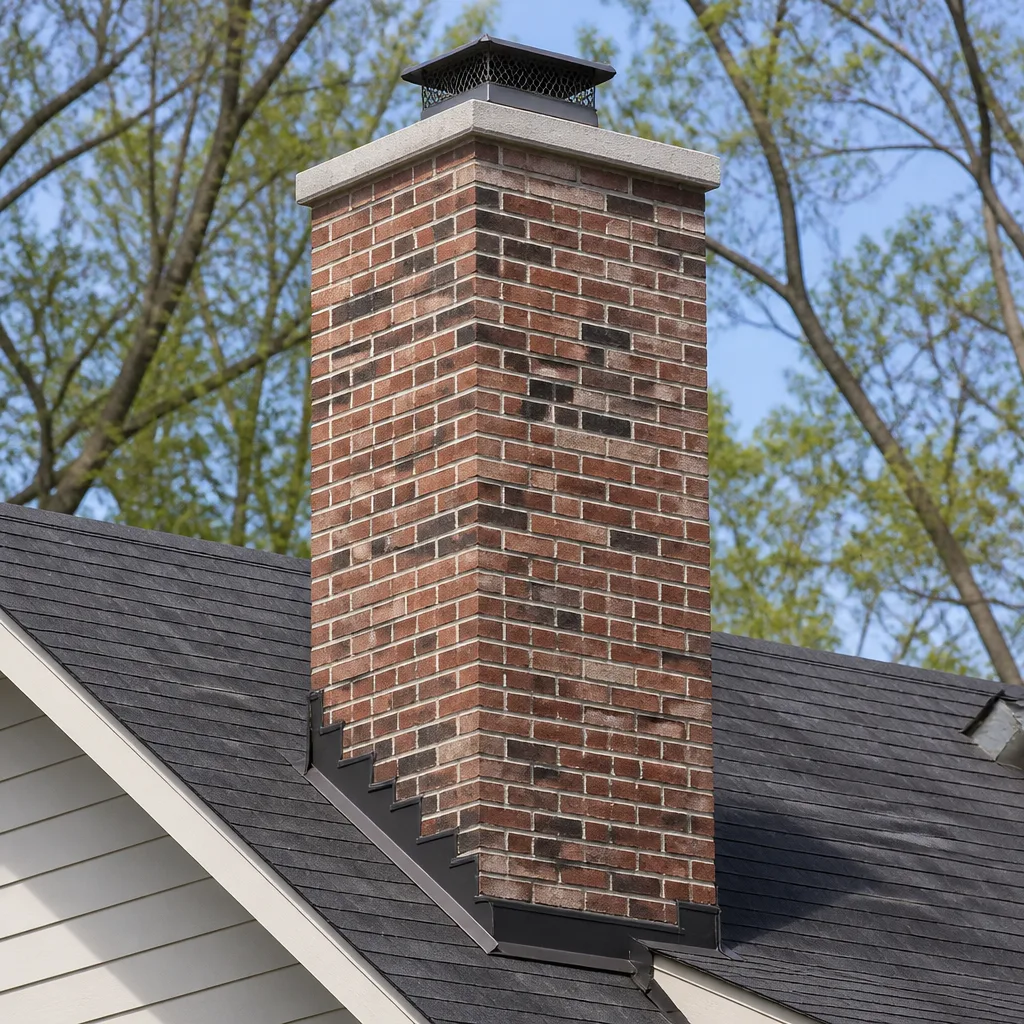 Masonry repair
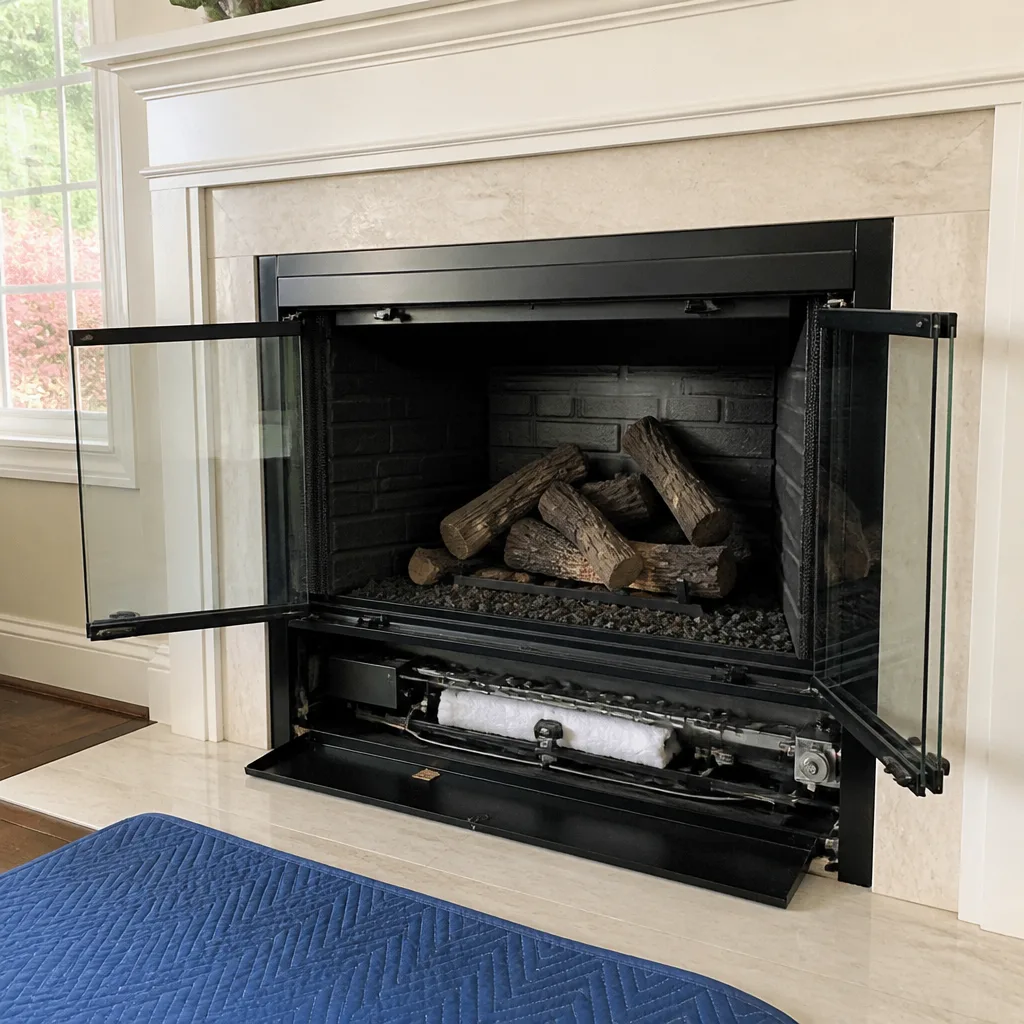 Gas fireplace service
Level 1 sweep and inspection to the NFPA 211 annual standard - flue, crown, cap, and flashing checked and photographed
Chimney sweep logs do not sweep chimneys. They loosen some creosote - which then falls where a brush and vacuum still have to collect it.
Chimney Cleaning Warning Signs: An Inwood Homeowner’s Reference Guide
Chimney fires don’t always roar. The CSIA estimates that the majority of chimney fires are slow burns, quiet events that damage the liner over time while the homeowner never knows one occurred. The only evidence may be a specific kind of flaking debris in the firebox, or a faint change in how the chimney smells when the heat comes on. The dramatic signs most people watch for, like smoke rolling into the room, are actually late-stage signals. This guide is about the earlier ones. We’ll walk through what to look for, what each sign means, and how Inwood homeowners can read their own chimney before a small problem turns into a hazard.
Quick Answer
The earliest warning signs of a dirty or damaged chimney are subtle: glossy or puffy creosote at the top of the firebox, white powdery staining on exterior brick, a faint musty or smoky smell when the fireplace isn’t in use, and honeycomb-textured debris around the firebox base. Any one of these means the chimney should be inspected by a professional before the next fire. Smoke in the room or a strong chemical smell are late-stage signs, and at that point the chimney should not be used at all until it’s been checked.
Styles & brands we work with
- Sweep & inspection
- Caps & crowns
- Flue relining
- Masonry repair
- Gas fireplace service
Table of Contents
- Stage 1, Stage 2, and Stage 3 Creosote: What Each One Tells You
- What Honeycomb or Puffy Debris at the Firebox Base Means
- Exterior Warning Signs You Can See Without a Ladder
- Why a White Haze on the Firebox Back Wall Means Moisture
- The Smell Test: Reading Scent Before a Problem Gets Serious
- How the Inwood Climate Shapes When Problems Appear
- What a Professional Inspection Actually Finds
- How Often Should You Really Have the Chimney Swept?
Stage 1, Stage 2, and Stage 3 Creosote: What Each One Tells You
Creosote is the byproduct of wood combustion, and it builds up in every wood-burning chimney. The key thing to understand is that it doesn’t build up evenly. It changes character as it thickens, going through three distinct stages. Knowing which stage your chimney is in tells you how quickly it needs attention.
Stage 1 creosote is light soot and flaky dust. It looks like a thin gray layer on the flue walls and wipes off easily. This stage is normal after a season of burning and is what a routine sweep removes. It’s not dangerous in itself, but it’s the raw material that the next stages build from.
Stage 2 creosote is the critical one. It looks like shiny black flakes, hardened and somewhat crusty, or in some cases a dense, tarry glaze on the flue walls. This stage is where fire risk becomes real: stage 2 creosote catches easily and burns hot. When we see a chimney at this level in Inwood, we know the sweep is overdue, not just routine. Stage 2 doesn’t come off with a brush alone in all cases. A rotary sweep may be needed to properly remove it.
Stage 3 creosote is the worst. It looks like a hard, glazed shell, puffy or crunchy, and it can be several millimeters thick. Stage 3 creosote is highly combustible and a single hot fire can ignite it. A chimney at this stage needs specialized removal, often with chemical treatments followed by a rotary sweep. It’s also the stage most likely to be paired with liner damage from a slow-burn event.
If you’re in Inwood and you’ve burned wood for several seasons without a sweep, you’re most likely somewhere between stage 2 and stage 3. A chimney sweep is how you find out exactly where you stand.
What Honeycomb or Puffy Debris at the Firebox Base Means
This is the sign most homeowners never connect to their chimney. Honeycomb-patterned or puffy, crunchy debris at the base of the firebox, on the smoke shelf, or in the flue collar is often the only physical evidence left behind by a slow-burn chimney fire. It’s not ash. It’s not soot. It’s creosote that has been baked and expanded by intense heat, then flaked off.
Here’s why that matters. A slow-burn fire doesn’t necessarily make noise, doesn’t necessarily throw flames, and doesn’t necessarily send smoke into the room. It burns hot enough to damage the liner over time but not hot enough to alert the homeowner. The CSIA estimates the majority of chimney fires fall into this category. That expanded creosote debris is the fingerprint they leave behind.
What to look for:
- Honeycomb pattern: small, textured, bubble-like debris that looks like it was once liquid and then hardened into a slightly porous shape
- Puffy flakes: larger, lighter debris with a crunchy or popped appearance, sometimes black, sometimes gray-brown
- Glazed shards: thin, hard, glassy fragments, usually sign of stage 3 creosote, often a sign of more severe heat exposure
- Soot piled higher than expected: more soot than a season of burning would normally produce, which can indicate the previous fire pushed material up and out
If you find any of this in your Inwood firebox, don’t burn again until the chimney has been inspected. A camera inspection will show whether the liner alloy or clay tiles have cracked. The local professional we connect you with will show you the photos before recommending anything.
Exterior Warning Signs You Can See Without a Ladder
You don’t have to climb onto the roof to read your chimney. Much of what the exterior tells you is visible from the ground. These are the four exterior signs worth understanding, and what each one usually maps to.
- Staining on the brick. Dark, vertical staining on the upper chimney usually comes from water running down the masonry or from excessive smoke. If the staining is below the roofline and looks like a concentrated dark patch, the flashing at the roof connection is a common cause.
- Efflorescence (white powder). The white, chalky, sometimes crystalline powder on the chimney’s exterior is salts pushed to the surface by moisture moving through the brick. It’s not a chimney fire sign and it’s not soot. It’s a water problem: a failing crown, cracked flashing, or missing cap. Left alone, it becomes spalling.
- Spalling (flaking brick faces). When brick faces start to peel or flake off, the moisture problem has gotten deep enough to damage the brick itself. At that point the repair is more than a cleaning; it’s masonry repair.
- Rusting on the cap or chase cover. Rust on the metal at the top of the chimney means water is pooling where it shouldn’t. On a factory-built chimney, this often points to a chase cover issue. On a masonry chimney, it points to a cracked crown.
An Inwood home’s chimney sees enough freeze-thaw cycling in a typical winter to make these exterior signs appear faster than they would in a milder climate. Any of the four signs is a cue to book an inspection, not just a sweep. Chimney cap and crown work is a common finding.
Why a White Haze on the Firebox Back Wall Means Moisture
A white haze, fine powder, or streaky film on the back wall of the firebox is a moisture problem, not a cleaning problem. This is the single most misread sign we run into. Homeowners see it, scrub it off, and assume it’s soot or mineral residue. It comes back, they scrub it again. What’s actually happening is water is getting into the chimney system from above and moving through the masonry.
The white haze is efflorescence on the firebox interior. As water enters the chimney at the crown, the cap, or the flashing, it dissolves salts out of the masonry and carries them inward. When the water evaporates, the salts are left behind as that white film. On the firebox back wall, this is essentially a lamp lighting up to say the top of the chimney isn’t sealed.
Here’s what that usually means structurally:
- A cracked crown is the most common cause. The crown is the sloped concrete top of a masonry chimney, and once it cracks, water runs straight down inside the flue
- Failed flashing at the roof line lets water in at the seam between roof and chimney
- A missing or undersized cap allows rain to fall straight down the flue
- Deteriorated mortar joints on the upper chimney let water penetrate the masonry directly
Every one of these is a chimney cap & crown level fix, and none of them is solved by cleaning. Cleaning a chimney with active moisture intrusion makes it look better for a season and lets the real damage continue. A proper inspection identifies exactly where water is entering. We use a crown sealing and rebuild approach when the crown is compromised, and the materials we work with are the same professional-grade ones chimney specialists use nationwide.
The Smell Test: Reading Scent Before a Problem Gets Serious
Smell is a legitimate diagnostic tool, but the mistakes homeowners make are about nuance. “It smells smoky” doesn’t tell you much. What you’re trying to identify is which of four distinct smells is present, because each one points to a different issue.
Use this breakdown:
- Normal wood smoke residue. A faint, dry, slightly ashy smell inside the firebox itself is normal, even when the fireplace hasn’t been used in weeks. It doesn’t carry into the room unless you’re standing next to the firebox with the damper open.
- Active moisture intrusion. A musty, damp, wet-basement smell that spreads beyond the firebox, sometimes into the room. It’s more pronounced after rain or a humid stretch. If this is what you’re noticing, the source is usually the crown, flashing, or cap, and it should be investigated before the next heating season.
- Animal intrusion. A sharp, urine-like, or musky smell that appears suddenly and may come with scratching or chirping sounds. Birds, squirrels, and raccoons can all get in through a missing or damaged cap. The fix is removal plus a properly installed cap, usually a stainless model from a professional line.
- Third-stage creosote. A sharp, acrid, almost chemical smell, sometimes described as tarlike or like burning rubber, that appears when the chimney warms up. It’s the smell of highly concentrated creosote off-gassing. If you smell this, don’t light the fire. The chimney needs to be swept and inspected first.
The distinction between moisture smell and creosote smell is important because the two are often confused. A damp chimney with a bit of soot smells nothing like a glazed stage 3 flue, and only one of those means the next fire could be dangerous. When we run Chimney Sweep Inwood inspections, we ask homeowners which of the four smells they’ve noticed because it narrows the diagnostic path quickly.
How the Inwood Climate Shapes When Problems Appear
Inwood sits on the northern tip of Manhattan, and its chimney behavior is shaped partly by the climate and partly by the housing stock. Winters here are cold enough to produce consistent freeze-thaw cycling on exterior masonry. When water gets into a chimney and then freezes, it expands, and that expansion is what turns efflorescence into spalling and hairline cracks in the crown into full separations. That’s why exterior signs in Inwood often escalate faster than homeowners expect.
The housing side matters more than most people realize. Many of the homes in Inwood were built in the early-to-mid twentieth century, and many were built with clay tile flues sized for the original heating appliance. When those flues are later hooked to a modern insert, a wood stove, or a gas appliance, the original flue lining isn’t always the right size or condition for the new use. A flue that was fine in its original configuration may be undersized, or may have developed gaps in the tiles over decades. That’s where retrofit solutions come in. We work with DuraFlex flexible liner systems because they’re engineered to follow the contours of older or non-standard flue configurations where rigid liners simply won’t fit, and with HeatShield for ceramic resurfacing when the flue is aged but still structurally sound.
Our technicians have up to 9 years of experience reading these patterns in Inwood’s housing stock. That experience matters more in older homes than newer ones, because the chimney isn’t always where the problem starts.
The practice pattern we recommend for Inwood: get the chimney inspected before the first cold snap in October, not after you’ve already had your first fire of the season. A September or early-October inspection catches creosote buildup and exterior issues while the weather is still cooperative, and it means you enter the fall knowing the system is sound.
What a Professional Inspection Actually Finds
An inspection is not the same thing as a sweep. A sweep removes creosote. An inspection assesses the whole chimney system: flue, liner, firebox, damper, smoke chamber, cap, crown, and flashing. The CSIA recognizes three inspection levels, and the right one depends on what you’re trying to find out.
- Level 1 inspection: a visual inspection with a flashlight and camera of all accessible portions of the chimney. This is the standard inspection when nothing has changed. It’s the right call before your annual sweep.
- Level 2 inspection: includes a video camera inspection of the flue interior. This is the inspection you want if you’ve had a chimney fire, if you’ve changed fuel type or appliance, if you’re buying a home, or if you’ve noticed any of the warning signs in this guide. It shows the actual condition of the clay tiles or liner alloy.
- Level 3 inspection: includes opening up portions of the chimney when the Level 2 inspection suggests hidden damage. It’s reserved for specific scenarios and the need for it is always explained before it’s recommended.
The inspection isn’t just assessment. It’s also the moment to address anything the camera turns up. A cracked crown gets rebuilt or sealed. A failed cap gets replaced with a properly sized stainless cap. A deteriorated clay flue with intact structure can often be resurfaced with HeatShield rather than removed and rebuilt, which is a repair route most general contractors can’t offer. Full liner replacement uses a flexible liner matched to the appliance and the flue geometry. From the firebox to the cap, the same specialist handles the whole system, which means no second contractor for the masonry repair after the sweep.
How Often Should You Really Have the Chimney Swept?
The short answer: once per year for a wood-burning chimney, more often if you burn frequently or burn green wood. For gas fireplaces, an annual inspection is still worthwhile even though creosote isn’t the issue, because the flue can be blocked by a bird nest, deteriorated liner, or other debris.
In Inwood, the pattern we see most often is a wood-burning fireplace in a house that gets used heavily from November through March. Under that usage pattern, an annual sweep before the season is the standard. If the fireplace is used less, a sweep can go longer, but an inspection is still worth doing annually. The warning signs in this guide are easiest to spot when the chimney is clean and you know what a healthy baseline looks like.
One note on frequency: a chimney swept at the start of the season can still build up a concerning amount of creosote by the end of it if the wood isn’t dry. Inwood homeowners who split their own wood sometimes find that their “seasoned” supply is still too wet on the inside when it gets burned. Green wood smolders more than it burns, which produces more creosote and more smoke. If you’re not sure whether your wood is ready, the standard check is moisture meter readings on a freshly split face.
Common Mistakes to Avoid
- Assuming that “no chimney fire means no chimney problem.” Slow-burn fires don’t announce themselves, and the majority of them are missed by homeowners. If you’ve burned for multiple seasons without an inspection, that’s the real warning sign.
- Scrubbing the white haze on the firebox back wall and calling it done. That haze is moisture coming in from above, and scrubbing it just takes the indicator away while the source keeps feeding the problem.
- Using the wrong wood source without checking it. Inwood wood supply varies, and unseasoned wood produces far more creosote than dry wood. A moisture meter is inexpensive and settles the question.
- Ignoring exterior staining because it’s “just cosmetic.” Staining, efflorescence, and spalling each map to a specific structural issue, usually at the crown, flashing, or cap. They get worse with every freeze-thaw cycle.
- Hiring a general contractor for chimney work. Most general contractors can’t install HeatShield ceramic resurfacing or specify DuraFlex liner systems correctly, and many won’t tell you so. The result is a repair that looks fine and fails within a few seasons.
- Putting off the annual sweep because the chimney “looks clean from the outside.” The flue interior isn’t visible without a camera. A clean-looking exterior tells you nothing about creosote stage.
- Lighting a fire after noticing an acrid, tarlike smell in the flue. That smell is stage 3 creosote, and the next fire is the wrong test of whether it’s a problem.
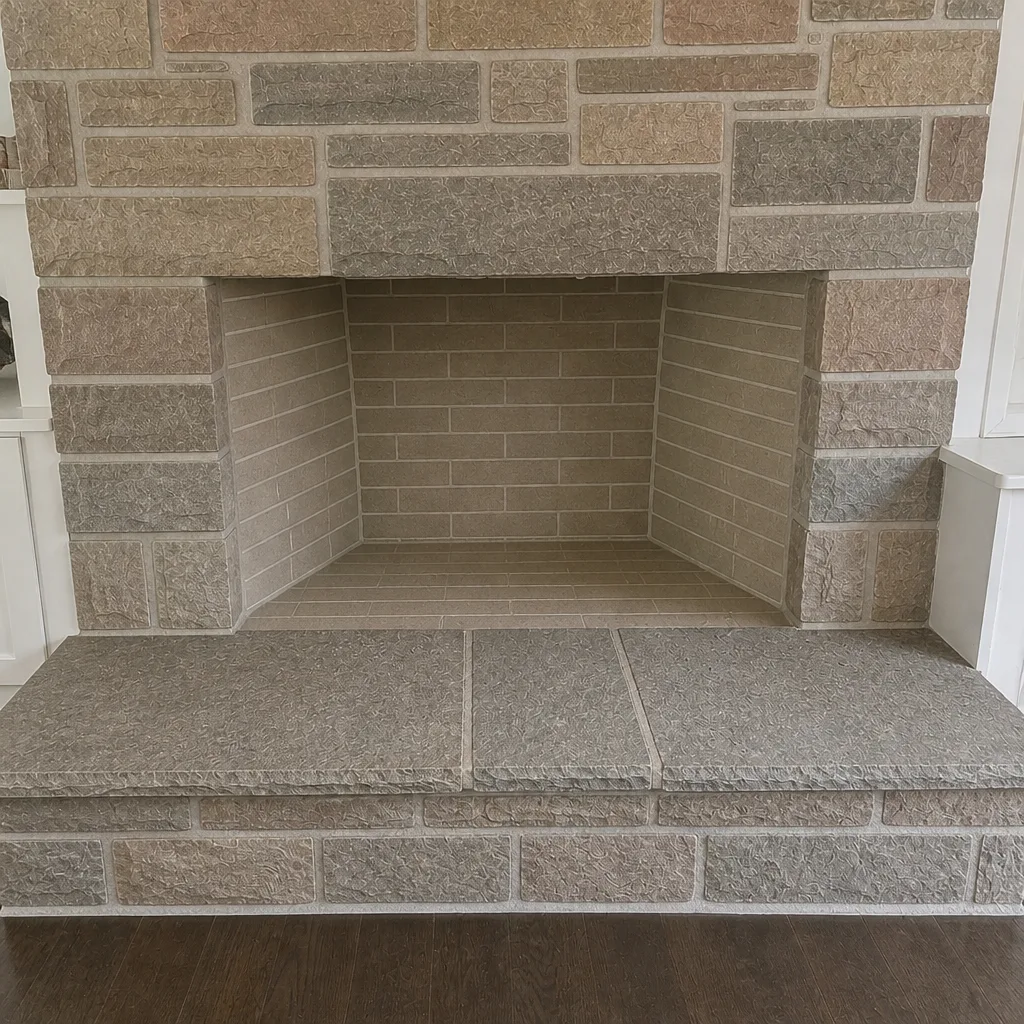
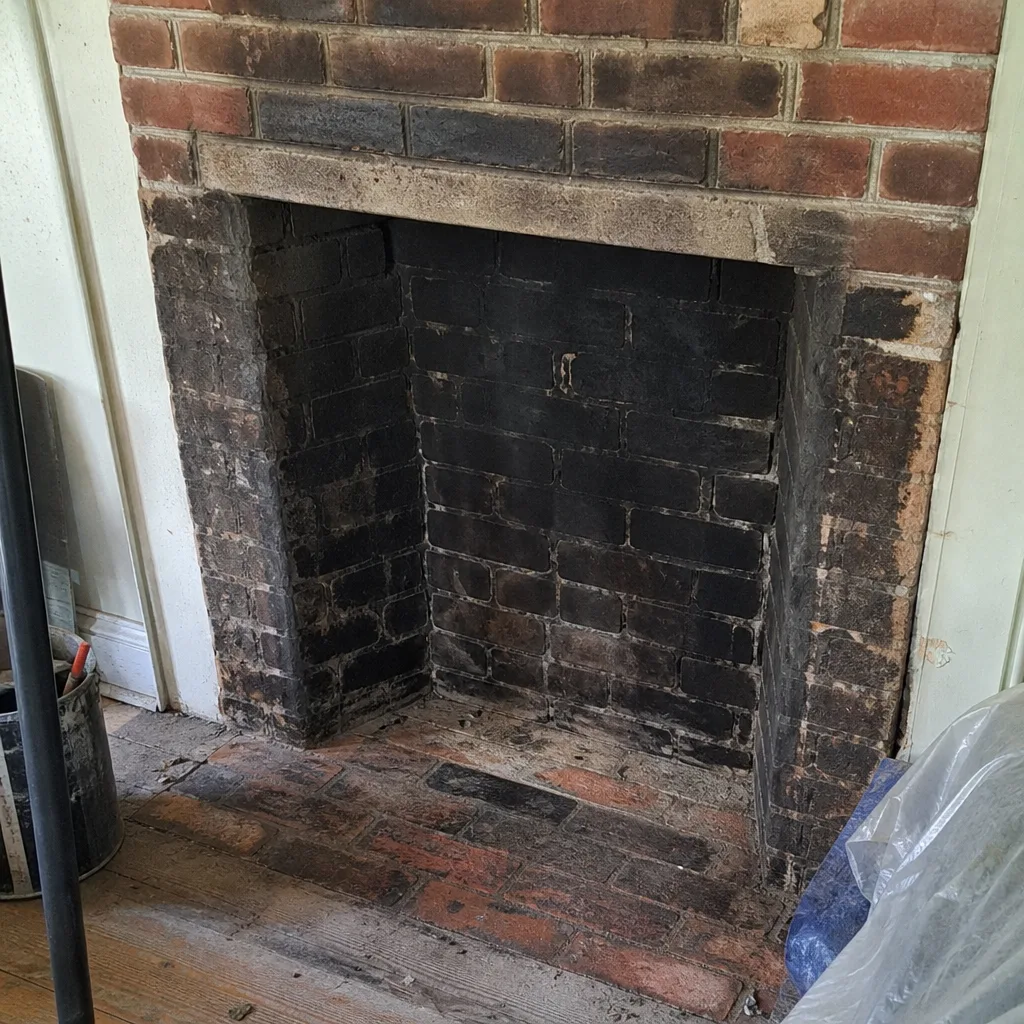
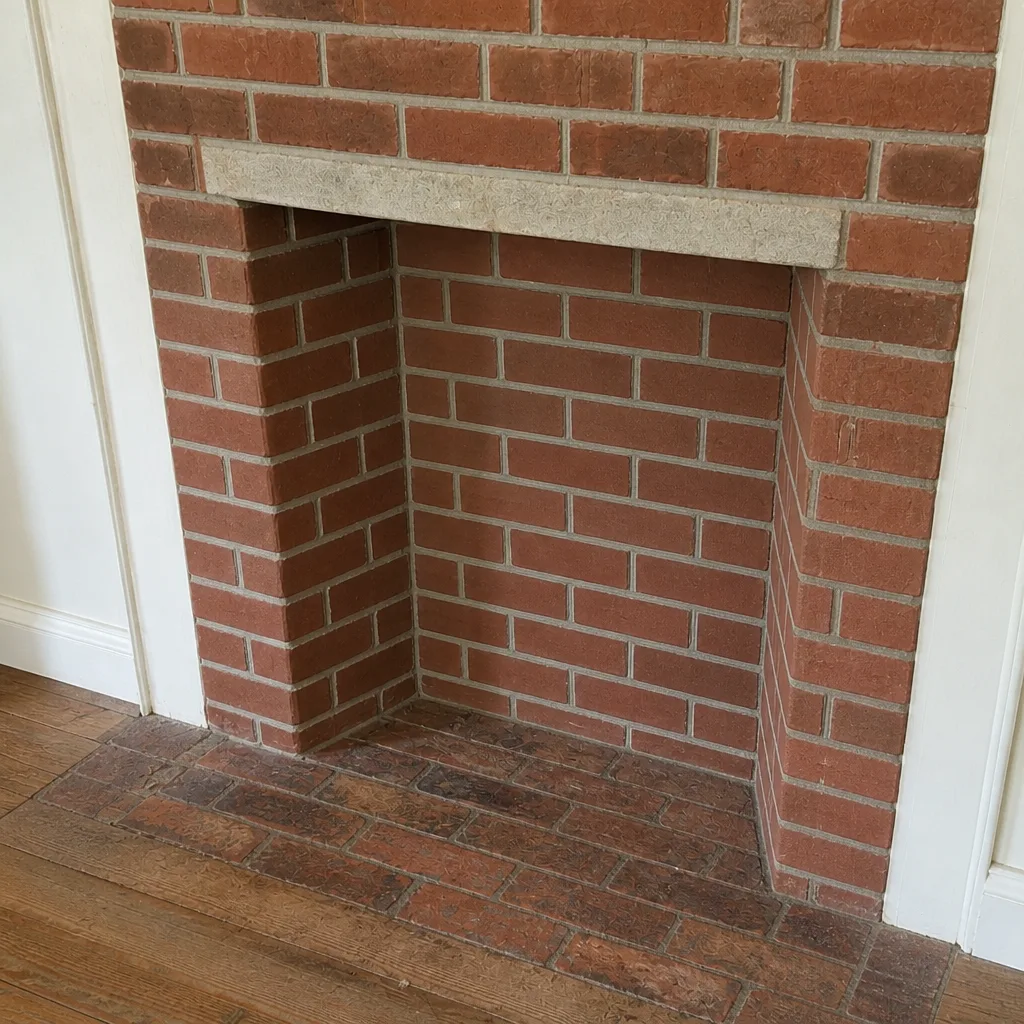
See the difference
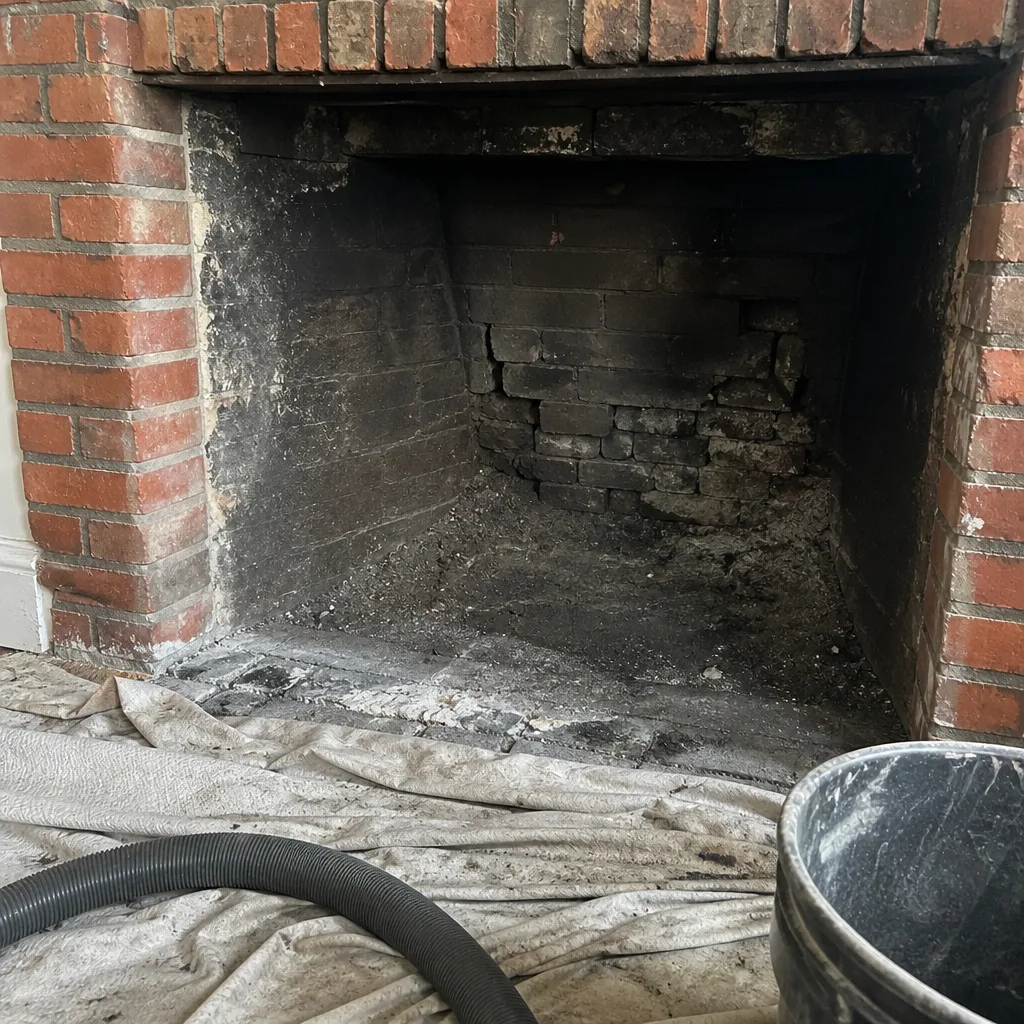 Before
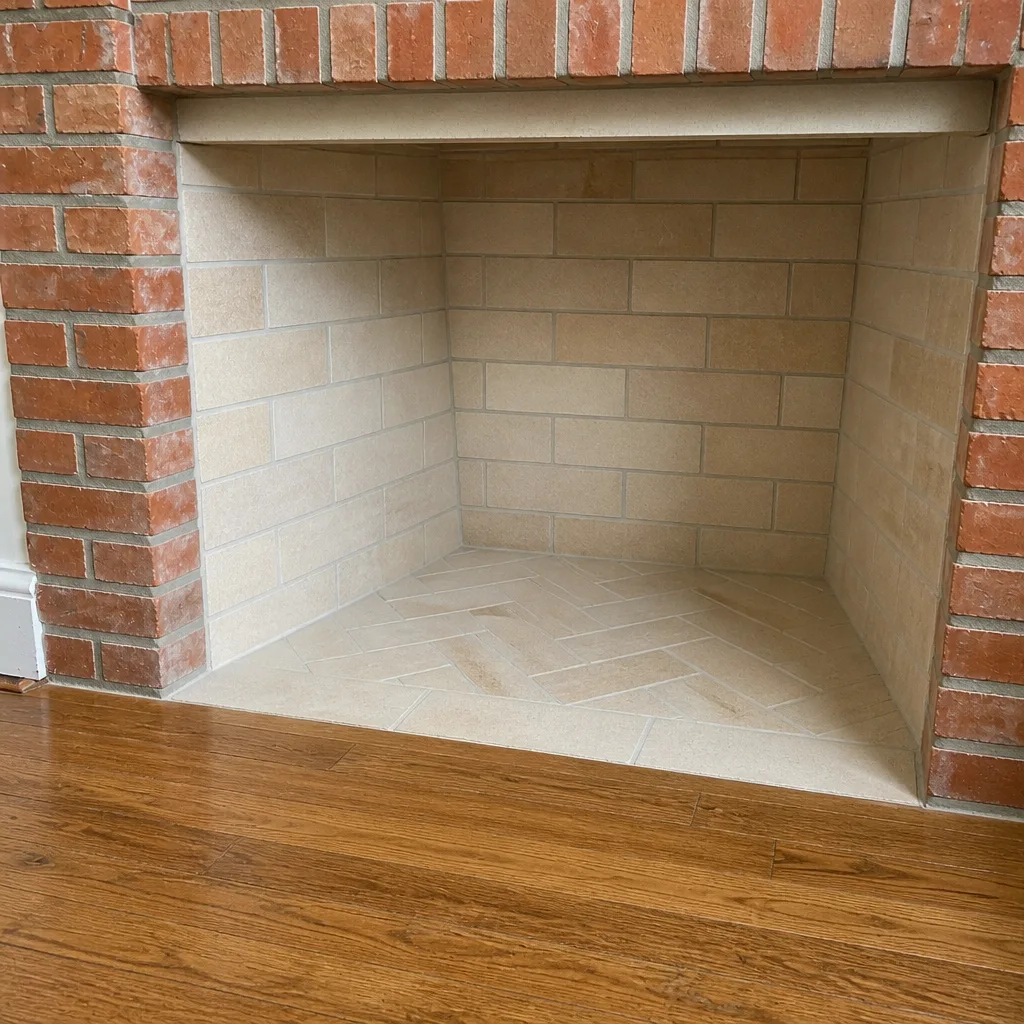 After
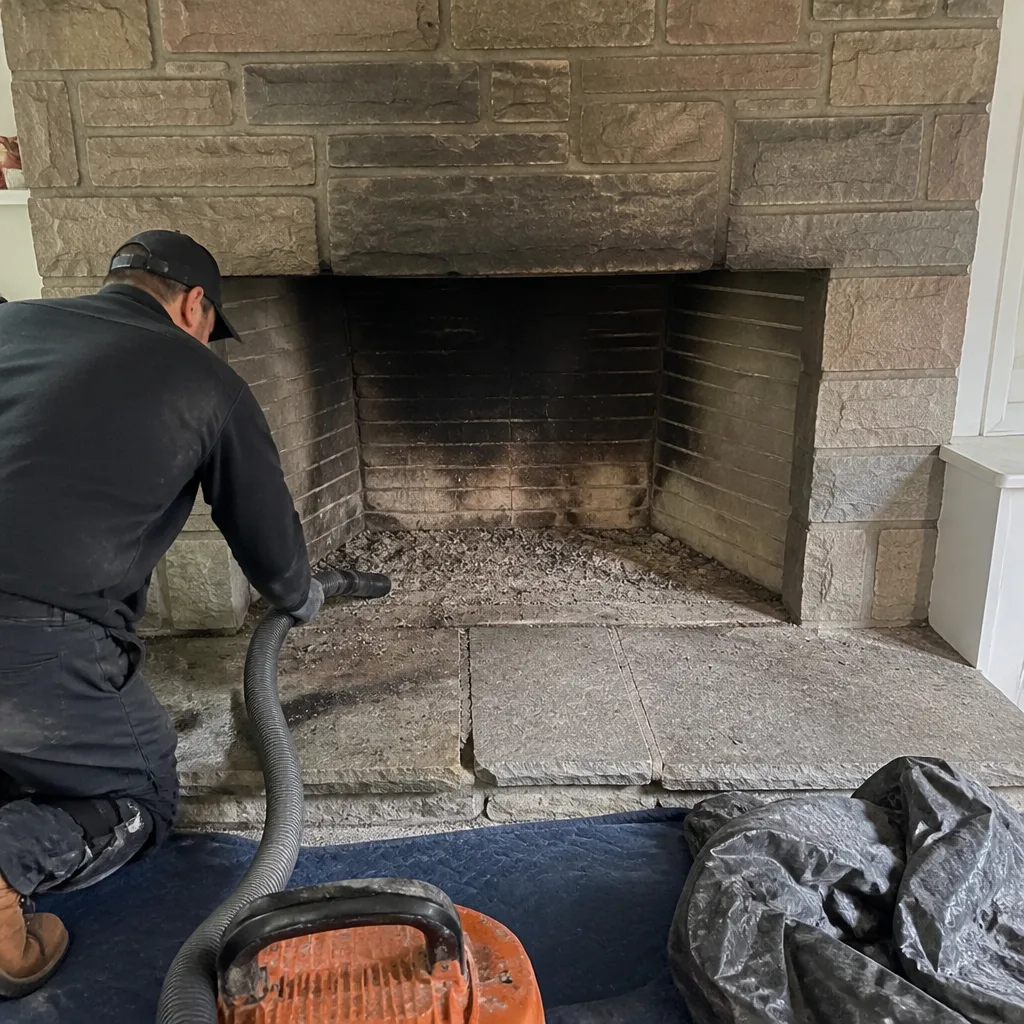 Before
 After
 Before
 After
When to Call a Professional
Call a professional if you’ve noticed any of the following: honeycomb or puffy debris in the firebox, any of the four exterior signs (staining, efflorescence, spalling, rusting), a persistent musty or acrid smell, white haze on the firebox back wall that returns after cleaning, smoke inside the room when the fireplace is burning, or a chimney that hasn’t been inspected in more than a year despite active use. If you’re in Inwood and any of these apply, book an inspection before the next fire. Our team is reachable at (844) 625-7414. We answer 24/7. Fast dispatch from 7am to 7pm, Sunday through Friday. Estimates are free, and the price is set per job by the written estimate.
Frequently Asked Questions
Chimney sweeps in Inwood typically cost between $150 and $400 depending on the chimney configuration and how much creosote is present. Sweeps on larger masonry flues or on chimneys with stage 2 or stage 3 creosote can run higher because they need rotary tools or chemical treatment. Inspections are often bundled with the sweep. Call (844) 625-7414 for an exact quote. Estimates are free.
Not always. A liner replacement is only necessary when the existing liner is cracked, mis-sized for the appliance, or deteriorated beyond what can be safely resurfaced. Many aging clay flues with intact structure can be resurfaced with HeatShield, which extends the life of the original masonry without full replacement. A Level 2 camera inspection is what determines which route is correct. Our technicians show the camera evidence before recommending either one. Call (844) 625-7414 to book.
Once per year for a wood-burning chimney under typical use, more often if you burn heavily or burn unseasoned wood. Gas fireplaces need an annual inspection, though not necessarily a sweep, because creosote isn’t the concern. In Inwood, the right calendar is before the heating season, not in the middle of it. Call (844) 625-7414 for an exact quote. Estimates are free.
Creosote keeps building and progresses from stage 1 to stage 2 to stage 3, and the fire risk increases at each stage. A slow-burn chimney fire can occur without the homeowner knowing, and what it leaves behind is liner damage that isn’t visible from the firebox without a camera. Skipping a sweep also means moisture problems at the crown and flashing go unnoticed and worsen with freeze-thaw cycles. Call (844) 625-7414 to book an inspection. Estimates are free.
It means water is getting into the chimney, usually at the crown, the flashing, or the cap. The white haze is efflorescence, which is a moisture indicator, not a cleaning issue. Scrubbing it off temporarily removes the sign but doesn’t address the source. An inspection identifies where water is entering.
Yes. The CSIA estimates the majority of chimney fires are slow burns that produce little noise and may not send smoke into the room. The only evidence may be expanded, honeycomb-textured creosote debris at the firebox base or on the smoke shelf. If you find that debris, treat it as evidence of a possible past fire and book an inspection. Call (844) 625-7414 for an exact quote. The local professional we connect you with will show you the camera evidence before recommending anything.
The Bottom Line
The signs that matter most in Inwood are the quiet ones: stage 2 or stage 3 creosote, honeycomb debris in the firebox, exterior staining and efflorescence, white haze on the firebox wall, and a smell that doesn’t match normal wood smoke residue. These signs show up well before smoke in the room ever does, and catching them early is what makes the difference between a routine sweep and a significant repair. A chimney repair is far easier on the chimney and on the wallet when it’s found at the honeycomb-debris stage than after a real fire. If you’re noticing anything in this guide, get an inspection before the next fire.
Call (844) 625-7414 for a free estimate. We answer 24/7. Fast dispatch from 7am to 7pm, Sunday through Friday. The chimney is a system, and we treat the whole thing. Sweep, inspection, cap and crown work, structural repair, and fireplace repair, handled by one specialist. From the firebox to the cap, nothing gets handed off.
Written by the team at Chimney Sweep Inwood.