
Last updated November 25, 2026
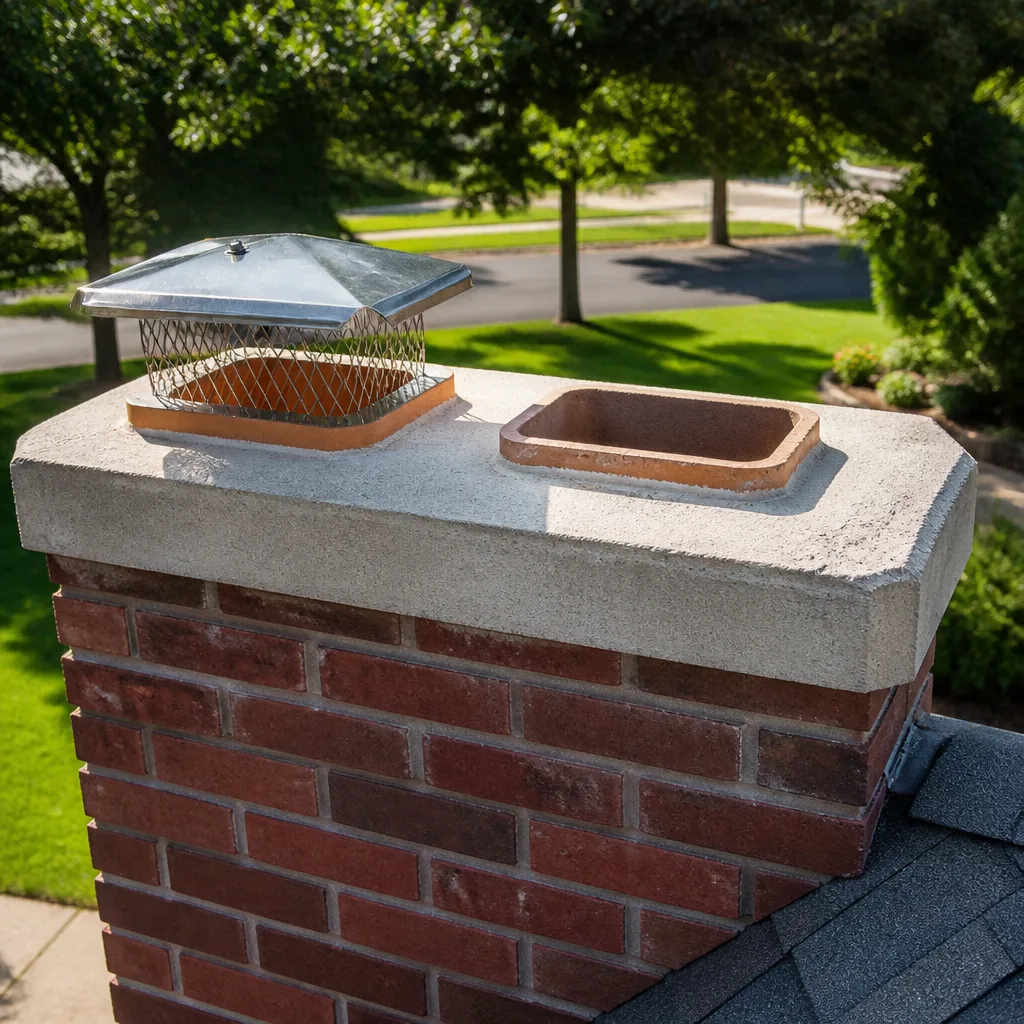 Sweep & inspection
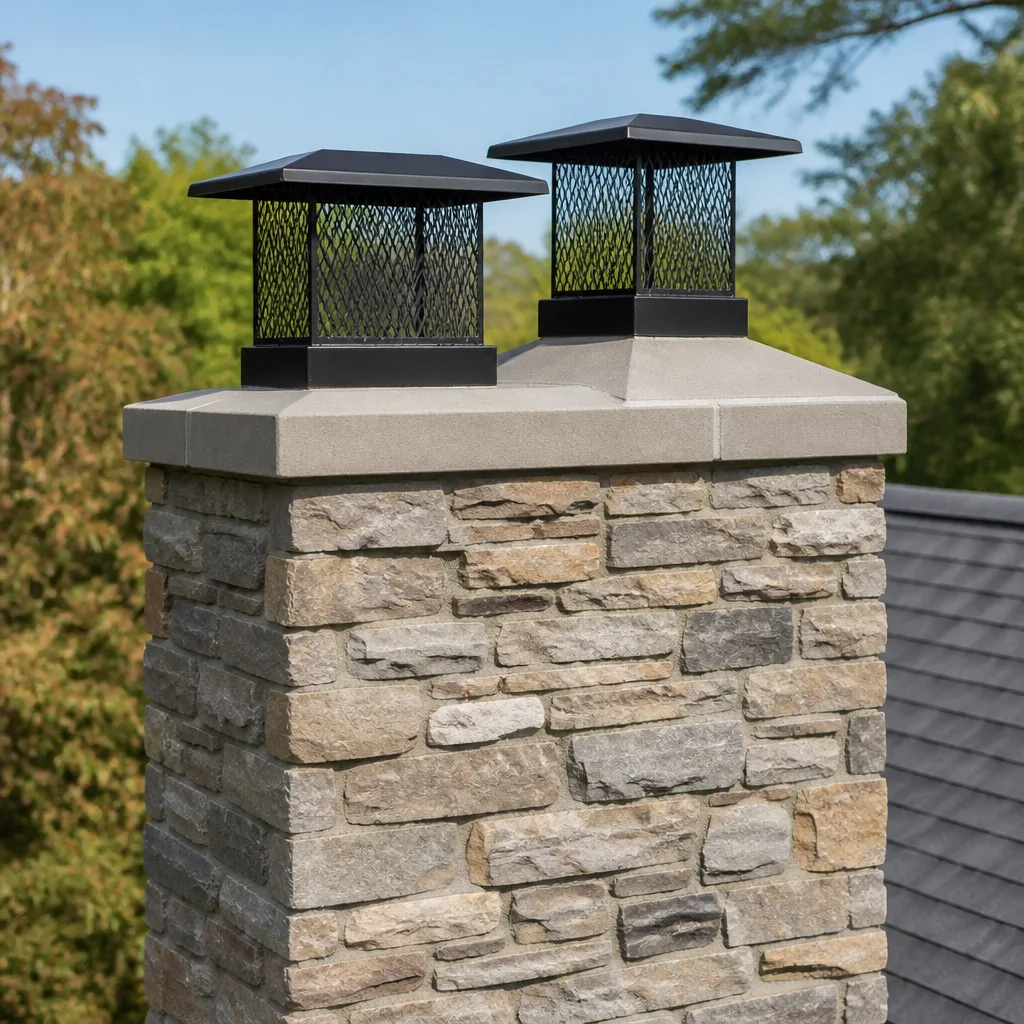 Caps & crowns
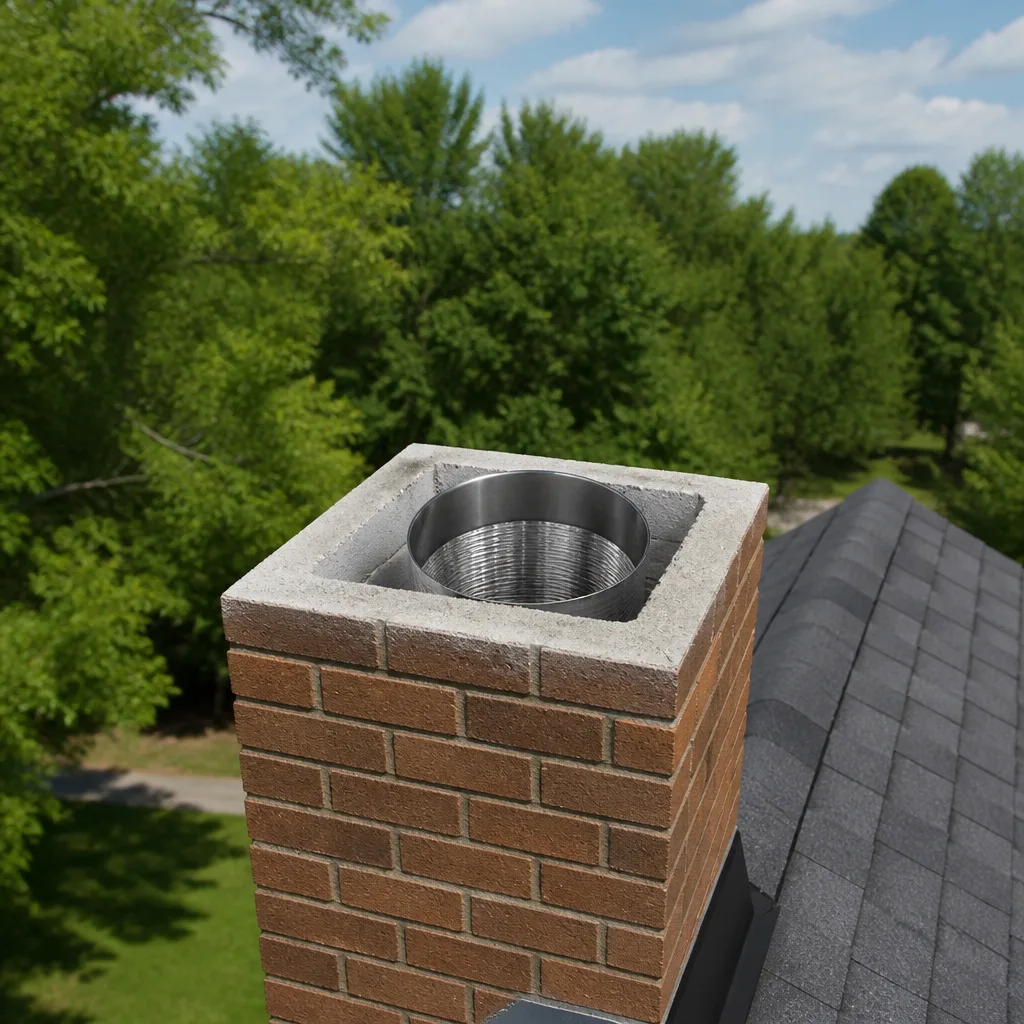 Flue relining
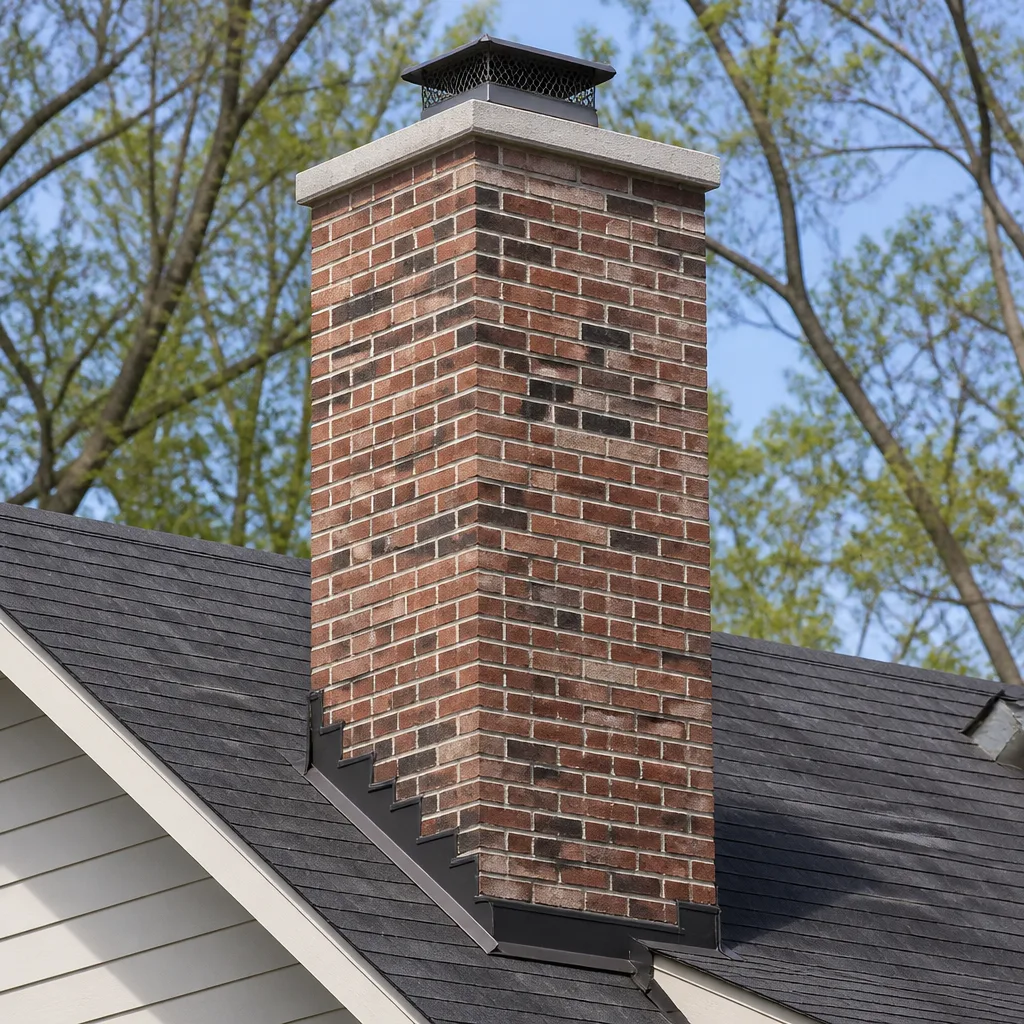 Masonry repair
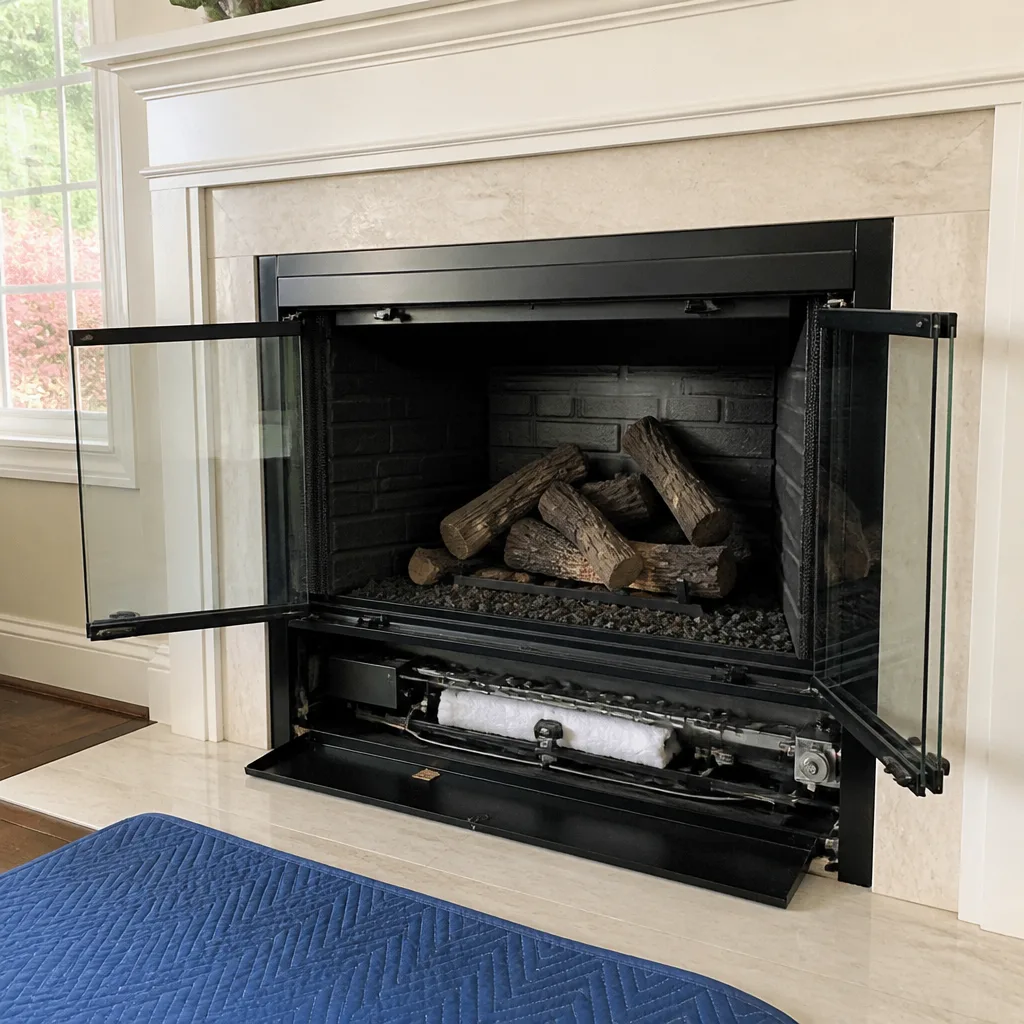 Gas fireplace service
Level 1 sweep and inspection to the NFPA 211 annual standard - flue, crown, cap, and flashing checked and photographed
Chimney sweep logs do not sweep chimneys. They loosen some creosote - which then falls where a brush and vacuum still have to collect it.
Seasonal Chimney Cleaning Care for Inwood: Year-Round Homeowner’s Guide
Most homeowners in Inwood treat the chimney like a seasonal appliance: light the first fire, then forget it until spring. That habit gets the order of operations backwards. The work that protects your chimney most doesn’t happen in fall before first use. It happens in spring, right after the last fire goes out, when leftover moisture and creosote are quietly eating away at the flue while the system sits idle. This guide maps each season in Inwood to the specific chimney tasks that matter during it, from post-season inspection in spring through the mid-winter signals that tell you something needs attention before the season ends.
Quick Answer
Seasonal chimney care in Inwood means matching maintenance to what the weather is actually doing: a post-season sweep and inspection in spring, moisture and animal control in summer, a real pre-season checklist in fall, and mid-season checks in winter. The chimney that gets swept every fall and ignored otherwise is the one that develops liner damage from sitting damp for months.
Styles & brands we work with
- Sweep & inspection
- Caps & crowns
- Flue relining
- Masonry repair
- Gas fireplace service
Table of Contents
- Spring: The Season That Actually Matters Most
- Summer: What Happens Inside an Idle Chimney
- Fall: The Real Pre-Season Checklist
- Winter: Mid-Season Warning Signs
- How Jamaica Bay Air Shifts Your Masonry Maintenance Schedule
- The Full Year-at-a-Glance Schedule
- Common Mistakes to Avoid
- When to Call a Professional
Spring: The Season That Actually Matters Most
The last fire of the season is the most dangerous moment for your chimney, and almost nobody treats it that way. Once the firebox goes cold, whatever creosote was deposited on the flue walls over the winter just sits there. Add the residual moisture from steam, humidity, and the damp air of an Inwood spring, and you have the exact conditions that corrode liners slowly over five or six idle months.
A spring visit from a chimney sweep accomplishes three things that a fall visit can’t. First, it removes creosote before summer humidity gets a chance to turn dry, flaky deposits into acidic paste against the liner wall. Second, it catches liner damage while you still have months to plan the repair rather than discovering it in November. Third, it lets a specialist look for moisture intrusion points that will only get worse as the wet season continues.
When a sweep happens in spring, the inspection can see the flue in its natural condition, without the soot cover and smoke staining that builds up during a season of use. Our technicians have up to 9 years of experience and know what Inwood’s older masonry flues look like when a long winter of moisture has started to work on the mortar joints.
Spring is also the right time to schedule the heavier work. Liner resurfacing, crown repair, and cap replacement all go better in dry weather, and getting on the schedule early means the repair is finished long before the first cold night. A chimney that needs a new liner is a chimney that needs it in June, not in November when you’re trying to light a fire.
Summer: What Happens Inside an Idle Chimney
An idle chimney in Inwood’s humid summers is not actually idle. It’s a cool, shaded column of masonry attached to a house, which is exactly the environment that moisture, insects, and animals look for.
The Capped vs. Uncapped Difference
A capped chimney has a stainless or copper chimney cap & crown with a spark-arresting mesh on top. Rain runs off the cap and down the outside of the flue rather than into it. Animals can’t get through the mesh. Birds can’t fall in or nest on the smoke shelf.
An uncapped chimney is open to the sky. Rainwater runs straight down the flue, soaking the creosote deposits left from the winter and holding moisture against the liner for weeks at a time. Squirrels, birds, and raccoons see the flue as an excellent place to nest during the off-season. Nests block the flue and become a fire hazard when you light the first fire in fall.
The Summer Tasks That Pay Off
- Confirm the cap is intact. Look at the top of the chimney from the ground. A cap that’s been knocked loose or has a torn mesh allows water and animals in.
- Watch for staining on the ceiling or chimney breast. A brown water mark on the ceiling or the wall around the chimney in summer points to a crown, flashing, or masonry leak that needs repair before fall.
- Check the firebox and smoke chamber for signs of animal activity. Droppings, nesting material, or a musty smell coming down the flue is a strong sign something has moved in.
- Look at the crown from the ground. Cracks in the concrete crown at the top of the chimney worsen over summer heat cycling and are much easier to fix now than in October.
Summer is also when we recommend scheduling a masonry assessment for older Inwood homes, particularly brick chimneys on pre-war buildings and row houses where the mortar joints have had decades of freeze-thaw behind them.
Fall: The Real Pre-Season Checklist
“Schedule a sweep” is not a pre-season checklist. It’s one line item on a list of seven. The chimney is a system, and every part of it needs checking before the first fire.
The Full Pre-Season Checklist
- Sweep the flue. Even a spring sweep leaves a thin film, and animals that entered over summer leave nests in the flue. Sweep before the first use.
- Operate the damper. A damper that sticks or won’t open fully means smoke will roll into the room or the fire won’t draft. If it’s stiff, that’s a repair, not something to force.
- Run a smoke test. Light a small piece of newspaper in the firebox with the damper open and watch whether the smoke drafts upward cleanly. Strong rollback into the room means a blockage, a damaged flue, or a pressure problem worth investigating.
- Inspect the cap after summer. Summer storms are the season when caps take hits. Torn mesh or a loose cap means animals can still enter.
- Look at the firebox. Cracked firebrick or missing mortar joints in the firebox need repair before use.
- Check the liner. Visible gaps, breaks, or missing tiles in the flue tiles are a sign the liner is failing.
- Test carbon monoxide and smoke detectors. A working CO detector is the single most important pre-season safety item. Test it, and confirm the batteries are fresh.
Our technicians work with professional-grade liner materials including DuraFlex flexible liner systems, HeatShield ceramic resurfacing, and Olympia Chimney components, which lets a single visit catch a problem and, in many cases, start the fix in the same trip rather than scheduling a second contractor.
Winter: Mid-Season Warning Signs
The first fire of the season is not the moment the chimney stops needing attention. Mid-winter signals tell you something has changed, and each one has a specific meaning worth knowing.
Glazed Creosote Smell
If you smell a sharp, creosote-like odor coming from the fireplace or chimney even when no fire is lit, you have glazed creosote built up on the flue wall. Glazed creosote is the hardest stage of creosote, forms from repeated hot fires without adequate draft, and is the main fuel for a chimney fire. It needs to be swept and, in some cases, treated before the rest of the season.
Smoke Rollout
Smoke coming out of the firebox into the room, rather than going up the flue, means the draft is compromised. Common causes are a partially closed damper, a flue blockage, or a change in the house’s pressure from a bathroom fan or dryer running. If the rollout happened once and then stopped, it may just be a cold flue. If it’s now happening every fire, that’s a signal to call.
Damper Stiffness
A damper that was easy to open in October and becomes hard to operate in January is telling you the metal is warping from the heat or the pivot is fouling. Forcing it can crack the damper plate. Have it checked.
Other Mid-Season Signals
- Sudden smoky smell in rooms that were previously fine.
- Any visible smoke escaping from cracks in the chimney breast.
- Carbon monoxide detector activating (get everyone out, call the utility, then call a chimney professional).
- Smoldering smell hours after the fire is out.
Any of the above is worth a call rather than a wait. We answer 24/7. Fast dispatch from 7am to 7pm, Sunday through Friday.
How Jamaica Bay Air Shifts Your Masonry Maintenance Schedule
Inwood sits close enough to Jamaica Bay that the local atmosphere runs more humid than inland New York, and the difference shows up in how fast masonry mortar and brick weather. Chimneys on the bay side of Inwood can look markedly more worn at the same age than chimneys further inland, and the maintenance schedule should reflect it.
What this means in practice:
- Mortar joints need repointing sooner. The higher humidity near the bay keeps brick damper longer between rain events, and masonry that stays wet breaks down faster at the joints than masonry that dries out.
- Crown cracks progress faster. A hairline crack in the crown is more likely to spread in a humid environment than a dry one because freeze-thaw in winter hits it while it’s already saturated.
- Caps do double duty. A properly installed chimney cap & crown keeps rain off the flue and slows the moisture that accelerates masonry weathering. For Inwood homes near the bay, a cap isn’t optional.
- Spring inspection matters more here. A post-season visit catches moisture intrusion from a wetter winter while the damage is still small.
This is the reason our schedule for the bay-adjacent parts of Inwood leans toward inspecting masonry in spring and rechecking the crown and cap in early fall. Homes in the neighborhoods further inland can sometimes run a slightly lighter cadence on the masonry side, but the flue and firebox tasks are identical everywhere.
The Full Year-at-a-Glance Schedule
If the detailed sections above are more than you need, here’s the whole year in one place. Treat this as your baseline and adjust based on what the professional finds.
Spring (post-season)
- Sweep the flue to remove winter creosote before summer humidity hits it.
- Full inspection of liner, cap, crown, and firebox.
- Schedule any liner resurfacing or masonry repair for the drier months.
- Check for water staining on ceilings and around the chimney.
Summer (off-season)
- Confirm the cap is intact and the mesh is intact.
- Look at the crown from the ground for new cracks.
- Sweep again if animals are suspected inside the flue.
- Book fall appointment slots before the rush.
Fall (pre-season)
- Sweep the flue.
- Operate the damper and run a smoke test.
- Check the firebox for cracked brick or mortar.
- Test smoke and carbon monoxide detectors.
- Confirm the cap is installed and the mesh is intact.
Winter (mid-season)
- Watch for glazed creosote smell.
- Note any smoke rollout into the room.
- Report any change in damper stiffness.
- Call if the CO detector goes off.
The sweep, inspection, and repair side of this schedule all runs through one specialist team here, which means no second contractor to coordinate when the inspection finds something that needs fixing. Our technicians work with professional-grade components from Olympia Chimney, Famco, Gelco, and Copperfield, and every visit ends with a clear picture of what was found.
Common Mistakes to Avoid
- Skipping the spring sweep because “the season is over.” Spring is when creosote goes from dry and harmless to acidic and corrosive, and skipping the sweep is the most common way Inwood chimneys develop liner damage.
- Leaving the chimney uncapped through summer. An uncapped flue invites rain, birds, squirrels, and raccoons into a system you won’t think about again until fall, when the nest becomes a fire hazard on the first fire.
- Burning unseasoned wood. Wet wood produces more creosote and less heat, and the deposits left behind set up the glazed creosote problem that’s hardest to remove. Split wood seasoned over a year is the safer baseline.
- Ignoring a smoke rollout as a one-off. Smoke in the room means the draft is compromised. It rarely fixes itself and often points to something that gets worse with use.
- Forcing a stiff damper. Heat warps metal, and a damper that’s stiff is a damper that’s already slightly out of shape. Forcing it can crack the plate and turn a repair into a replacement.
- Putting off crown cracks because they’re “just cosmetic.” A crack in the crown lets water into the masonry below it, and the cost of a crown repair is far smaller than the cost of repairing saturated masonry later.
- Assuming a general handyman can handle it. Chimneys are a specialty, and a general contractor usually can’t install HeatShield ceramic resurfacing or a DuraFlex flexible liner. A chimney repair attempt by a non-specialist often means the fix has to be undone first.
When to Call a Professional
Some chimney tasks are annual maintenance, and some need a call the same day. We recommend calling a specialist in any of the following situations:
- Any smoke rollout into the room, especially if it’s happening on every fire.
- Carbon monoxide detector activation – get everyone out first, then call.
- Glazed creosote smell from the chimney or firebox when no fire is burning.
- Visible water staining on the ceiling or chimney breast.
- Any suspected animal nest in the flue.
- A damper that has become stiff or won’t open fully.
- Any obvious crack in the crown or missing masonry at the top of the chimney.
- A hot, smoky smell hours after the fire is out.
For Inwood homeowners, our team handles sweep, inspection, cap and crown, repair, and fireplace repair under one specialty. Chimney Sweep Inwood offers free estimates in Inwood, and the written estimate sets the final price. Call (844) 625-7414. We answer 24/7. Fast dispatch from 7am to 7pm, Sunday through Friday.
Frequently Asked Questions
Once a year is the baseline for a wood-burning fireplace, and in Inwood’s humid climate we often recommend the sweep in spring rather than fall so creosote doesn’t sit through the wet months. A chimney used heavily or burned with unseasoned wood may need more frequent cleaning. Call (844) 625-7414 for an exact quote on your chimney – estimates are free.
A typical chimney sweep in Inwood runs in the modest hundreds of dollars for a standard flue and fireplace; the final price depends on how much creosote is present, whether the chimney needs inspection or cap work, and how accessible the flue is. Every quote is written and agreed before any work begins. Call (844) 625-7414 for an exact quote – estimates are free.
Skipping a year raises the creosote load and, in Inwood, leaves that load against the liner through a humid summer, which is when liner damage usually starts. A chimney that’s actively used and skipped for a year is more likely to need repair at the next inspection. Call (844) 625-7414 for a spring sweep and inspection – estimates are free.
Skipped inspections mean liner damage, crown cracks, and animal nests go unnoticed until they show up as a smoke problem or a CO alarm, and by then the repair has grown. The good news is that most small problems found early can be fixed on the same visit. Call (844) 625-7414 for a full inspection – estimates are free.
Spring sweeps remove creosote before summer humidity turns it corrosive, and they catch moisture problems while the repair can be planned in dry weather. Fall remains an important pre-season checkpoint, but the post-season work in spring is what actually protects the liner. Call (844) 625-7414 to book a spring appointment – estimates are free.
Yes – an uncapped flue in Inwood’s humid summer takes in rainwater, invites birds and squirrels to nest, and holds moisture against the creosote left from the winter. A cap with spark-arresting mesh solves all three. If your chimney has no cap, ask about chimney cap installation during your next visit. Call (844) 625-7414 for a free estimate.
Get everyone out of the house first, then call the gas utility. Don’t re-enter until they’ve cleared the property. Once you’re safe, a chimney professional should inspect the flue and appliance venting before the system is used again. Call (844) 625-7414 for the chimney side – estimates are free.
The Bottom Line
The seasonal chimney advice most Inwood homes need is not “sweep in fall.” The seasonal advice that actually protects the chimney is a sweep and inspection in spring, moisture control in summer, a real pre-season checklist in fall, and mid-season attention to glazed creosote smell, smoke rollout, and damper stiffness. Inwood’s near-bay humidity means masonry needs more eyes than an inland home, and a cap with mesh is doing more for the house than most homeowners realize. Match the work to the season, catch problems when they’re small, and the chimney stays safe through every one of them. Professional-grade materials – HeatShield, DuraFlex, Olympia Chimney, Copperfield – matter, but the timing matters more. From the firebox to the cap, Chimney Sweep Inwood handles the full system through the year.
Ready to get your Inwood chimney on a seasonal schedule? Call (844) 625-7414 for a free estimate. We answer 24/7. Fast dispatch from 7am to 7pm, Sunday through Friday.
Written by the team at Chimney Sweep Inwood.
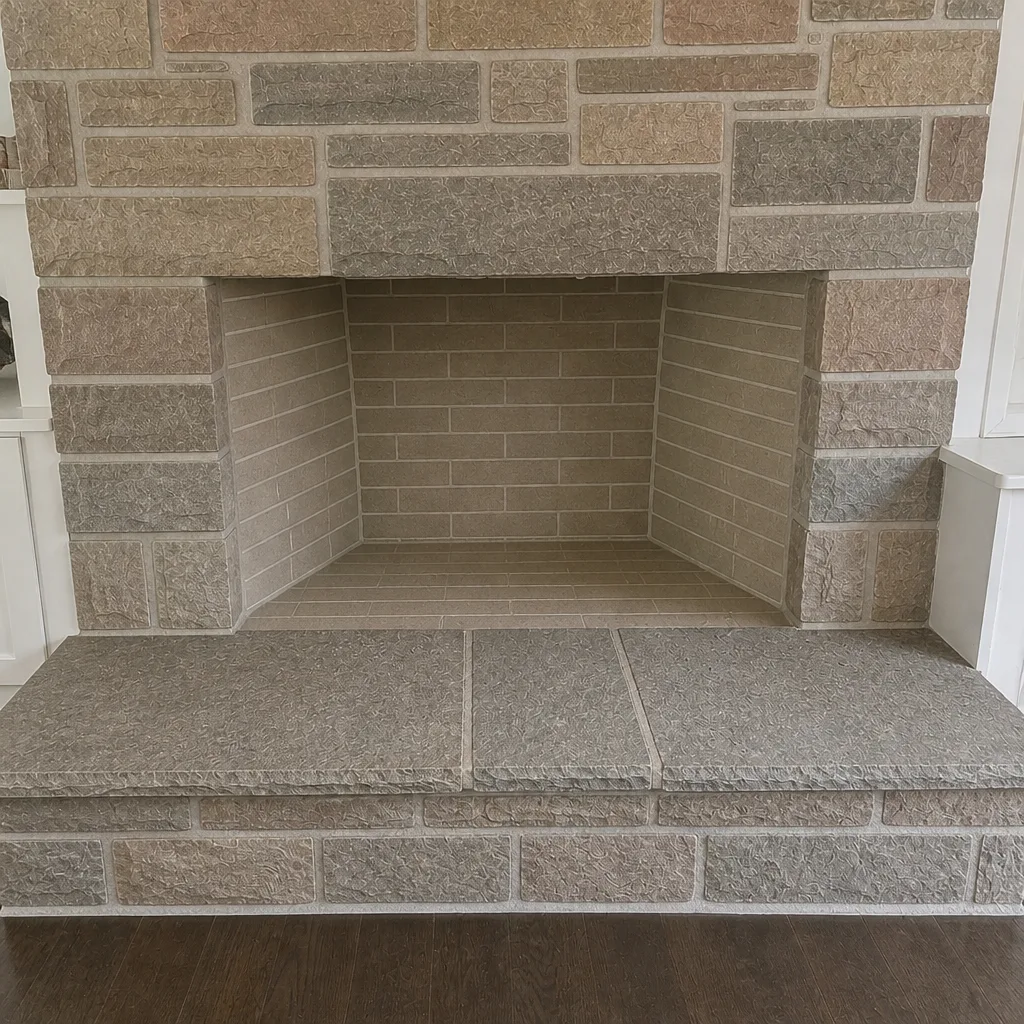
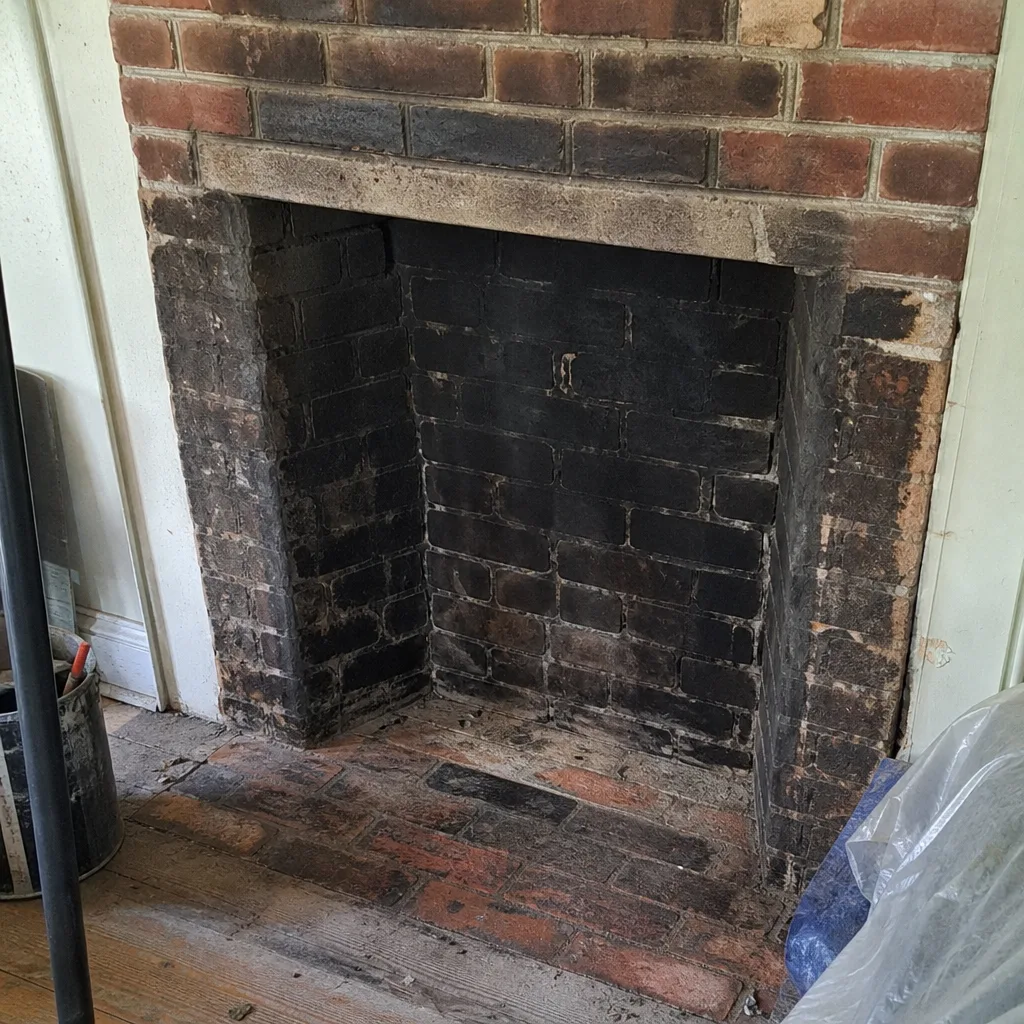
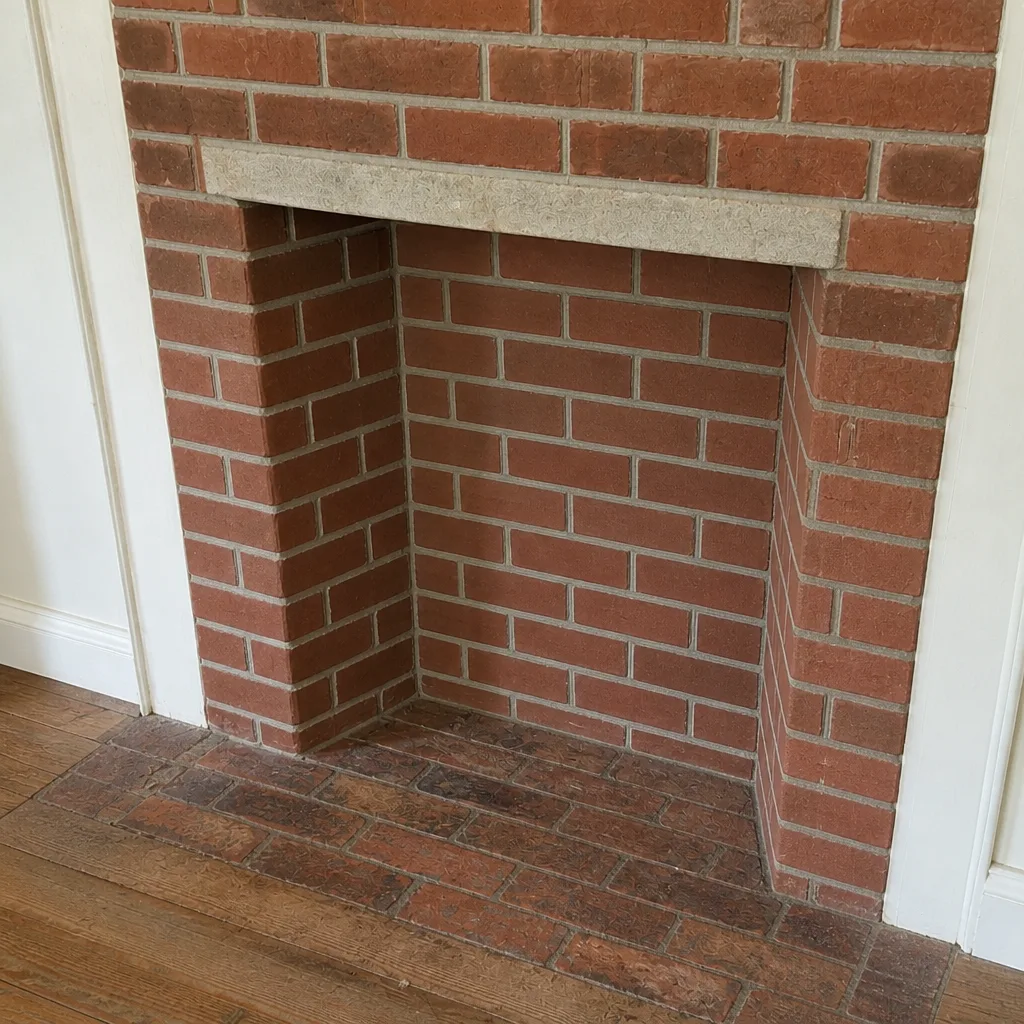
See the difference
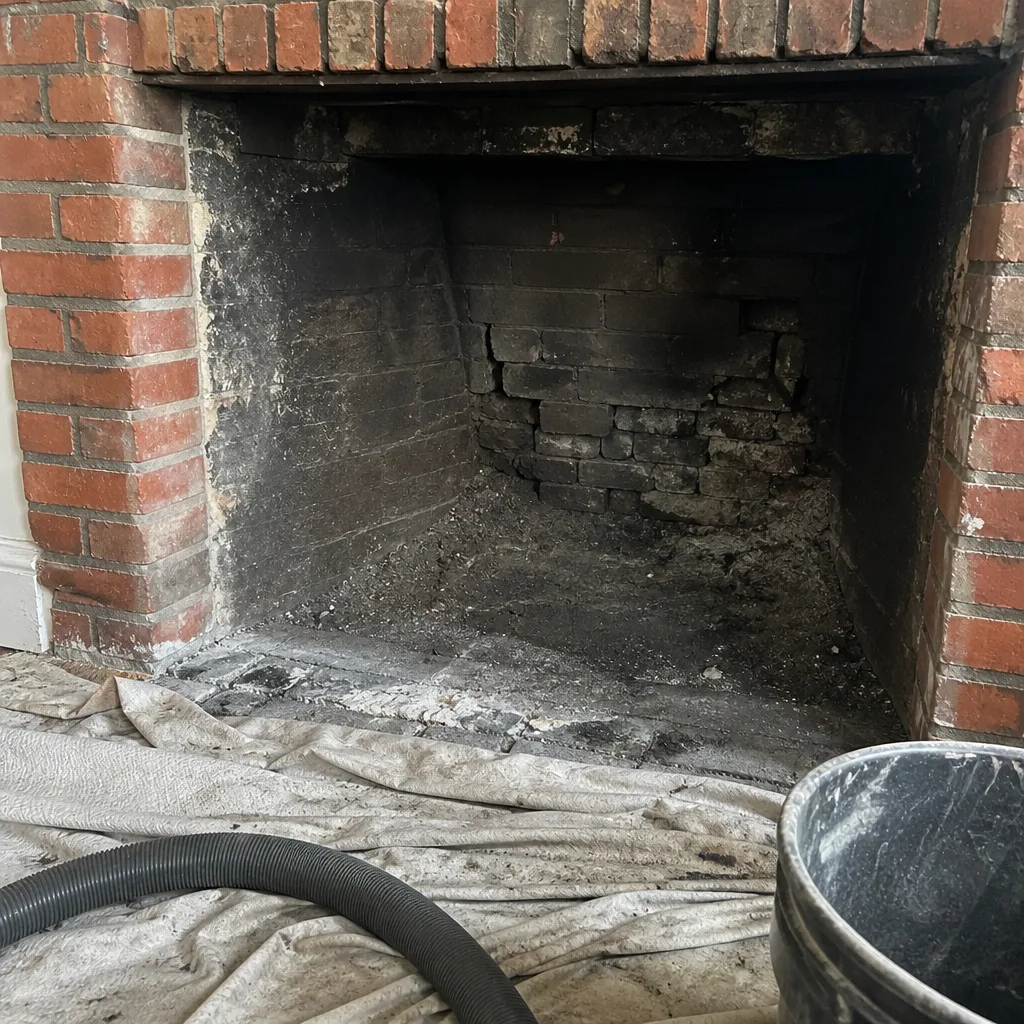 Before
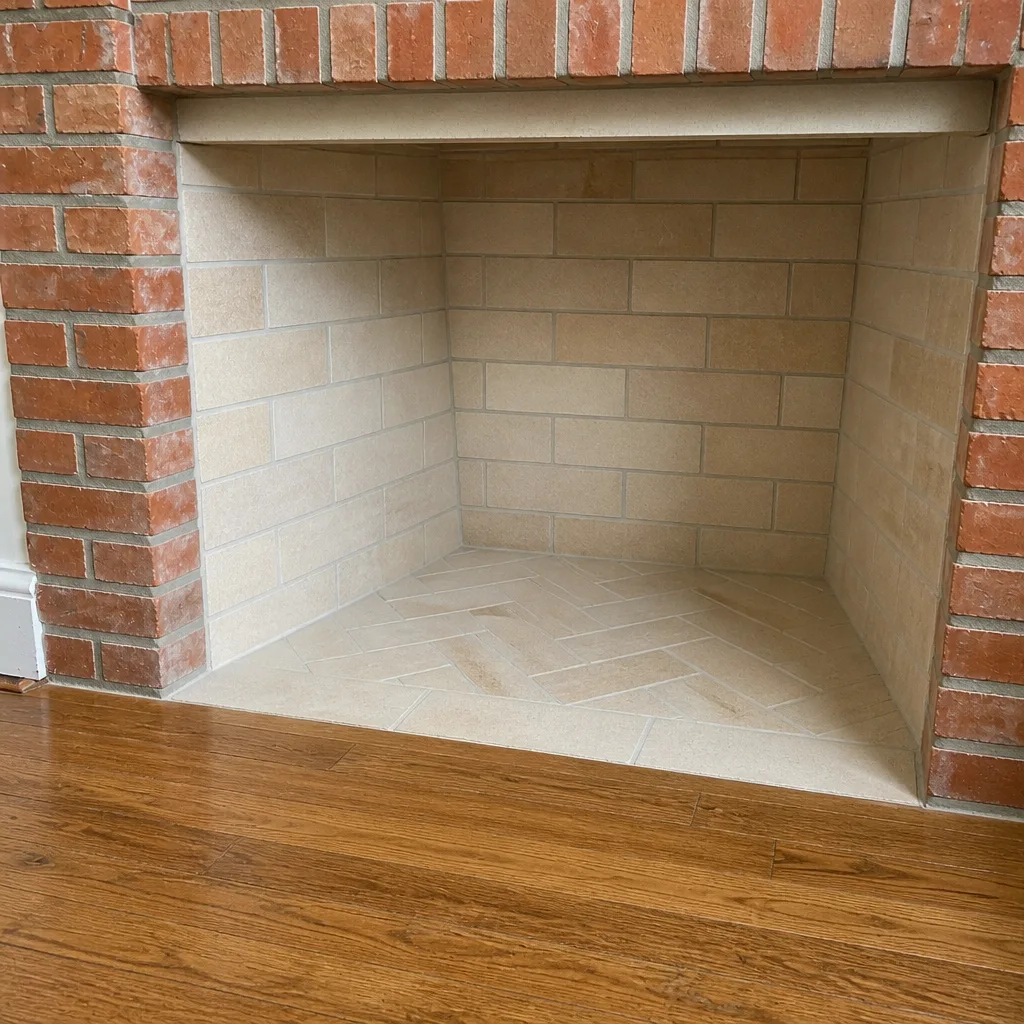 After
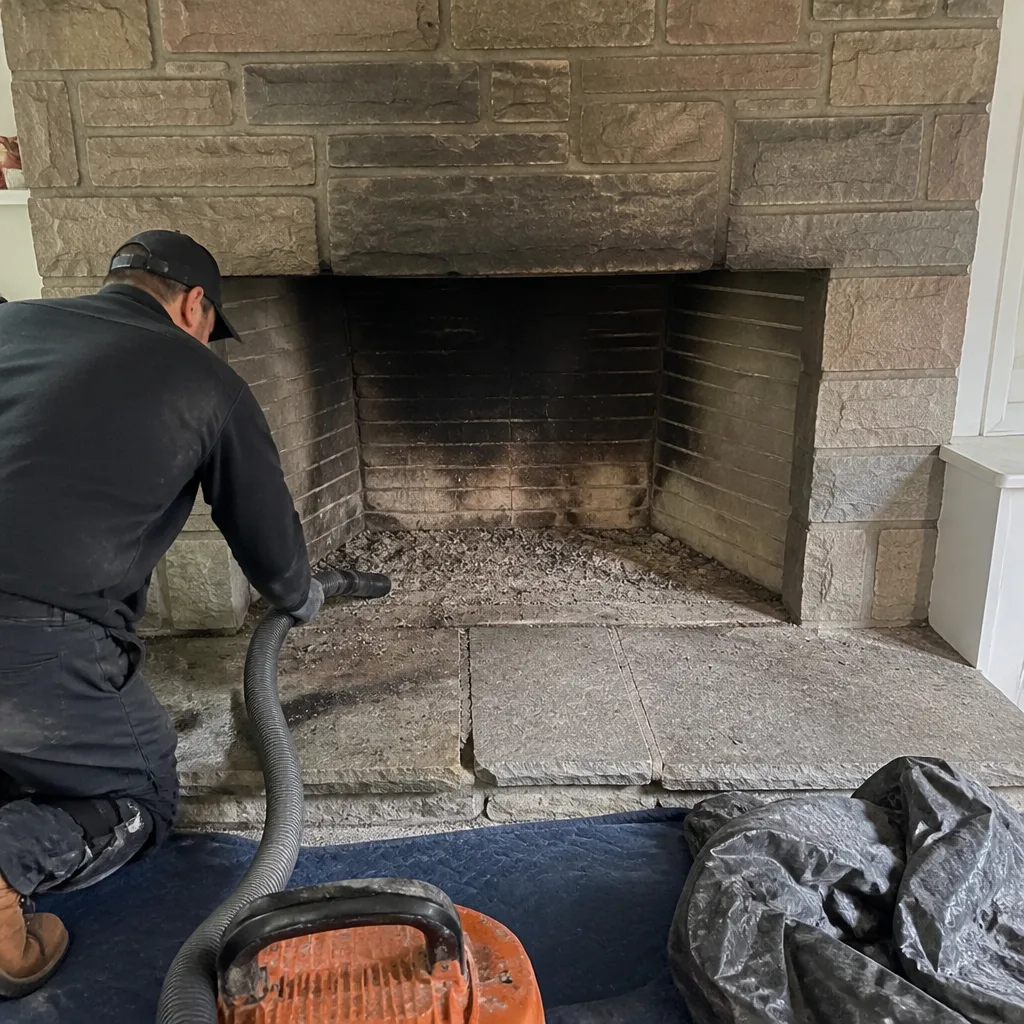 Before
 After
 Before
 After