
Last updated November 25, 2026
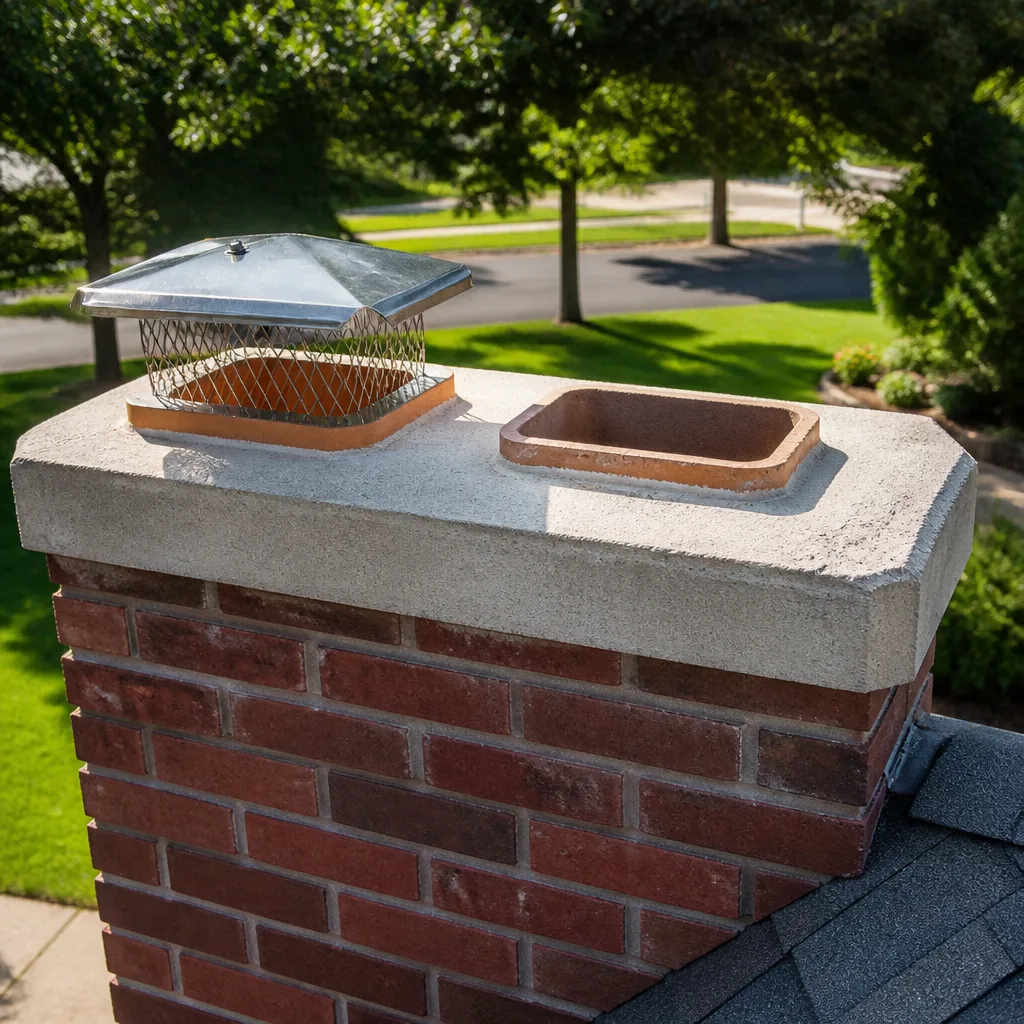 Sweep & inspection
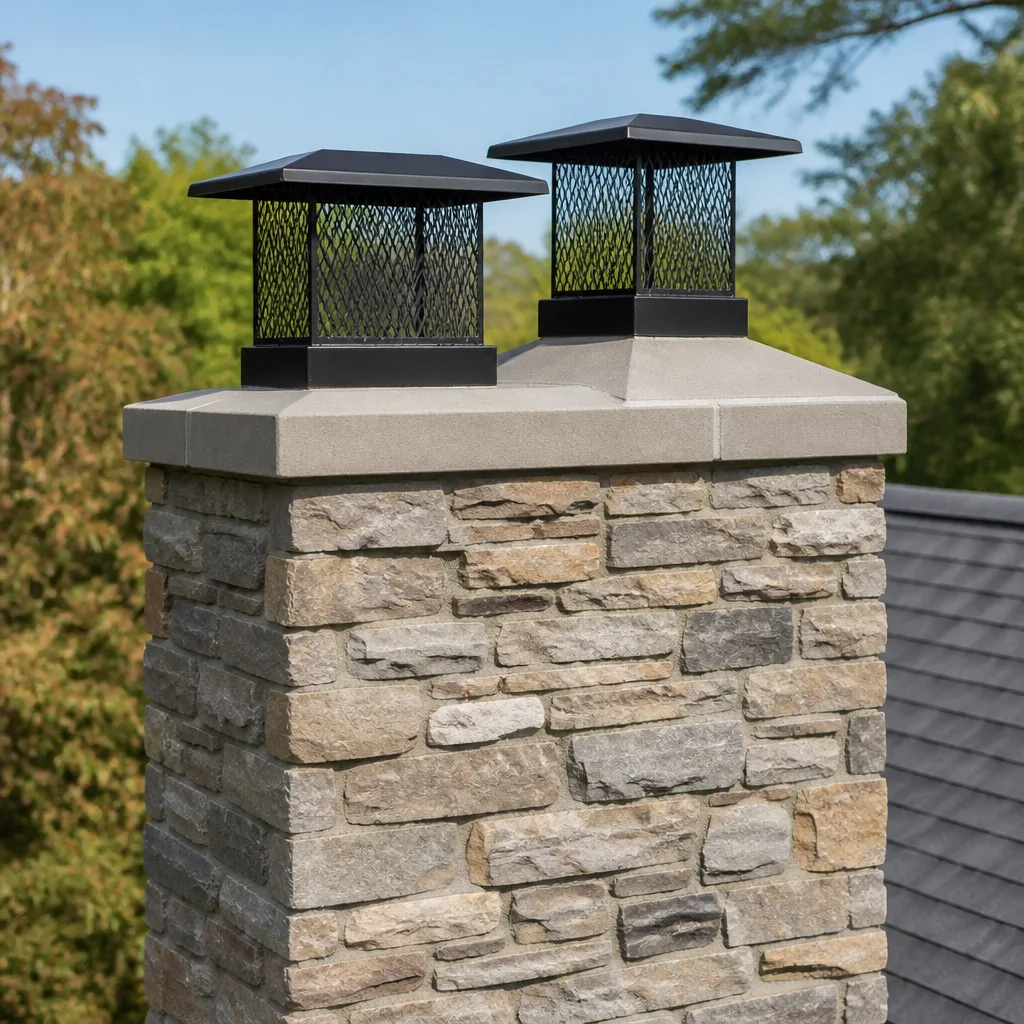 Caps & crowns
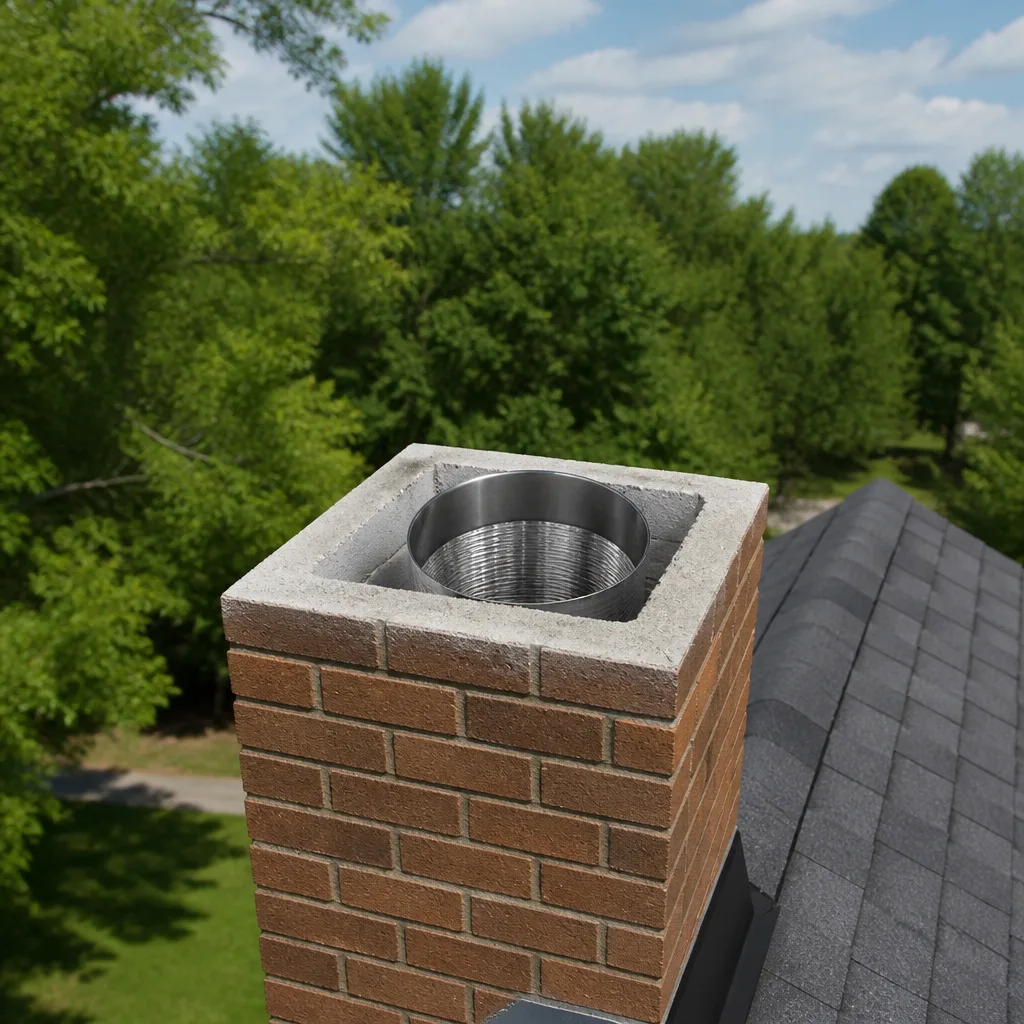 Flue relining
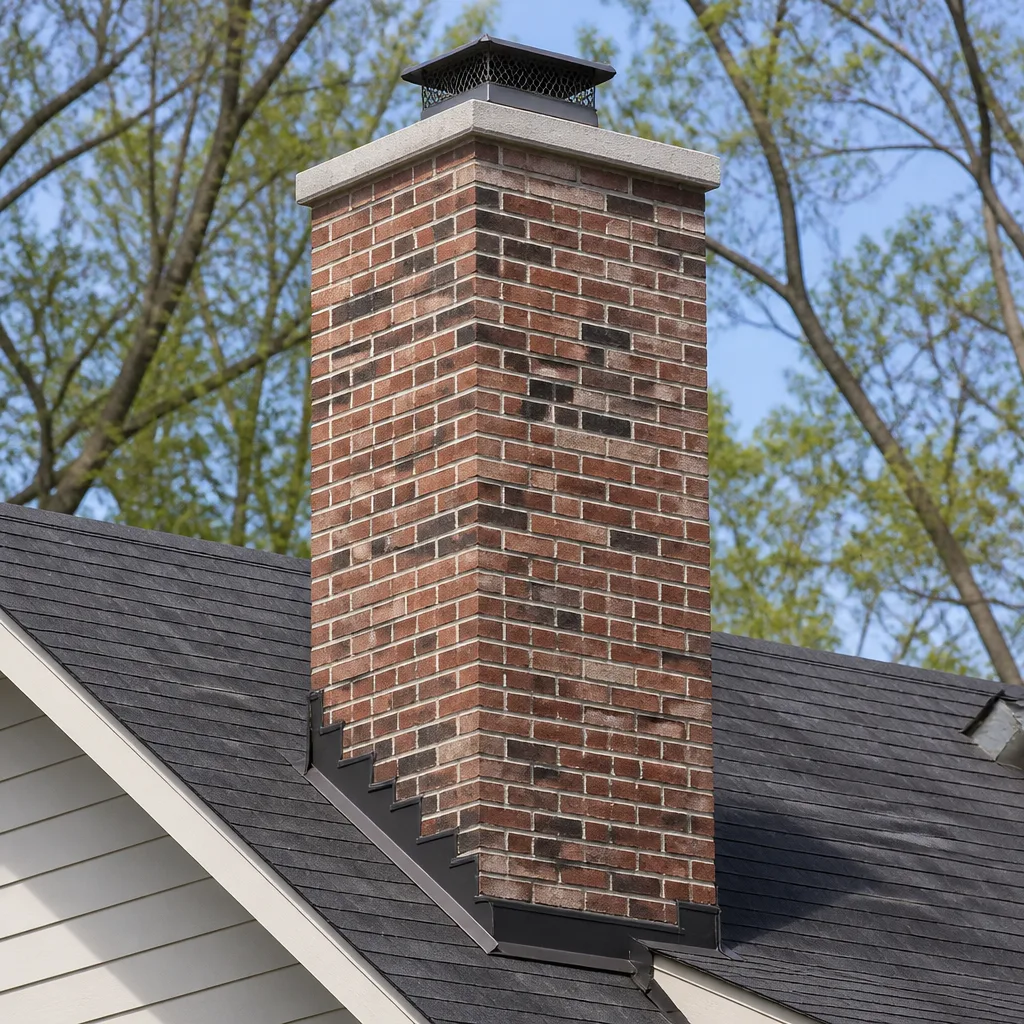 Masonry repair
 Gas fireplace service
Level 1 sweep and inspection to the NFPA 211 annual standard - flue, crown, cap, and flashing checked and photographed
Chimney sweep logs do not sweep chimneys. They loosen some creosote - which then falls where a brush and vacuum still have to collect it.
Chimney Cleaning Emergency Preparedness Guide for Inwood Homes
When a chimney fire starts, the standard advice is to close the damper and call 911. That advice is incomplete, and in some cases it’s wrong. Closing the damper on a flue fire can redirect heat and gases into the home instead of up the stack, depending on where the fire is actually burning. Most Inwood homeowners have never thought through the difference between a firebox fire and a chimney fire, and that gap in planning is exactly what turns a manageable event into a dangerous one. This guide walks through the three real chimney emergencies – fire, carbon monoxide exposure, and structural failure – and gives you a specific response for each, plus the pre-season prep that makes those responses possible.
Quick Answer
A chimney emergency in Inwood is either a fire inside the flue, a carbon monoxide alarm while the fireplace is in use, or sudden structural failure like smoke rollout or a collapsing liner. Each needs a different response: for a chimney fire, get everyone out and call 911 without closing the damper on an active flue fire; for a CO alarm, evacuate immediately and ventilate only after everyone is outside; for smoke rollout, stop using the fireplace and treat it as a sign of a blocked or damaged flue. After any of these events, the chimney needs a Level 2 inspection before it’s used again.
Styles & brands we work with
- Sweep & inspection
- Caps & crowns
- Flue relining
- Masonry repair
- Gas fireplace service
Table of Contents
- The Three Categories of Chimney Emergency
- Chimney Fire vs. Firebox Fire: Why the Response Differs
- The Correct Sequence of Actions for Each Scenario
- What to Tell the Fire Department When You Call
- After the Emergency: Why a Chimney That Looks Fine Isn’t
- Pre-Season Emergency Prep for Inwood Homes
- Choosing a Fire Extinguisher and Placing CO Detectors
- Common Mistakes to Avoid
The Three Categories of Chimney Emergency
Not every chimney problem is the same kind of problem. In our experience responding to calls across Inwood, emergencies fall into three buckets, and the response to each one is genuinely different. Treating them all the same way is where homeowners get hurt.
Category one is fire. That covers both a firebox fire that’s gotten out of control and an actual chimney fire burning inside the flue. The distinction matters because the fire’s location determines what you should and shouldn’t do with the damper and the air supply.
Category two is carbon monoxide. A CO alarm sounding while the fireplace is in use is a separate emergency from fire. CO is invisible and odorless, and the correct response is evacuation, not investigation. A cracked flue liner, a blocked flue, or a reversed draft can all push combustion gases into living space.
Category three is structural failure. This includes sudden smoke rollout into the room, a loud crack from the chimney, or visible damage after a weather event. It’s the category most homeowners misread, because the fireplace may still light and the chimney may still look intact from the outside.
Knowing which category you’re facing is the first step in emergency preparedness. The rest of this guide breaks down each one. If you’re reading this before anything has gone wrong, that’s the best time to schedule a chimney sweep so you start the season with a clean flue and a baseline inspection on record.
Chimney Fire vs. Firebox Fire: Why the Response Differs
A firebox fire is burning inside the firebox – the metal or masonry box where you build the fire. A chimney fire is burning up inside the flue itself, in the creosote that’s accumulated on the liner walls. Telling them apart is the single most important skill in chimney emergency response, because the standard “close the damper” advice applies to a firebox fire and can work against you on a flue fire.
Here’s the difference in plain terms. When creosote ignites inside the flue, the fire is above the damper. Closing the damper starves the fire of oxygen, which can help, but it also traps heat and combustion gases in the flue and can push them into the home through any gap in the system. Depending on where the fire is burning and how much creosote is involved, closing the damper can redirect pressure and heat into the living space rather than up the stack. That’s why the response differs.
Signs of a chimney fire
- A loud roaring or rumbling sound, often described as sounding like a freight train or a low-flying plane
- A dense, dark column of smoke from the top of the chimney, sometimes with visible flames
- A strong, hot smell, or a sudden pop or crack from the flue
- Creosote flakes or pieces of debris on the roof or in the yard below the chimney
- Puffing or smoke coming from seams in the chimney or from the fireplace opening itself
Signs of a firebox fire you can manage
- Flames that stay inside the firebox opening
- Fire that responds to closing the glass doors and cutting off the air supply
- No roaring sound, no dense smoke from the chimney top, no smoke pushing out of seams
If you can’t tell the difference with confidence, treat it as a chimney fire. That’s the safer assumption every time. The Chimney Sweep Inwood team hears from homeowners who assume a roaring fire was just a “loud firebox fire” and later find cracked liner tiles that tell a different story. Don’t guess.
The Correct Sequence of Actions for Each Scenario
Once you’ve identified which emergency you’re in, the sequence matters. Steps out of order waste seconds you don’t have. Here are the numbered responses for each of the three categories.
Scenario 1: Confirmed or suspected chimney fire
- Get everyone out of the house immediately, including pets. Do this first, before anything else.
- Call 911 from outside. Use a mobile phone or a neighbor’s phone.
- Do not close the damper on an active flue fire unless a chimney professional or the fire department tells you to. Closing it on a fire burning above the damper can redirect heat and gases into the home.
- If the fire is clearly still in the firebox and not in the flue, close the glass doors and cut the air supply, then get out.
- Once outside, stay outside. Do not re-enter to check the fire or retrieve belongings.
- Warn neighbors if the chimney top is showing heavy flames or the roof looks at risk.
Scenario 2: CO alarm while the fireplace is in use
- Do not investigate the source. Get everyone and pets out into fresh air immediately.
- Call 911 from outside and tell them a CO alarm is sounding and a fireplace was in use.
- Do not re-enter until the fire department has cleared the home, even if you feel fine.
- Once cleared, keep the fireplace out of use until a chimney professional has inspected the flue and venting system.
Scenario 3: Sudden smoke rollout into living space
- Stop adding fuel and let the fire burn down if it’s safe to do so.
- Open a nearby window to relieve pressure and give the smoke somewhere to go.
- If smoke is heavy or the fire won’t settle, evacuate and call 911.
- If the smoke clears and the fire dies down, do not relight it. Smoke rollout usually means a blocked, cracked, or improperly sized flue, and the next fire will do the same thing.
- Book a chimney inspection before any further use.
One point worth saying plainly: no homeowner should feel like they need to “figure out” the flue mid-emergency. The time to understand your chimney’s condition is before the season, not during a fire. That’s what a pre-season sweep and inspection are for. The chimney repair service exists exactly for the problems that show up during those inspections.
What to Tell the Fire Department When You Call
When you call 911 during a chimney emergency, the call taker needs specific facts about your chimney that change how the fire department responds. Most people don’t have this information ready. Having it in advance, written down or saved on your phone, is part of real emergency preparedness.
The information that matters most:
- Chimney type – masonry with clay tile liners, masonry with a cast-in-place liner, or a factory-built metal chimney. Say which one if you know it.
- What the liner is made of – clay tile, a stainless flexible liner, cast-in-place ceramic, or unlined original masonry. This tells the responders what to expect when they open the flue.
- When the chimney was last serviced – a recent sweep date, an inspection date, or “we haven’t had it swept in years.” Recency tells the department how much creosote is likely feeding the fire.
- What’s burning – wood, a gas log set, or a gas fireplace insert. Gas and wood respond differently, and the responders need to know which is in play.
- Whether the home has gas appliances or a gas line – this changes safe handling of the structure.
- Whether anyone is still inside or unaccounted for – always confirm this on the call.
If you don’t know the answers, say so. “I don’t know the liner type” is far more useful than a guess. But knowing these facts before an event happens is one of the highest-value things an Inwood homeowner can prepare. It’s also useful to keep the last inspection report in an accessible place. If you use professional-grade liner systems like DuraFlex or have a HeatShield-resurfaced flue, that’s worth noting, because it tells responders what kind of system they’re opening up.
One more practical note: if you live in a multi-unit building, tell the call taker that, because it changes how the fire department approaches the structure. Inwood has plenty of converted houses and shared chimneys, and that detail matters.
After the Emergency: Why a Chimney That Looks Fine Isn’t
Here’s a pattern worth understanding: a chimney can look completely intact from the outside and still have serious internal damage after a fire. That’s why “it looks fine” is not the same as “it’s safe to use,” and why a post-fire inspection is not optional.
After any fire event inside the flue, the chimney needs a Level 2 inspection before any further use. A Level 2 inspection is more involved than a routine annual check. It typically includes:
- A visual inspection of the entire flue interior, often with a camera, to find cracked liner tiles, gaps, and displaced sections
- Examination of the chimney exterior, including the crown, cap, flashing, and masonry joints
- Review of the firebox, damper, and smoke chamber
- Inspection of accessible portions of the venting system and any connected appliance
- Documentation of findings, usually with photos or a written report
A chimney fire can crack clay liner tiles that were already stressed, open joints between flue sections, warp a metal liner, or damage the crown on top. None of those things are visible from the fireplace. Homeowners who relight after a “small” fire without an inspection are taking a chance with their own safety. We’ve inspected flues after fire events that the homeowner had written off as minor, and found cracked tiles and gaps that only a camera could reveal.
If the inspection finds damage, some of it can be addressed without a full liner replacement. HeatShield, a ceramic resurfacing system, can restore the interior surface of a damaged masonry flue in cases where the structure itself is still sound. That’s a repair method we’re equipped to do, and it’s one that extends the life of aging flues in Inwood homes where a full rebuild isn’t necessary.
Pre-Season Emergency Prep for Inwood Homes
Most chimney emergencies are preventable, and the ones you can’t prevent are much easier to handle if you’ve done prep work ahead of the heating season. The goal is not to make your home fireproof. The goal is to make sure that if something goes wrong, you already know what to do and you have the right equipment on hand.
Prep checklist before the season
- Get the chimney swept and inspected. A clean flue with a recent inspection report is the baseline. Annual sweeping is the single most effective preventive step for a wood-burning fireplace.
- Confirm your CO detectors work and are placed correctly. More on placement below.
- Buy the right fire extinguisher. A dry chemical or clean agent extinguisher rated for the type of fire you could face near a fireplace.
- Keep a chimney fire response card near the fireplace. A single index card with the 911 script above, key facts about your chimney, and the sequence of actions for each scenario.
- Check the chimney cap and crown. A missing or damaged cap lets water, animals, and debris into the flue. The chimney cap & crown should be secure before the season, not after the first rain.
- Clear the area around the fireplace. No kindling, paper, or furniture within a safe radius of the firebox opening.
- Know where your gas shutoff is if you have a gas fireplace. In an emergency, the responders will ask.
What to keep on hand near the fireplace
- A fire extinguisher rated for the fire types in your home, mounted or stored within reach but not directly next to the firebox
- A metal bucket or ash can for safe ash removal (never a plastic bucket)
- A small flashlight in case the power is out during an event
- The response card described above, and the last inspection report
- A working phone in a location you can reach quickly if you need to step outside
Inwood homes vary widely – some have original masonry chimneys from the early 20th century, some have been retrofitted with flexible stainless liner systems, and some have factory-built fireplaces. The prep is broadly the same, but the specifics of your system should come from your inspection report, not from a general checklist.
Choosing a Fire Extinguisher and Placing CO Detectors
Two pieces of equipment make a real difference in a chimney emergency: the correct fire extinguisher and properly placed carbon monoxide detectors. Getting them right is a small investment in time that pays off if you ever need them.
Fire extinguisher for chimney adjacency
A standard multipurpose dry chemical extinguisher is the practical choice for most homes. The key is to select one rated for the fire types you could actually face – paper and wood fires, and if you have any gas appliances in the home, gas fires as well. Keep it in the room with the fireplace or immediately adjacent, mounted or stored where you can grab it without crossing the fire. Do not store it directly beside the firebox opening where heat and flame could reach it.
Understand the limits of the extinguisher. It’s for small fires that have just started in the firebox or around the hearth. It is not for a chimney fire burning inside the flue. For that, you evacuate and call 911.
CO detector placement relative to the fireplace
Carbon monoxide detectors should be on every level of the home and outside each sleeping area. For chimney-specific protection, the key placement is in the room where the fireplace is, but not directly above the fireplace or in the same closets or alcoves. CO can read falsely in dead-air spaces, and it needs air flow to detect accurately. Put a detector in the living space the fireplace heats – the room where a person would actually be sitting – and another in the hallway near the bedrooms.
Test the detectors on a schedule you’ll actually remember, and replace the batteries at the same time every year. If a CO alarm ever sounds while the fireplace is in use, the response is evacuation and a 911 call, not a reset and a “let’s see if it happens again.” CO doesn’t repeat for no reason.
These two pieces of equipment together – the extinguisher for small firebox fires and the detectors for CO – cover the two emergencies you can respond to yourself. The third, structural failure, is the one where evacuation is the only response and a professional inspection is the follow-up.
Common Mistakes to Avoid
- Closing the damper on an active flue fire. It seems like the obvious thing to do, but closing the damper on a fire burning above it can redirect heat and gases into the home. Know the difference between a firebox fire and a chimney fire before you act.
- Relighting after a fire because “it looks fine.” A chimney fire can crack liner tiles and open joints that aren’t visible from the fireplace. A Level 2 inspection is the only way to know the flue is safe.
- Assuming a CO alarm was a false alarm. CO alarms rarely misfire for no reason. If one sounds while the fireplace is in use, evacuate, call 911, and don’t relight until the flue is inspected.
- Skipping the annual sweep in Inwood because “we only burn a few fires a season.” Creosote builds regardless of how often you burn, and the flue doesn’t need a heavy season to accumulate enough to fuel a fire.
- Storing the fire extinguisher right next to the fireplace. If a fire starts at the hearth, the extinguisher needs to be reachable without walking into it. Keep it in the room but not in the danger zone.
- Ignoring a missing or loose chimney cap. Water, birds, and debris enter through an uncapped flue, and a damaged cap can drop material into the flue. Both are common causes of blockages and poor draft.
- Calling a general contractor for chimney work. Chimney systems are specialist work – liners, crowns, fireboxes, and venting all have specific requirements. A specialist who works on chimneys daily will catch things a generalist will miss.
If any of these have already happened in your home, the right next step is an inspection, not a wait-and-see. Our technicians have up to 9 years of experience and see these situations regularly.
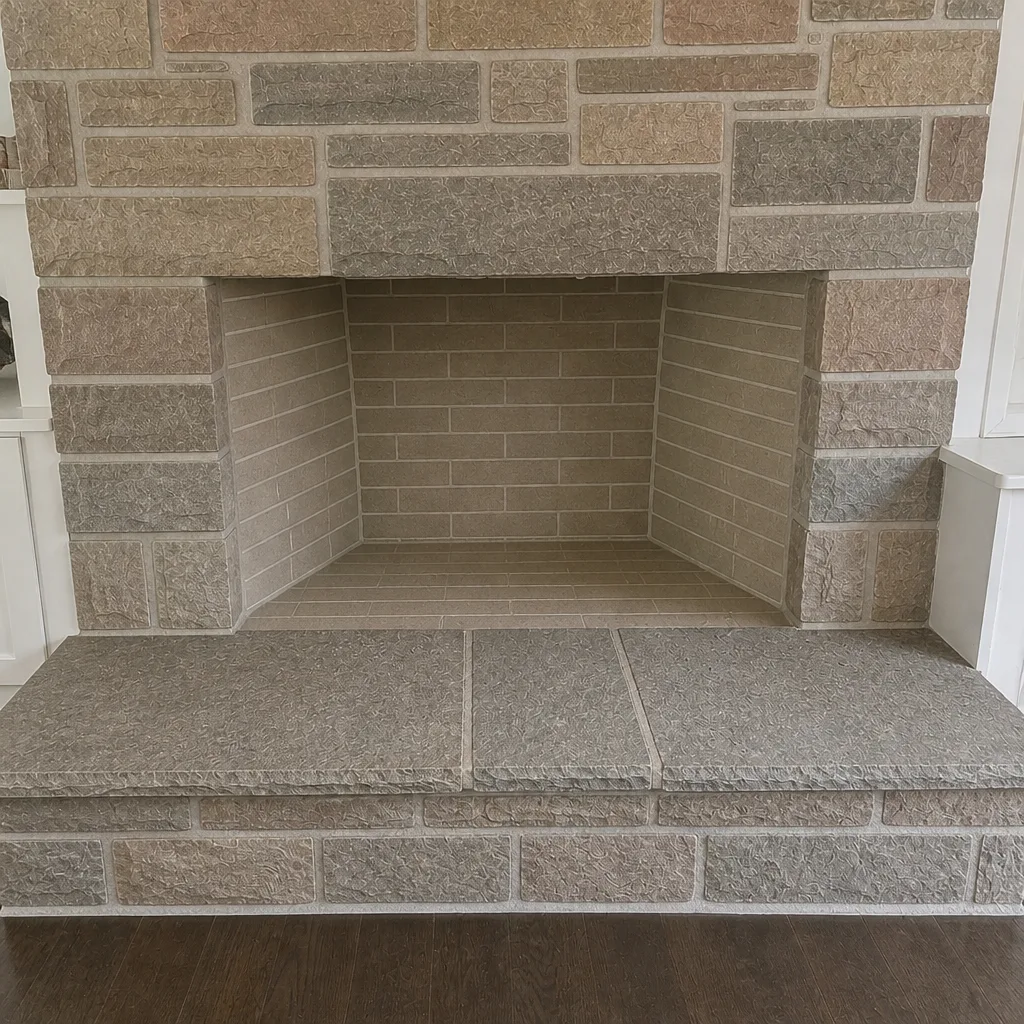
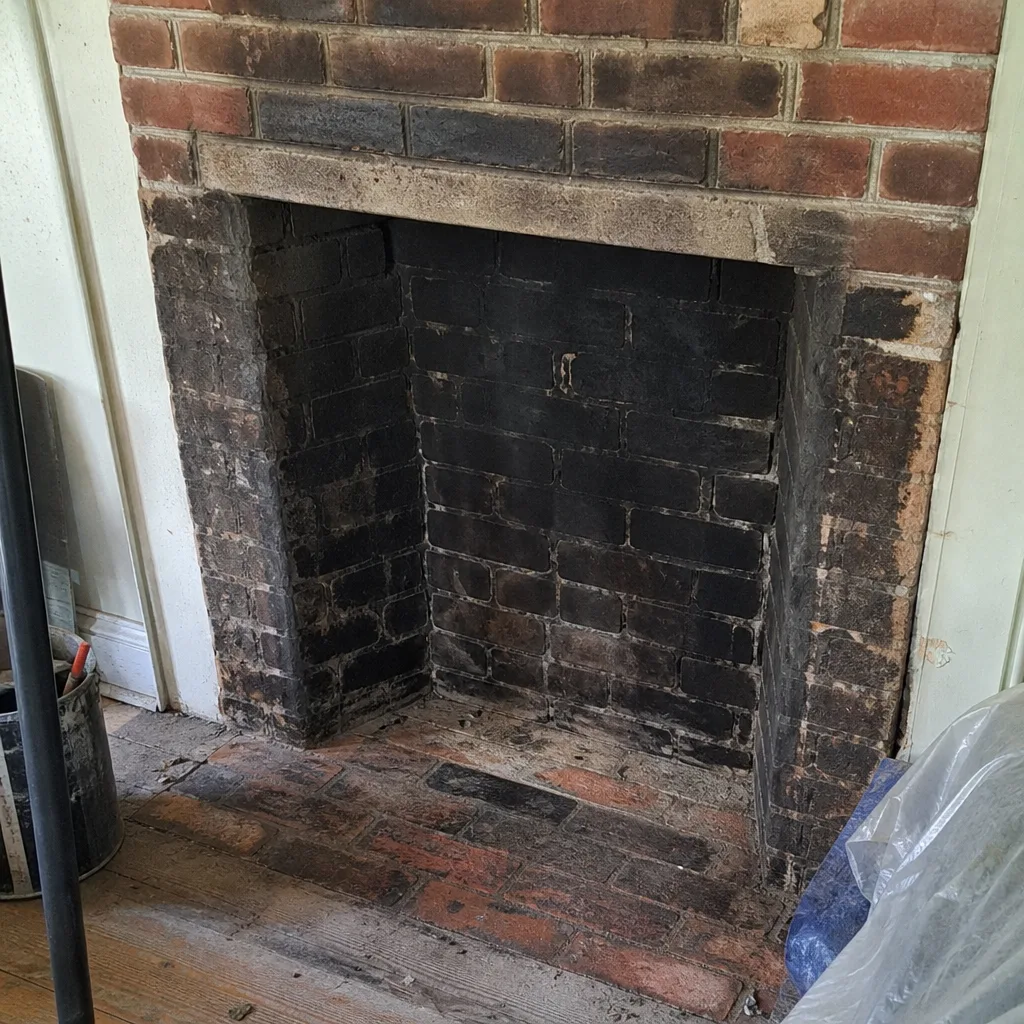
See the difference
 Before
 After
 Before
 After
 Before
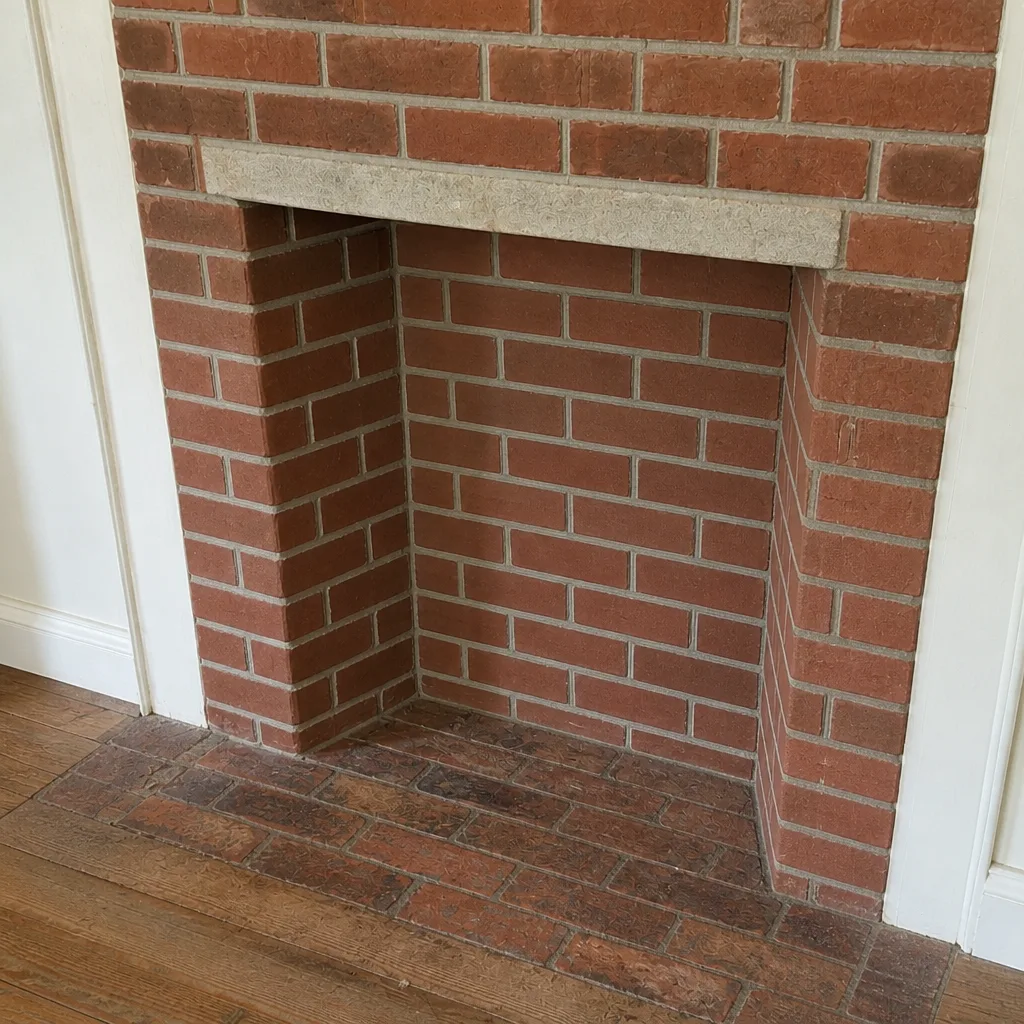 After
When to Call a Professional
Some issues are a DIY fix. Chimney emergencies are not. Call a chimney professional if you’ve had any fire event inside the flue, if a CO alarm has sounded while the fireplace was in use, if you’ve seen smoke rollout into the living space, or if you’ve noticed a crack in the firebox or chimney masonry. Call us also if the chimney hasn’t been swept or inspected in more than a year and you plan to use it this season – that’s the most common starting point for trouble. And call if you’re simply not sure what condition your system is in. An inspection is cheap compared to a fire. Chimney Sweep Inwood offers free estimates in Inwood. Call (844) 625-7414. We answer 24/7. Fast dispatch from 7am to 7pm, Sunday through Friday.
Frequently Asked Questions
Get everyone out of the house and call 911 from outside. Do not close the damper on an active flue fire unless a professional or the fire department tells you to, because closing it on a fire burning above the damper can redirect heat and gases into the home. Once outside, stay outside until the fire department clears the house.
A firebox fire is burning inside the firebox, and a chimney fire is burning inside the flue, in the creosote on the liner walls. The signs differ: a flue fire typically produces a roaring or rumbling sound, dense smoke from the chimney top, and sometimes creosote flakes outside. If you can’t tell the difference, treat it as a chimney fire and evacuate.
Tell them your chimney type (masonry or factory-built), what the liner is made of (clay tile, stainless flexible, cast-in-place ceramic, or unlined), when it was last serviced, what fuel was burning, and whether anyone is still inside. These facts change how the fire department responds. If you don’t know, say so – a guess is worse than an honest “I don’t know.”
Yes. A chimney fire can crack liner tiles, open joints, and damage the crown in ways that aren’t visible from the fireplace or the exterior. A Level 2 inspection uses a camera to look inside the flue and documents the condition before the chimney is used again. Relighting without one is a real safety risk.
Put detectors on every level and outside each sleeping area, plus one in the room where you actually sit with the fireplace running. Don’t place a detector directly above the fireplace or in tight alcoves where air doesn’t move – CO detection relies on air flow. Test and replace batteries on a schedule you’ll keep.
Yes. Not every chimney fire shows visible flames at the chimney top. Some produce only dense, dark smoke, a roaring sound, or a sudden pop from the flue. If you smell a hot, sharp odor or hear rumbling, treat it as a fire even if no flames are visible. Call 911 from outside.
Get the chimney swept and inspected annually, keep the cap and crown in good repair, and never burn anything the fireplace wasn’t designed for. Creosote is the fuel for most chimney fires, and regular sweeping removes it before it has a chance to build up. Book your sweep before the season starts rather than after the first fire.
The Bottom Line
Chimney emergencies fall into three categories – fire, carbon monoxide, and structural failure – and each needs a different response. A flue fire is not the same as a firebox fire, and closing the damper on a fire above the damper can push heat and gases into the home instead of out. After any fire event, a Level 2 inspection is the only way to know whether the flue is safe to use again. Prep work – a sweep and inspection before the season, the right extinguisher, properly placed CO detectors, and a response card near the fireplace – makes every one of these scenarios easier to handle. Inwood homeowners who do the prep work ahead of time are the ones who come through a chimney emergency without a secondary crisis on top of it.
Chimney Sweep Inwood is a chimney and fireplace specialist – sweep, inspection, cap and crown, chimney repair, and fireplace repair, all handled by one team. We work with professional-grade brands including DuraFlex, HeatShield, Gelco, and Olympia Chimney. We use HeatShield for ceramic flue resurfacing and DuraFlex flexible liner systems for retrofits in older or non-standard flue configurations. Whether you need a routine sweep or a post-fire Level 2 inspection, call (844) 625-7414 for a free estimate. We answer 24/7. Fast dispatch from 7am to 7pm, Sunday through Friday. Closed Saturday. Your chimney is a system – we treat it like one.
Written by the team at Chimney Sweep Inwood.