
Last updated November 25, 2026
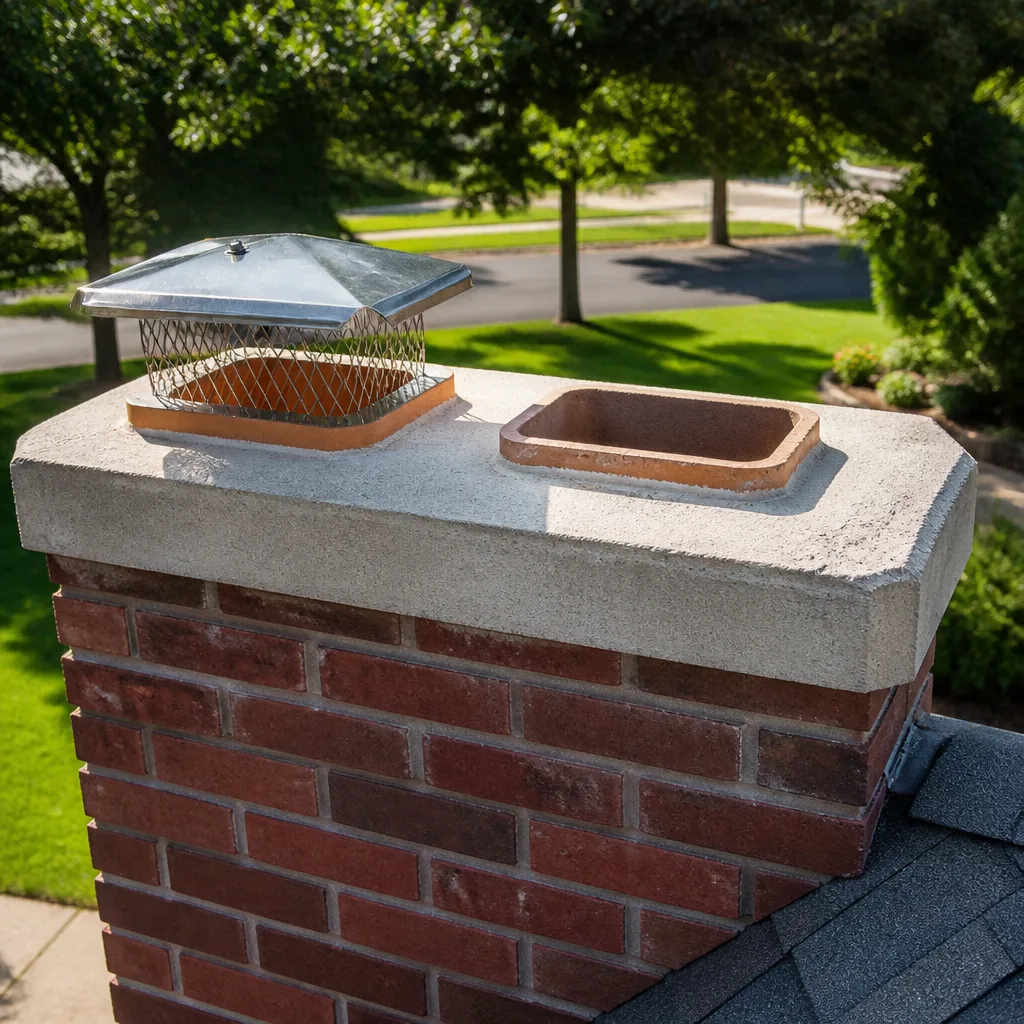 Sweep & inspection
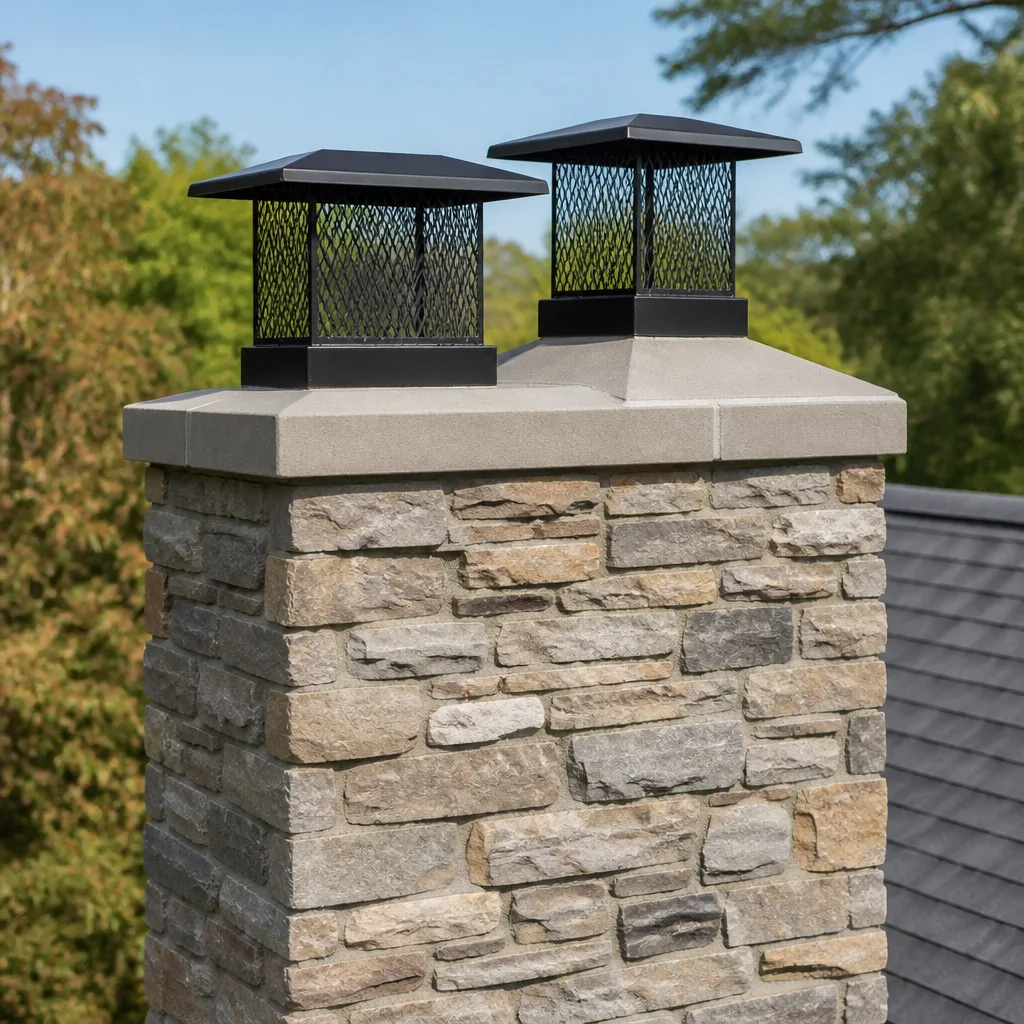 Caps & crowns
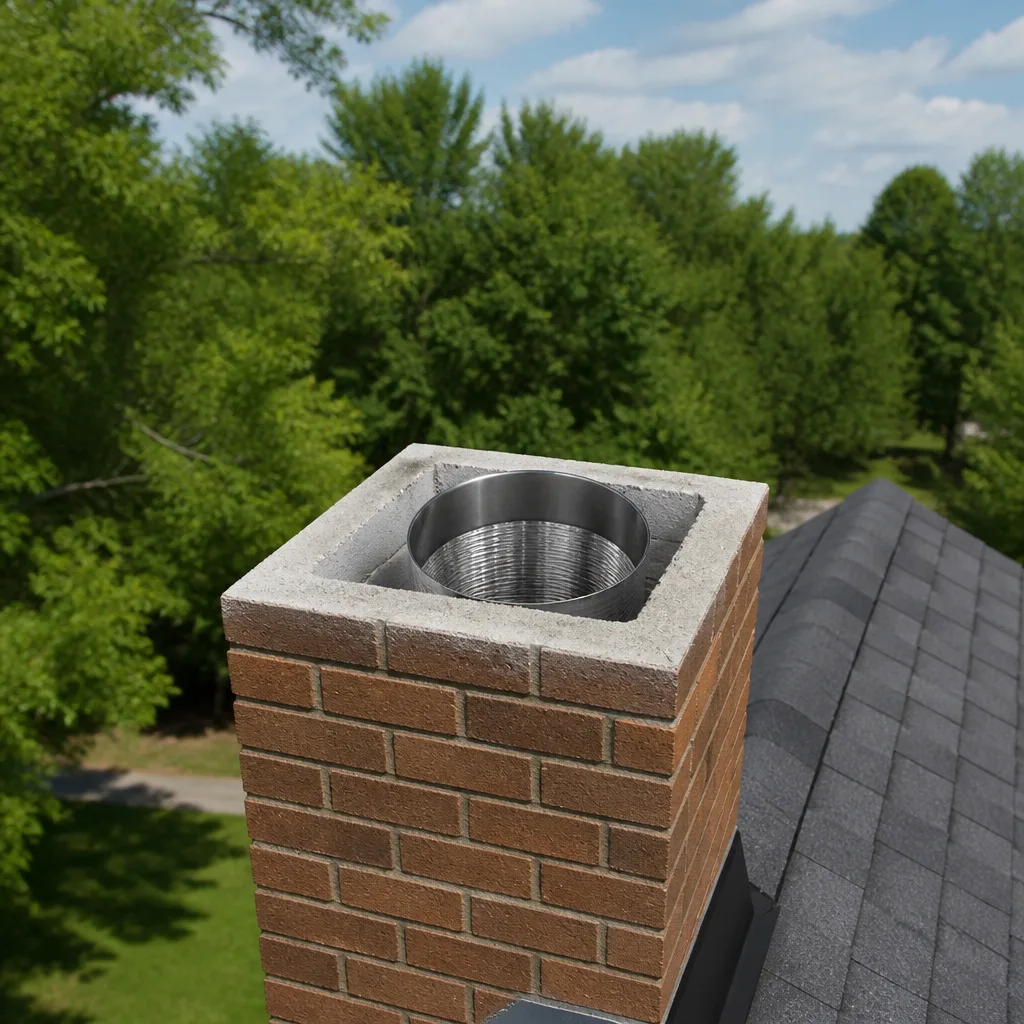 Flue relining
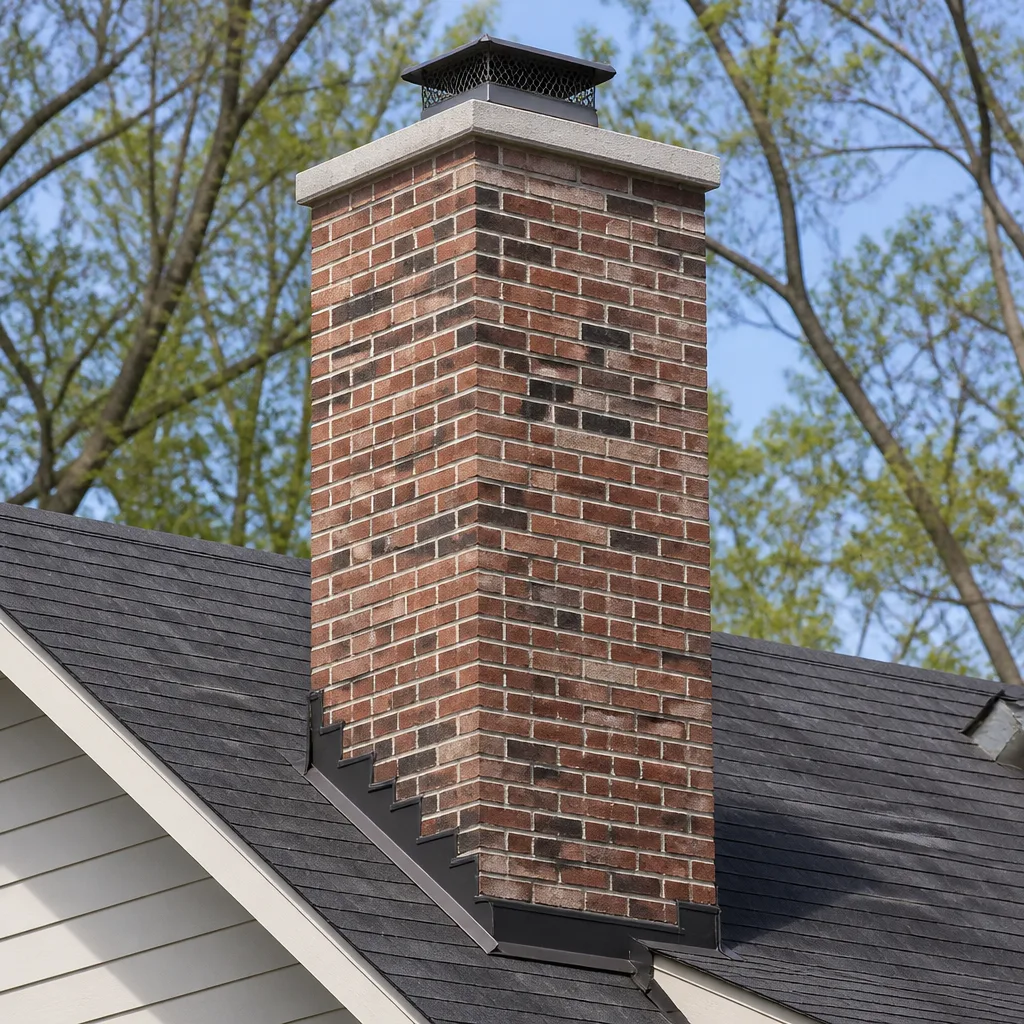 Masonry repair
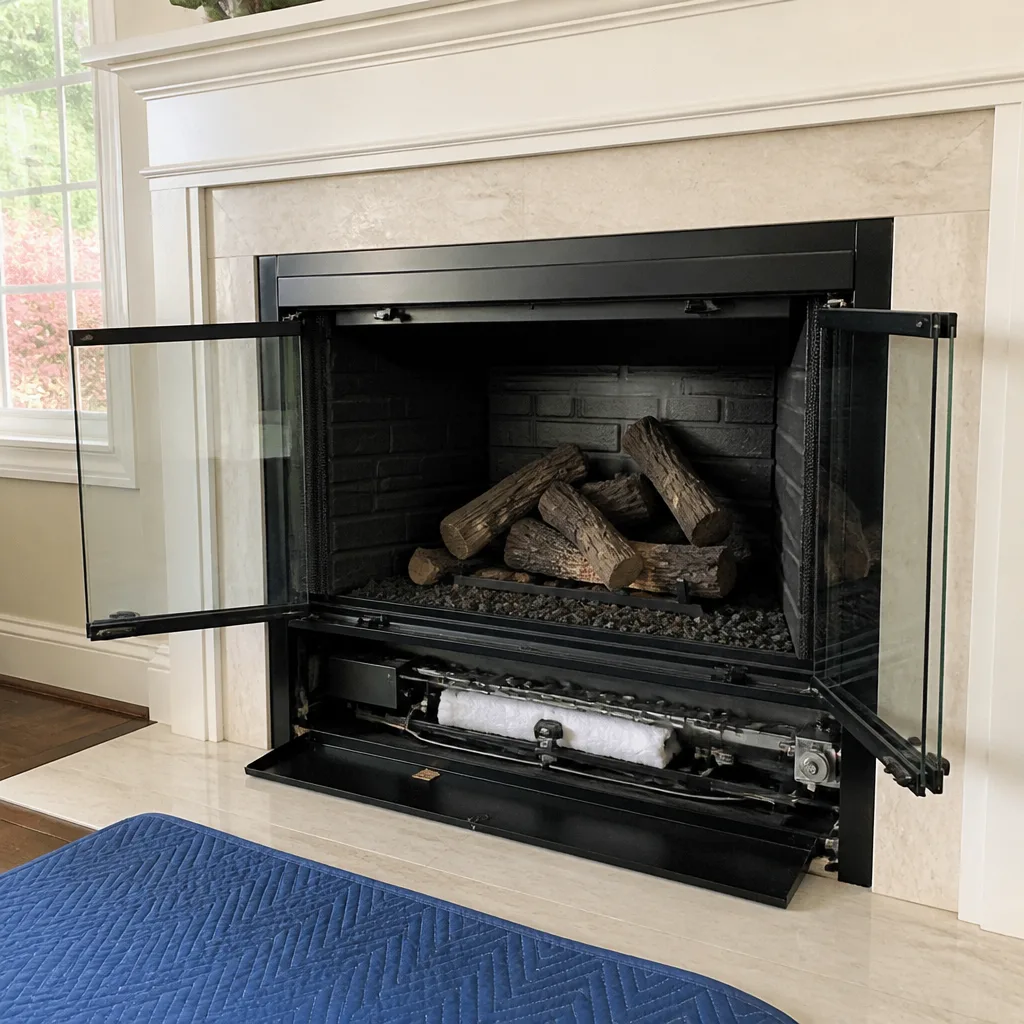 Gas fireplace service
Level 1 sweep and inspection to the NFPA 211 annual standard - flue, crown, cap, and flashing checked and photographed
Chimney sweep logs do not sweep chimneys. They loosen some creosote - which then falls where a brush and vacuum still have to collect it.
How to Hire a Chimney Cleaning Contractor in Inwood: A Step-by-Step Guide
New York State does not require a specific license to sweep a chimney. That single fact reshapes everything about hiring in this trade. The person quoting you $89 on a printed flyer and the CSIA Certified Chimney Sweep charging three times that amount can hold the same general business paperwork, operate legally, and still be worlds apart in what actually happens inside your flue. Until something goes wrong, nothing distinguishes them on paper. What separates them is what you learn by asking the right questions before anyone climbs onto your roof. In this guide we’ll walk through exactly what to ask, how to verify trade credentials, how to read a quote without getting lost in mismatched line items, and the red flags that show up again and again in low-bid chimney offers around Inwood and the rest of Queens.
Quick Answer
To hire a chimney cleaning contractor in Inwood, verify CSIA Certified Chimney Sweep and, where relevant, NFI certification first, then confirm the scope in writing: the inspection level, what equipment they use, and whether you get a written report with photos. Get two or three itemized quotes so you can compare the same work, and never approve a repair on the spot without a report you can read. A general business license tells you almost nothing in this trade; the certification and the written findings tell you everything.
Styles & brands we work with
- Sweep & inspection
- Caps & crowns
- Flue relining
- Masonry repair
- Gas fireplace service
Table of Contents
- Why hiring a chimney contractor in Inwood is harder than it looks
- What CSIA and NFI credentials actually mean
- How to verify a chimney sweep’s credentials
- The five questions to ask before you book
- Red flags in low-bid chimney offers
- How to compare quotes fairly
- What a legitimate service agreement includes
- Common mistakes to avoid
- When to call a professional
- Frequently asked questions
Why hiring a chimney contractor in Inwood is harder than it looks
Most home services in New York are licensed at the state level. Chimney sweeping is not one of them. There is no state-issued chimney sweep license, no standardized exam administered by Albany, and no public registry you can pull up to see whether the person quoting your job has ever actually swept a flue. That regulatory gap is the core problem. It means the market splits into two very different groups: specialists who’ve invested in trade certification and professional equipment, and generalists who’ve added “chimney cleaning” to a broader home-services menu and treat it as a side job between gutter cleanings.
In Inwood the housing stock makes this matter more than in newer suburbs. A lot of the neighborhood’s homes are older, many with masonry chimneys that have been in service for decades. Those flues accumulate creosote differently than modern liners do, and they’re more likely to have subtle structural issues that a quick brush-and-go won’t surface. When a generalist sweeps an older Inwood chimney, they often clean what they can reach and leave without reporting what they saw. A specialist treats your chimney as a system, from the firebox to the cap, and inspects the whole thing on every visit.
There’s also a climate factor that catches people here. Inwood sits in a humid, four-season climate with cold winters and hot summers. That freeze-thaw cycle works on masonry crowns and mortar joints year after year, and the results show up as hairline cracks that let water in. Most homeowners never see them because they’re on the roof. The point isn’t to scare anyone into work they don’t need. It’s that a sweep who doesn’t inspect the crown and cap isn’t really evaluating your chimney at all. This guide gives you the framework to tell the difference before you hand over money.
What CSIA and NFI credentials actually mean
A CSIA Certified Chimney Sweep credential is the closest thing this trade has to a professional standard. The Chimney Safety Institute of America is a nonprofit that administers a formal exam covering codes, venting theory, inspection protocol, and safety. To stay certified, a sweep has to recertify on a cycle, which means the credential reflects current knowledge rather than a test someone passed once and forgot. It’s not a government license. It’s a trade credential, and in a state with no chimney license, it’s the most meaningful single signal you can check.
NFI certification comes from the National Fireplace Institute and is more specific. It covers gas, wood, and pellet hearth appliances and the venting that goes with them. If your home has a gas fireplace insert or a wood stove rather than a plain open hearth, NFI certification speaks directly to whether the technician understands your appliance’s venting requirements. A sweep with both CSIA and NFI credentials has demonstrated knowledge across the full system, not just the brush-and-vacuum part.
Why does this matter more than a business license? Because a business license proves only that someone registered a company and paid a fee. It says nothing about whether they know the difference between a Level 1 and Level 2 inspection, whether they understand how a misaligned flue tile can allow carbon monoxide into a living space, or whether they’ve ever diagnosed a crown failure. In a trade with no state license, the certification is the evidence. We work with professional-grade materials from brands like DuraFlex, HeatShield, and Copperfield precisely because certified sweeps across the country rely on them for repairs that hold up. When you’re vetting a contractor in Inwood, ask about certification first.
How to verify a chimney sweep’s credentials
Asking is the first step. Verifying is the second, and most homeowners skip it. Anyone can put “certified” on a website. Here’s how to confirm it in a few minutes.
- Check the CSIA directory. The Chimney Safety Institute of America maintains a searchable list of certified sweeps. Search the technician’s name or the company name. If they claim CSIA certification and don’t appear, that’s a serious signal.
- Ask for the certification number. A legitimate certified sweep will have one and won’t hesitate to share it. If they can’t produce a number, treat the claim as unverified.
- Confirm which technician is arriving. A company can hold a certification while sending an uncertified helper. Ask whether the person doing the inspection is the certified individual, and get that in writing if it matters to your situation.
- Verify insurance and liability coverage. Ask for a certificate of insurance showing general liability. Chimney work involves ladders, roofs, and the inside of your home. Coverage should be current.
- Check for a physical business presence. A legitimate operation has a verifiable address and a track record you can look at. A flyer with a phone number and nothing else is not enough to book work.
Verification takes maybe ten minutes. It’s the ten minutes that keeps a bad hire off your roof. In our experience, the contractors who push back on it or get defensive are rarely the ones you want handling a flue inspection anyway.
The five questions to ask before you book
These are the questions that separate a specialist from a generalist. Ask them before you schedule, and listen to how the answers come back. A real professional answers directly, without hedging.
- “What level of inspection do you perform?” The National Fire Protection Association defines three inspection levels. Level 1 is a visual check of accessible portions with basic tools. Level 2 adds a camera inspection of the flue interior and is what’s typically expected when a home changes hands, when an appliance changes, or after a chimney fire. Level 3 involves opening walls or masonry and is rare. A sweep who can’t name the level they’re doing doesn’t have a defined process.
- “What vacuum system do you use, and is it HEPA-rated?” This one matters more than people realize. A proper chimney sweep runs a high-powered HEPA vacuum with the hose sealed to the firebox throughout the job, creating negative pressure so soot and dust stay in the flue instead of drifting into your living room. A shop vac and a drop cloth is not the same thing. If the answer is vague, expect dust.
- “Will I get a written report with photos?” Yes is the only acceptable answer. A written report documents what was found, what condition the flue is in, and what, if anything, needs attention. Photos let you see what the technician saw, which is the whole basis for trusting a repair recommendation.
- “How do you handle repairs you find, and can I get a separate quote?” A specialist tells you what they found, gives you a written quote, and lets you decide on your own timeline. Pressure to approve work on the spot is a red flag.
- “What brands and materials do you use for repairs?” For liner work, flexible systems like DuraFlex are common in retrofits and older, non-standard flue configurations where rigid liners won’t fit. For masonry flue resurfacing, HeatShield is a ceramic repair system certified installers use. Famco and Olympia Chimney components are also industry standards. If the answer is “whatever the supply house has,” that’s worth noting.
Five questions, five minutes. They’ll tell you more than any review you can find online. For context on what a professional chimney sweep visit should include, that page walks through the full process.
Red flags in low-bid chimney offers
A very low price isn’t automatically bad, but in this trade it usually signals a scope that’s been trimmed to hit a number. Here’s what to watch for.
- A vague scope. “Chimney cleaning” as a phrase tells you nothing. Does it include the flue from the top down, the firebox, the smoke chamber, the damper, and the cap? Does it include an inspection? If the offer doesn’t specify, assume the minimum.
- No written report. The quote is low because the deliverable is thin. If there’s no report, there’s no evidence anything was actually inspected. A sweep who cleans without documenting what they saw has left you with the same uncertainty you started with.
- Upsell pressure on the spot. The classic pattern is a cheap sweep that turns into a dramatic finding and a large repair quote, delivered verbally, before you’ve had time to think. Real findings come with evidence. If the technician can’t show you the problem on camera, don’t approve the work.
- No certification, no insurance, or evasive answers to either. A contractor who can’t produce a CSIA number or a certificate of insurance has removed the two things you could verify.
- Cash-only, no written estimate. A legitimate estimate is written and itemized, and the final price is set by that estimate. Cash-only with no paperwork makes it impossible to enforce any warranty later.
- No physical address and no local track record. Chimney work is seasonal, and out-of-area operators move through neighborhoods during peak season. A contractor with no verifiable local presence is harder to hold accountable.
None of this is about price alone. An honest sweep can quote low for a simple job. The tell is whether the scope is defined, the report is written, and the technician respects your right to review findings before approving anything.
How to compare quotes fairly
The single hardest part of hiring is comparing quotes, because different contractors describe the same job differently. One writes “sweep and inspect.” Another writes “Level 1 inspection, flue brush, HEPA vacuum, firebox clean, cap check, written report.” Another breaks out labor, materials, and disposal. If you line those up side by side, they look like three different jobs. They might be. Or they might be the same work described at three levels of detail.
To compare fairly, force every quote into the same structure. Ask each contractor to state:
- The inspection level (1, 2, or 3) and whether a camera is used
- Whether the flue, firebox, smoke chamber, damper, and cap are all included
- Whether the vacuum is HEPA-rated and sealed to the firebox
- Whether a written report with photos is included
- The exact materials and brands for any proposed repair, broken out as a separate line
- Whether there’s a warranty on materials and how long it lasts
Once every quote has those same six items, the comparison is real. A quote that’s $60 cheaper but omits the camera inspection and the written report isn’t cheaper. It’s a smaller job. In Inwood, where older homes are more likely to need the camera to see what’s inside the flue, that difference can mean the difference between catching a cracked flue tile and missing it for another season. Our chimney repair page explains what goes into the diagnostic side of that work.
The written estimate sets the final price. That’s the standard to hold everyone to. If the estimate and the invoice don’t match, ask why before you pay. For more on how a proper quote is structured, our guide to chimney cap & crown work shows how those line items are typically built.
What a legitimate service agreement includes
A service agreement is the document that protects you after the technician leaves. In this trade, it’s often informal, which is exactly why you should ask what it includes before booking. A legitimate agreement, whether it’s a page or a full contract, covers these things:
- Liability coverage. Confirmation that the contractor carries general liability insurance, with proof on request. If a ladder goes through a roof tile or a vacuum hose damages a mantel, coverage matters.
- Scope and inspection level in writing. The agreement should name the level of inspection and the components covered. “Chimney cleaning” alone is not a scope.
- Written findings. A written report delivered after the visit, with photos where relevant. This is the document you’d rely on if you ever need to prove the condition of the chimney to an insurer or a home buyer.
- Warranty on materials used. If a liner or a crown repair is installed, the agreement should state how long the materials are warranted and what the warranty covers. Products like HeatShield and DuraFlex carry manufacturer warranties that a proper installer passes along.
- Clear pricing. The written estimate sets the final price. Any change should be quoted in writing and approved before the work continues.
- No hidden upsell clause. The agreement shouldn’t condition the base service on approving additional work.
None of this is exotic. It’s how a specialist works. A specialization in chimneys and fireplaces only, rather than a menu of unrelated trades, tends to show up in the paperwork. Contractors who do this daily have a defined scope, a real report, and a warranty because that’s the job. Call (844) 625-7414 with questions about what a written estimate and inspection report from us includes. We answer 24/7, with fast dispatch from 7am to 7pm, Sunday through Friday.
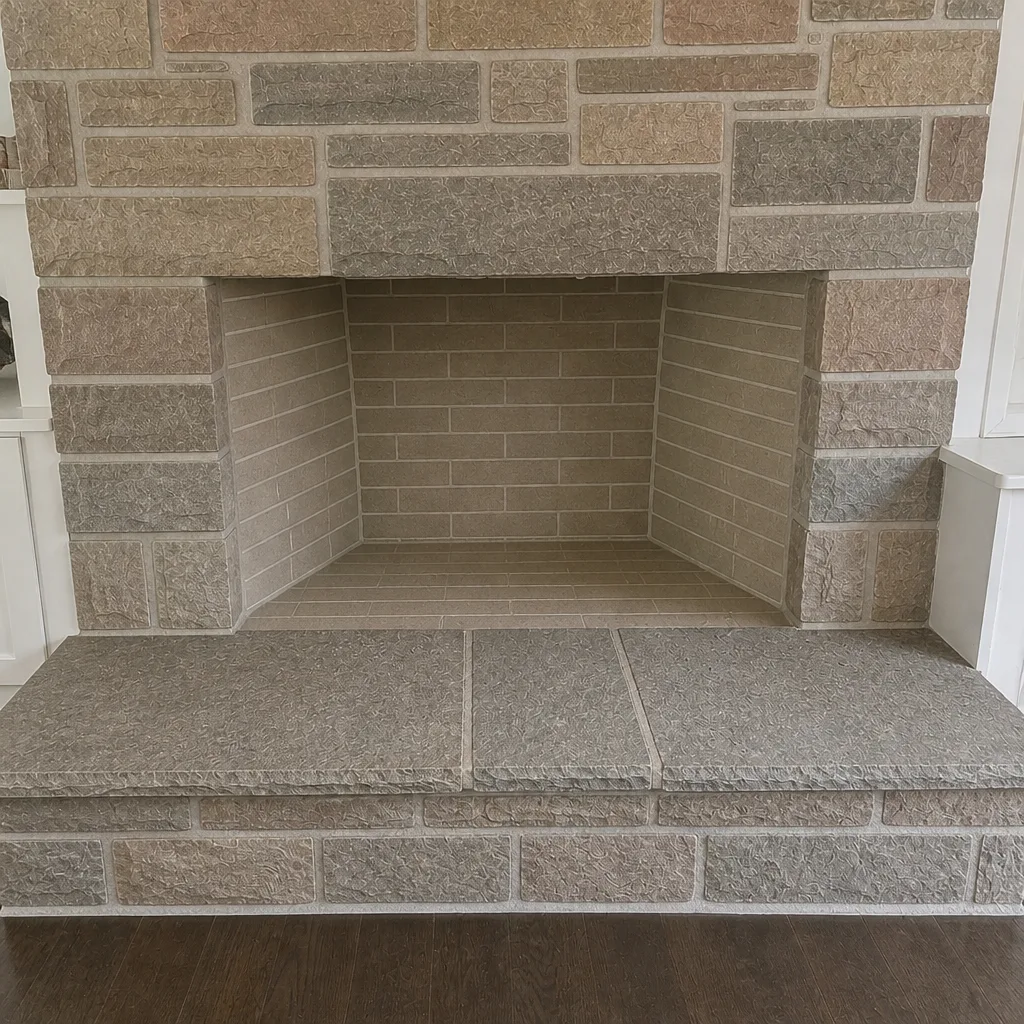
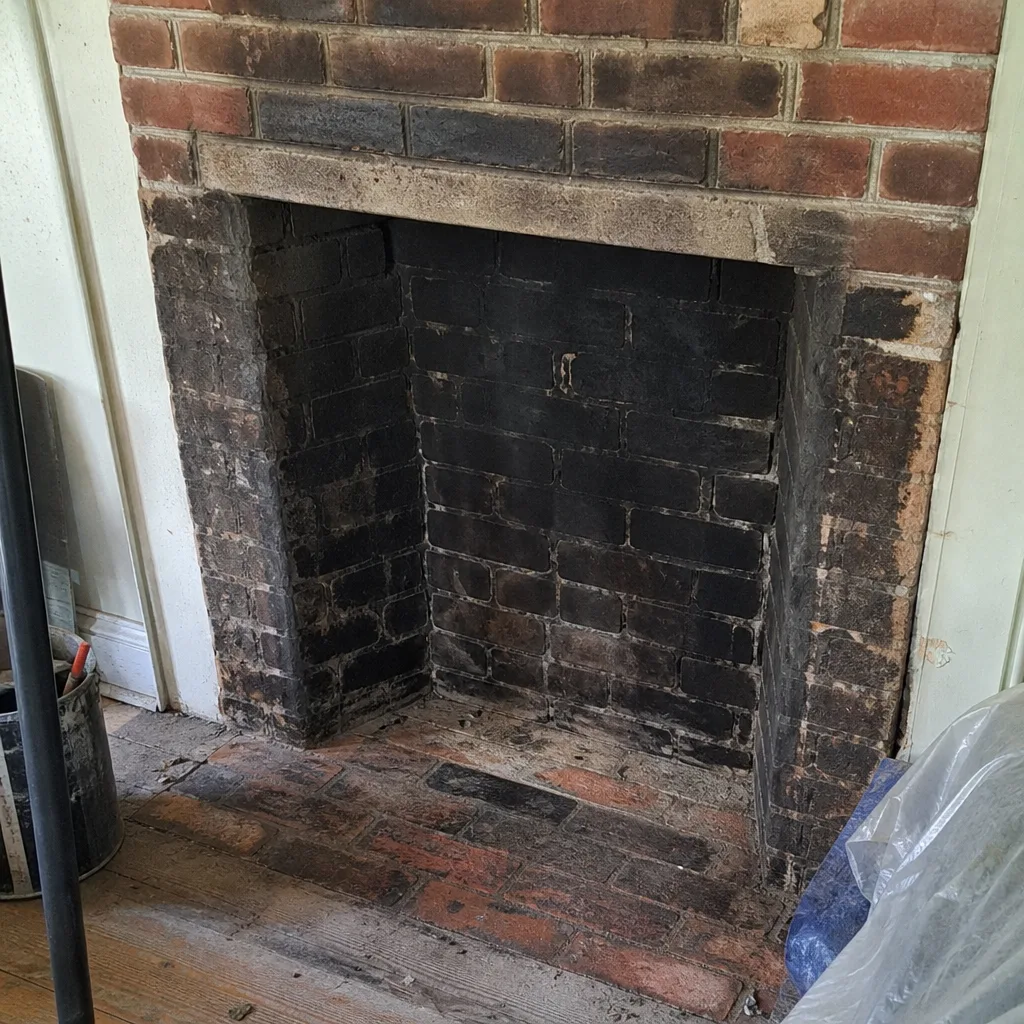
See the difference
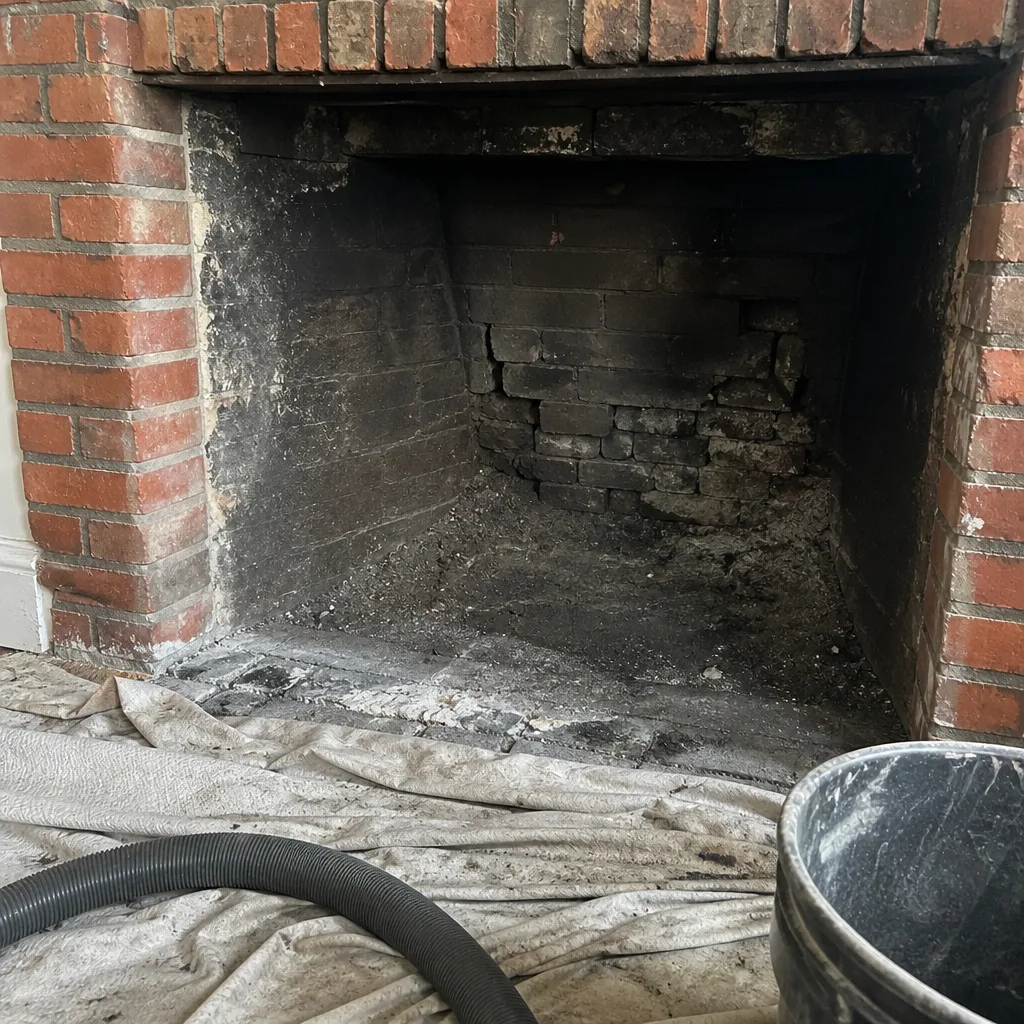 Before
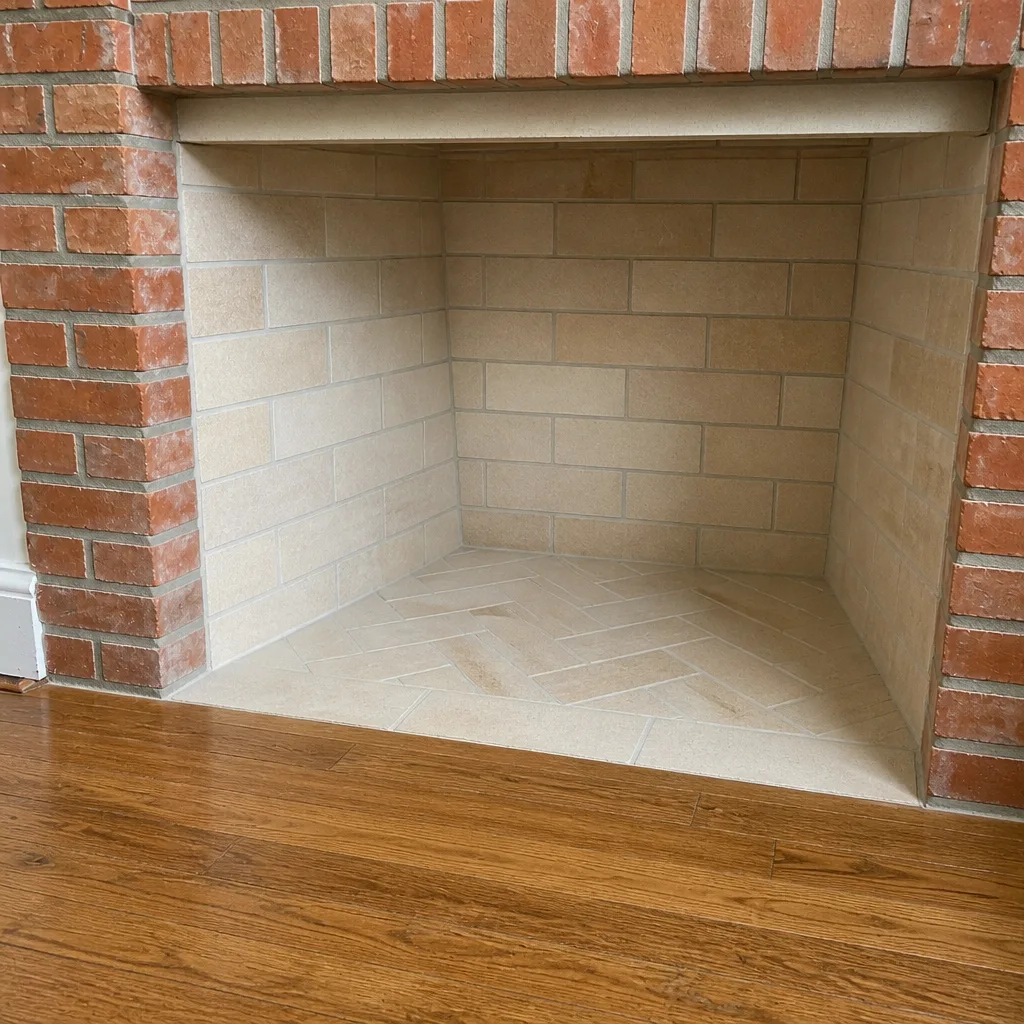 After
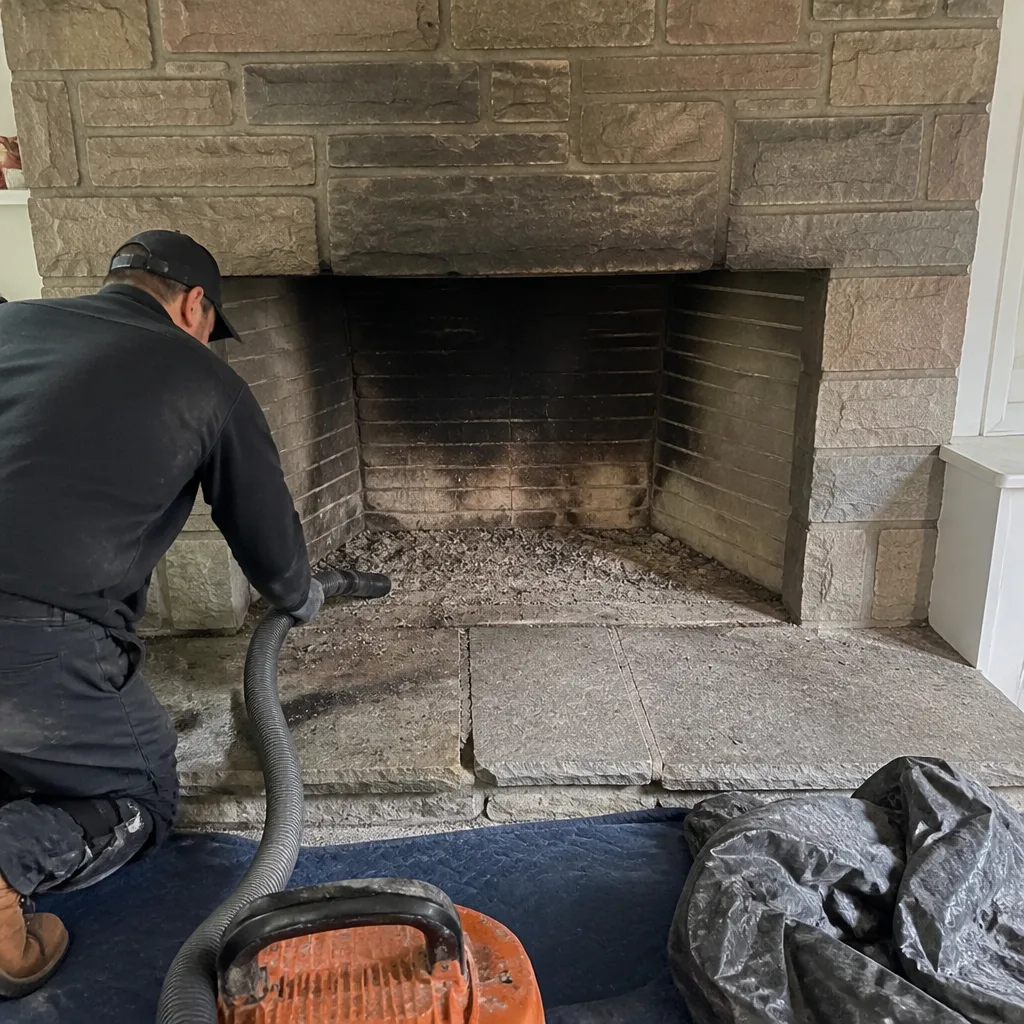 Before
 After
 Before
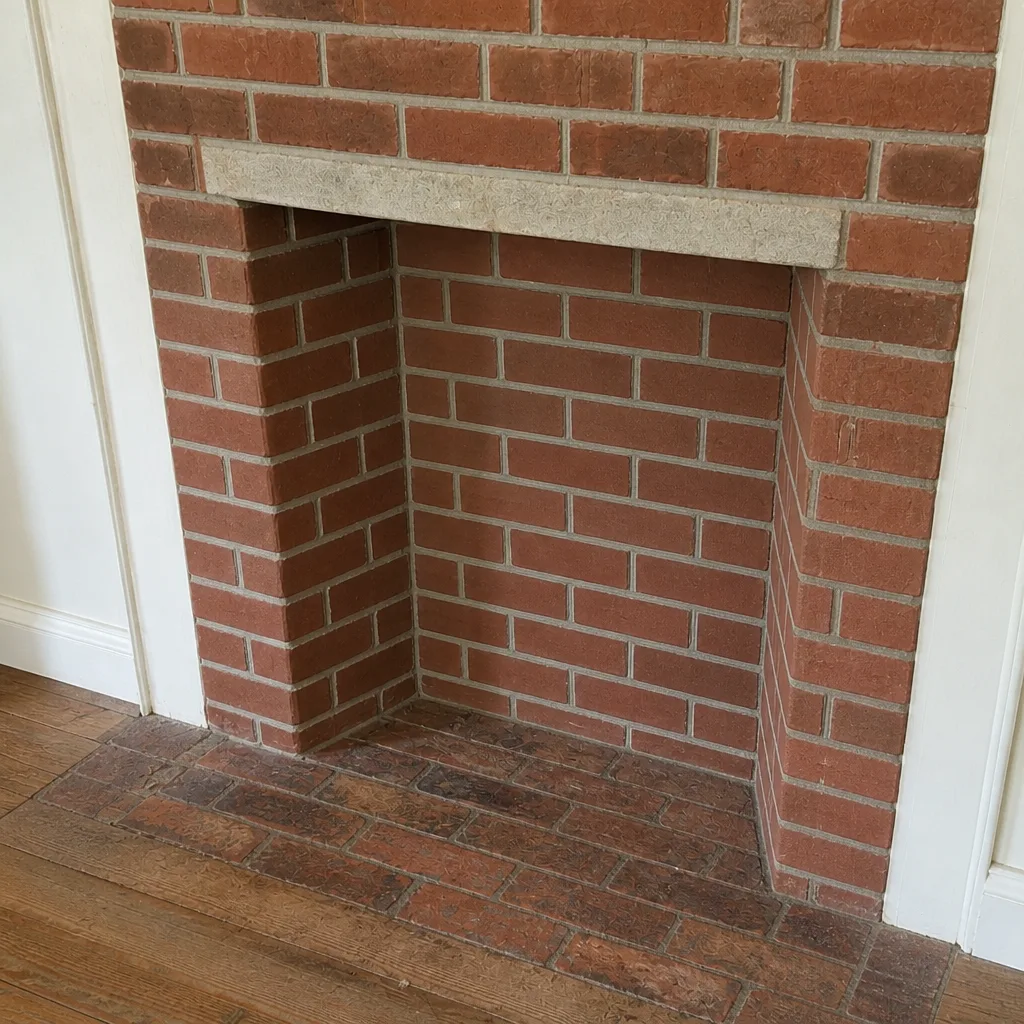 After
Common Mistakes to Avoid
- Booking on price alone without checking certification. The cheapest quote often excludes the inspection entirely. In a state without a chimney license, certification is the credential to check first, not the price tag.
- Skipping verification and trusting the website. “Certified” on a homepage is a claim. The CSIA directory is the check. If a contractor can’t be found there, that’s the answer.
- Approving a repair on the spot without a report. Findings should be written and photographed. If you can’t see the evidence, don’t approve the work, no matter how reasonable it sounds in the moment.
- Assuming a general contractor covers chimney work. Chimney venting, liner systems, and masonry repair are specific trades with specific requirements. A general handyman may handle the cleaning and miss the diagnosis that matters.
- Letting a chimney go years without an inspection. Homeowners in Inwood often rely on a fireplace seasonally and forget the flue between uses. Annual inspections catch creosote buildup and crown cracks before they become expensive.
- Ignoring the cap and crown. Those are the parts that keep water out. If the sweep doesn’t mention them, the inspection wasn’t complete.
- Assuming a cheap sweep is a bargain. A sweep that costs less because it does less isn’t saving you money. It’s leaving the system unexamined, and that’s the expensive outcome.
When to Call a Professional
Some signs are obvious. A strong creosote smell, visible soot on the firebox, or smoke coming back into the room when the damper is open all point to a problem that needs a professional look. Others are quieter. If it’s been more than a year since the last sweep and you burn wood regularly, it’s time. If you’ve moved into a home in Inwood and don’t know when the chimney was last inspected, schedule a Level 2 inspection before you light the first fire. If you see water stains on the ceiling near the chimney or crumbling mortar at the crown, get someone out to look. Creosote buildup and flue blockages are fire hazards, and carbon monoxide from a blocked or damaged flue is a serious risk. These are reasons to have a trained professional handle the diagnosis, not reasons to climb up there yourself.
Chimney Sweep Inwood offers free estimates in Inwood. Call (844) 625-7414. We answer 24/7. Fast dispatch from 7am to 7pm, Sunday through Friday.
Frequently Asked Questions
Check for CSIA Certified Chimney Sweep certification and verify it in the CSIA directory, then ask for a certificate of insurance. New York State doesn’t issue a chimney sweep license, so the CSIA credential is the most meaningful signal you can check. Ask whether the technician arriving is the one who holds the certification. Call (844) 625-7414 for an exact quote; estimates are free.
A Level 1 inspection is a visual check of accessible parts of the chimney with basic tools. A Level 2 adds a camera inspection of the flue interior and is typically expected when a home changes hands or an appliance changes. In older Inwood homes, the camera often reveals what a visual check can’t. Ask which level you’re getting before you book, and get that answer in writing.
Ask whether it’s HEPA-rated and whether the hose is sealed to the firebox throughout the job. A proper setup creates negative pressure that keeps soot and dust in the flue instead of drifting into your living room. A shop vac and a drop cloth isn’t the same equipment. If the answer is vague, expect dust on your furniture. Call (844) 625-7414 with questions about how a visit works. We answer 24/7. Fast dispatch from 7am to 7pm, Sunday through Friday.
New York State doesn’t currently require a specific license to sweep chimneys, so the trade is regulated unevenly. That’s why certification and written reports matter more here than in licensed trades. The state credential doesn’t exist to check, so the trade credential and the insurer’s certificate do the work. Contractors who’ve invested in certification and professional-grade materials are the ones to prioritize.
Only approve work after you’ve seen the written report and any photos of what was found. On-the-spot pressure, especially on a low-cost sweep, is one of the clearest red flags in this trade. A legitimate finding comes with evidence, and a legitimate contractor is fine with you taking a day to review it. Nothing is recommended without evidence you can see for yourself.
For liner retrofits, DuraFlex flexible systems are common where older flues are non-standard. For masonry flue resurfacing, HeatShield is the ceramic repair system certified installers use. Famco and Olympia Chimney components are also industry standards. Ask what brand is specified and why, and make sure the quote names it. A quote that says “liner” with no brand and no warranty isn’t a quote you can compare.
The Bottom Line
Hiring a chimney contractor in Inwood comes down to verification, not price. New York doesn’t license the trade, so check the CSIA credential, confirm insurance, and insist on a defined scope and a written report with photos. Ask the five questions before booking, be wary of low bids that trim the inspection out, and force every quote into the same structure so you’re comparing the same work. A legitimate agreement covers liability, inspection level, written findings, and warranty on materials. Our team handles the full system, sweep through Chimney Sweep Inwood inspections and repairs, so nothing gets handed off mid-job. Call (844) 625-7414 for a free estimate. We answer 24/7. Fast dispatch from 7am to 7pm, Sunday through Friday. Our technicians have up to 9 years of experience, and every estimate is free.
Written by the team at Chimney Sweep Inwood.