
Last updated November 25, 2026
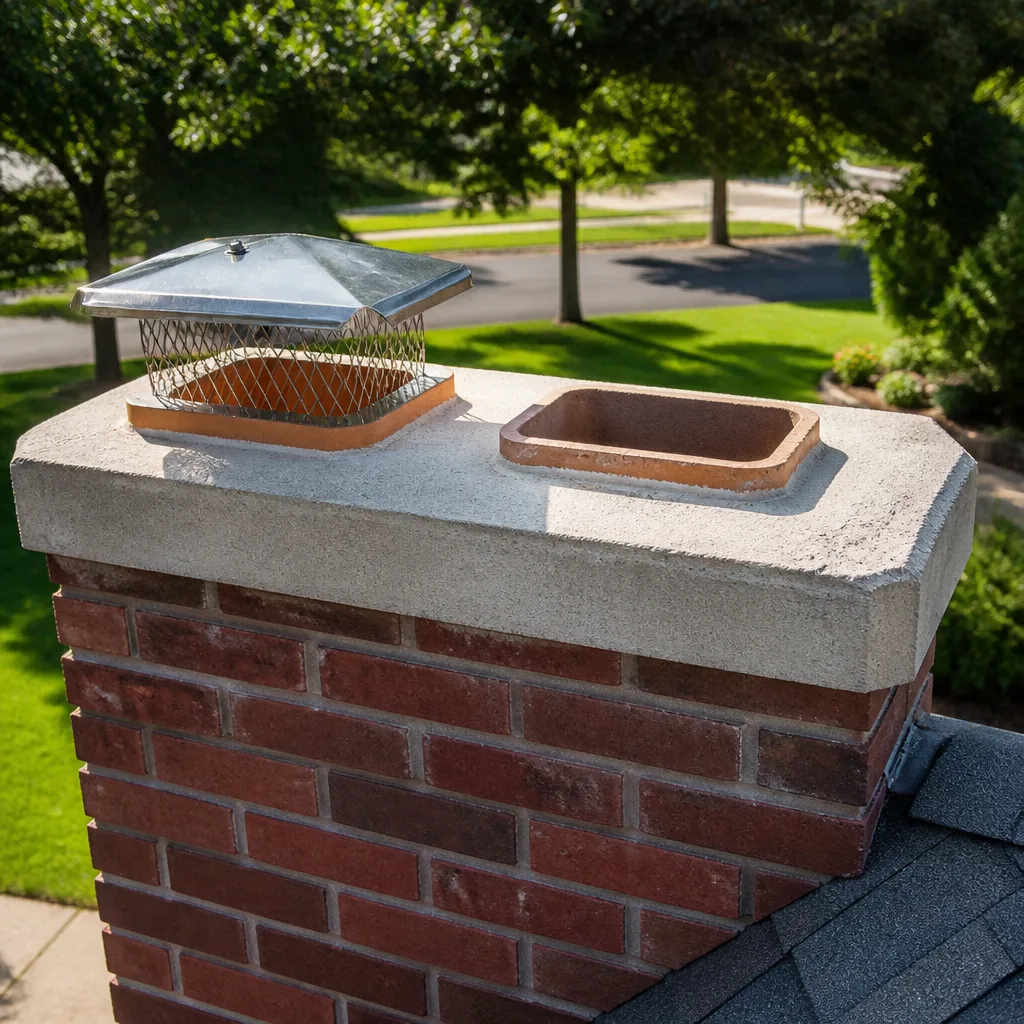 Sweep & inspection
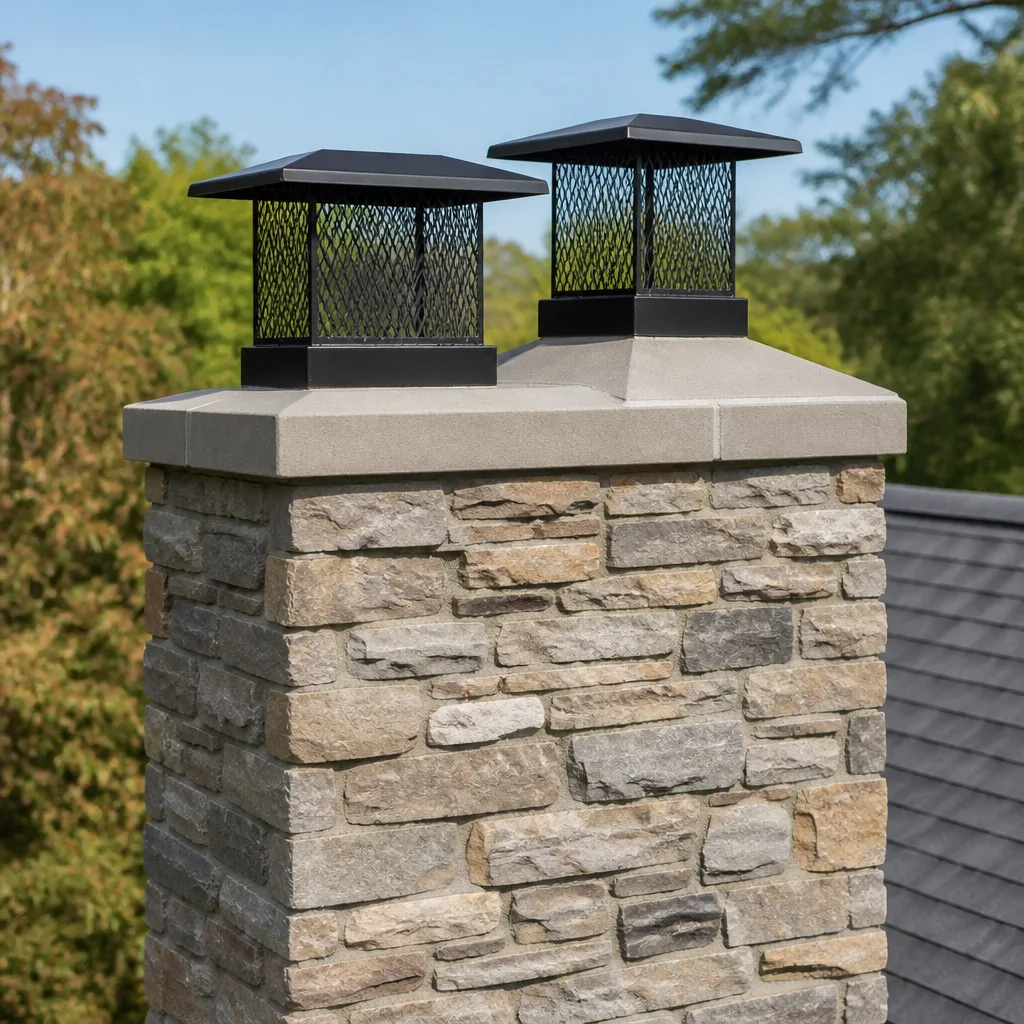 Caps & crowns
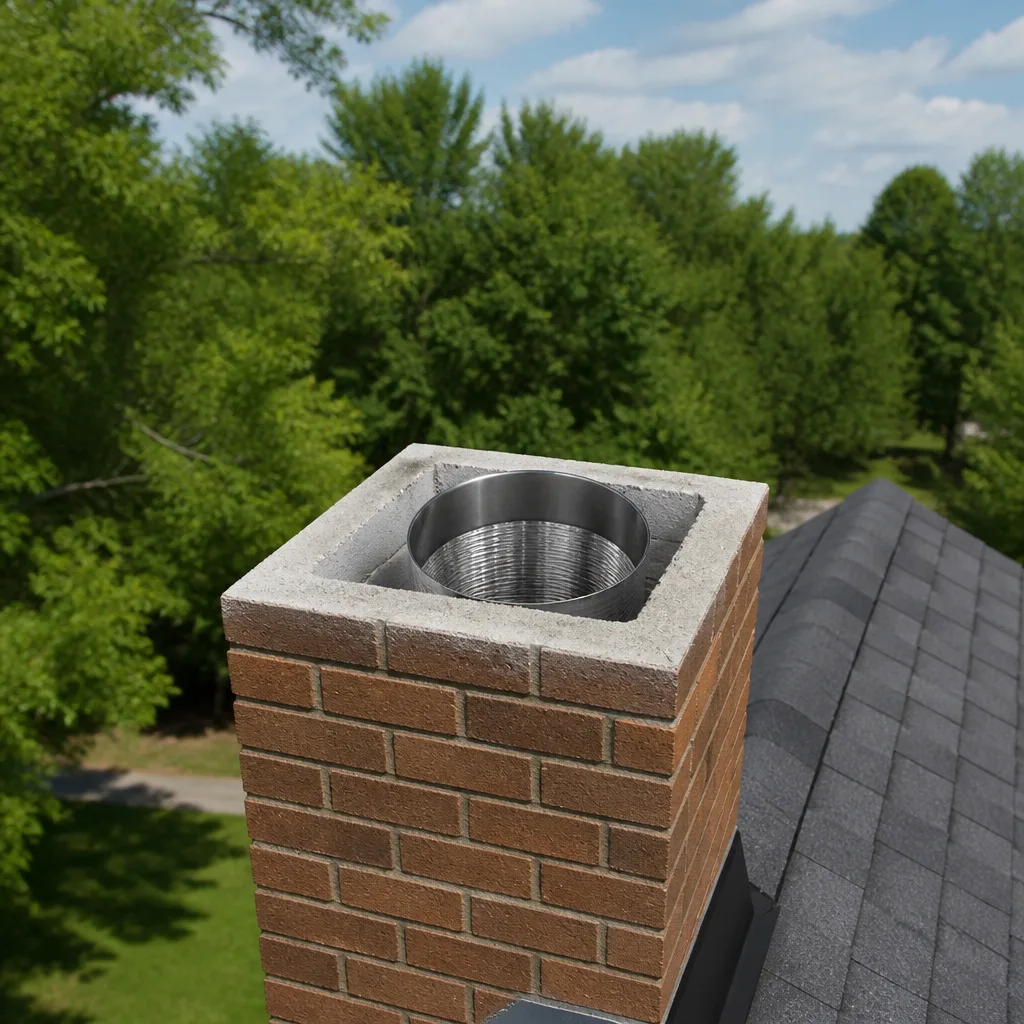 Flue relining
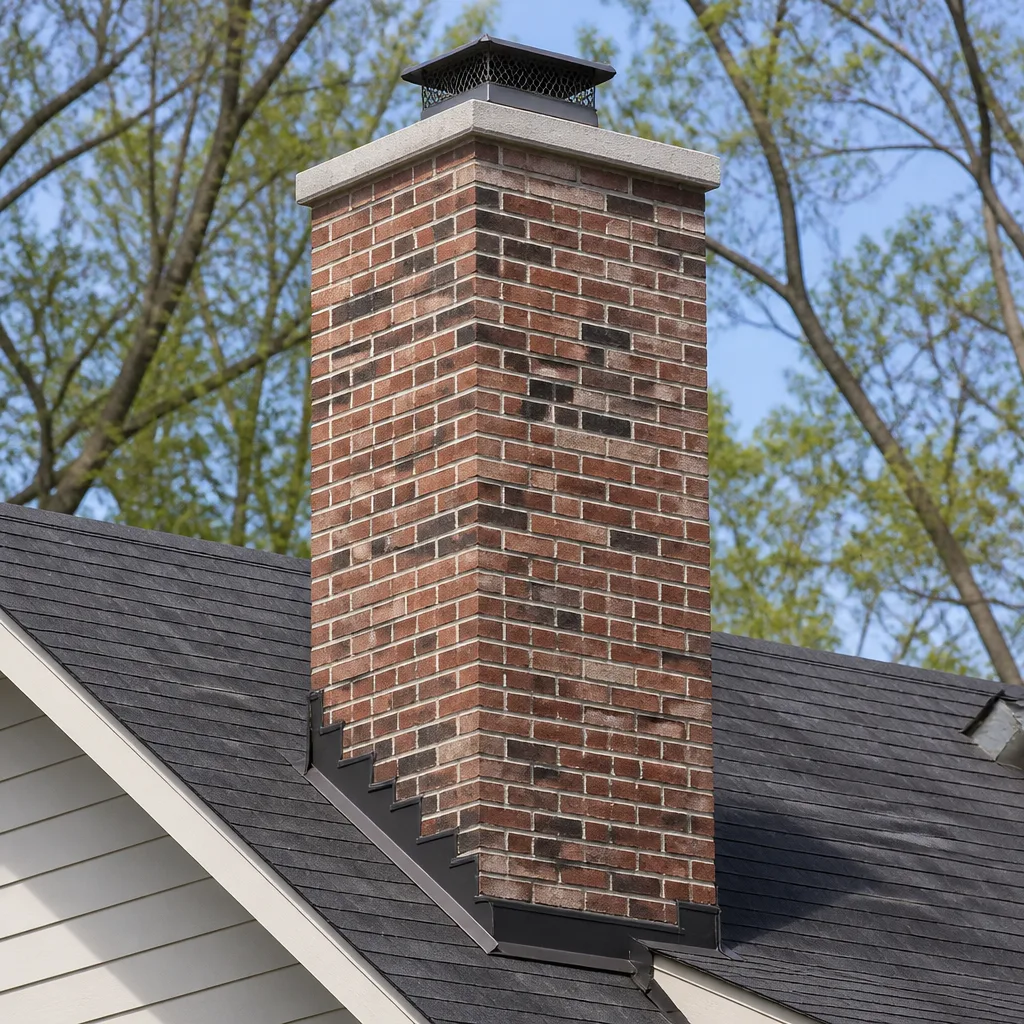 Masonry repair
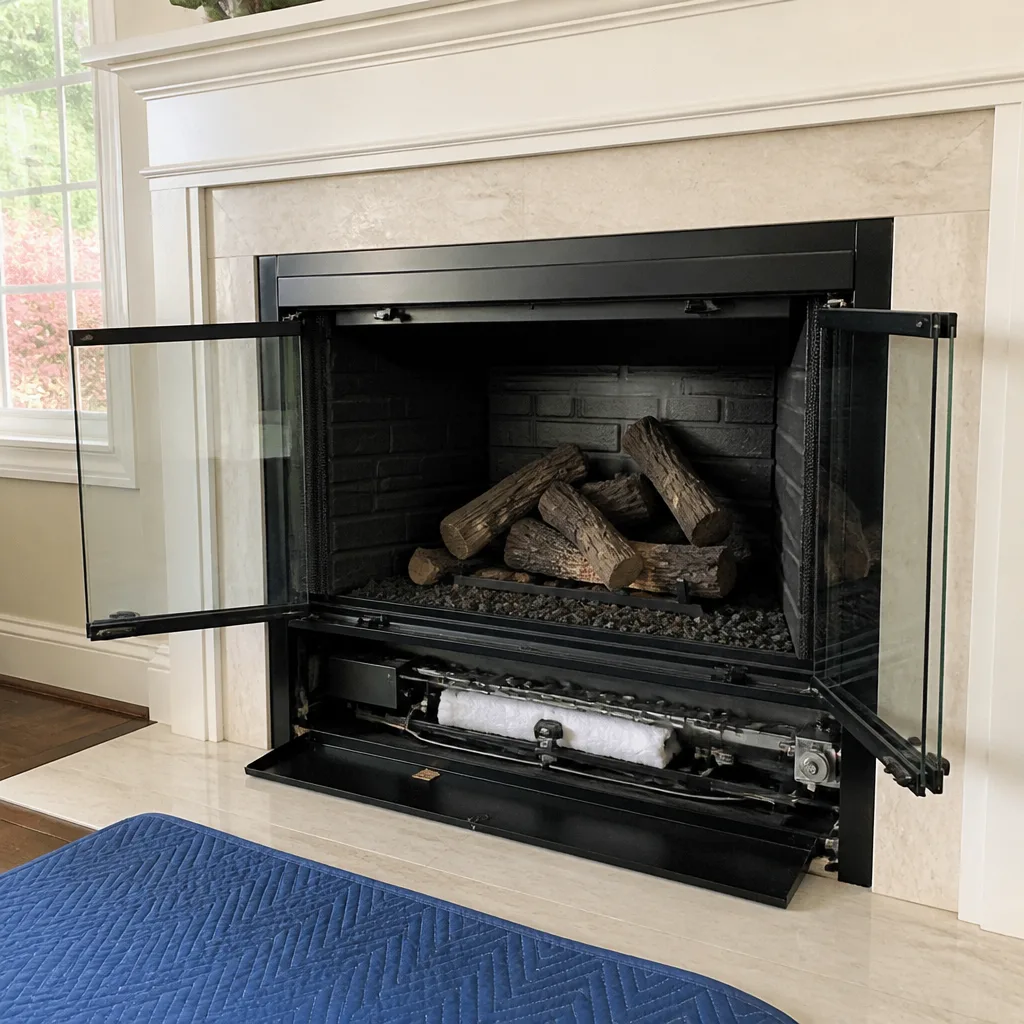 Gas fireplace service
Level 1 sweep and inspection to the NFPA 211 annual standard - flue, crown, cap, and flashing checked and photographed
Chimney sweep logs do not sweep chimneys. They loosen some creosote - which then falls where a brush and vacuum still have to collect it.
Chimney Cleaning Permits, Codes & Inspections in Inwood, NY: What You Need to Know
Most people assume any work on a chimney needs a permit. In practice, the opposite mistake is far more common: homeowners treat liner replacement or a firebox rebuild as routine maintenance, skip the permit, and only discover the gap years later when a buyer’s attorney or an insurance adjuster asks for documentation that doesn’t exist. The line between cleaning and alteration is specific, and it’s worth knowing before anyone touches your flue. This guide explains where that line sits in New York, how the building code and NFPA 211 work together for Inwood properties, what a Level 2 inspection actually certifies, and how to check permit history on a chimney before you buy a house.
Quick Answer
Routine chimney cleaning, sweeping, and inspection in Inwood, NY generally do not require a building permit because they are maintenance, not construction. Permitted work begins when the job alters the chimney system: liner replacement or relining, structural repair to the stack, firebox rebuilds, and any change to the flue’s size, configuration, or venting path. Inspection frequency and inspection standards fall under NFPA 211, while the physical work itself is governed by the New York City Construction Codes, including the maintenance provisions of Title 28. When the two point in different directions, the stricter requirement applies.
Styles & brands we work with
- Sweep & inspection
- Caps & crowns
- Flue relining
- Masonry repair
- Gas fireplace service
Table of Contents
- Where cleaning ends and permitted alteration begins
- How NYC Building Code Section 28 and NFPA 211 interact in Inwood
- What a Level 2 inspection means for a home sale or insurance claim
- How to pull permit history on chimney work done by previous owners
- The documentation a reputable contractor should hand you
- The three inspection levels and when each one applies
- What’s different about Inwood chimneys
- How a permitted chimney job actually runs, step by step
Where cleaning ends and permitted alteration begins
The distinction is simpler than most permit language makes it sound. Cleaning removes creosote, soot, and obstructions from a system that stays as built. Alteration changes the system itself. One is maintenance. The other is construction, and construction needs a permit.
In practical terms, here’s how the split usually falls for Inwood homeowners:
- No permit typically required: sweeping, creosote removal, a Level 1 or Level 2 inspection, cap replacement where the cap is a like-for-like swap on an existing crown, and minor mortar repointing at the crown edge that doesn’t change the structure.
- Permit typically required: installing or replacing a flue liner, converting an unlined flue to a lined one, rebuilding a firebox, reconstructing the chimney above the roofline, removing or adding a chimney, changing the flue’s diameter or shape, and any work that affects how the appliance vents.
The reason liner work sits firmly on the permit side is that a liner is the safety barrier between combustion gases and the masonry around it. Changing it changes the rated venting of the appliance. That’s a code question, not a housekeeping one. It’s also why a relining job done without paperwork is the single most common problem we find when a home sale surfaces old chimney work.
If you’re unsure which side a job falls on, ask the contractor to state plainly whether the work alters the venting system. A specialist will answer that in one sentence. When the answer is yes, the permit conversation should come before the estimate, not after. For the routine side of that split, a chimney sweep is maintenance from start to finish and needs no filing at all.
How NYC Building Code Section 28 and NFPA 211 interact in Inwood
Two rulebooks govern chimney work in Inwood, and they answer different questions. NFPA 211 is the national standard for chimneys, fireplaces, vents, and solid fuel appliances. It tells you what a safe chimney looks like and how it should be inspected. New York City’s construction and maintenance codes, including the provisions of Title 28, tell you what work requires a filing, who may perform it, and what has to be on record afterward.
In practice, that means:
- NFPA 211 sets the technical standard. It defines inspection levels, clearance requirements, liner condition criteria, and when a flue is considered unsafe to use. An inspector evaluates your chimney against this standard.
- The New York City code sets the administrative standard. It determines whether the job needs a permit, what inspections the work must pass, and what documentation ends up in the record.
- The stricter of the two applies. Where NFPA 211 says a deteriorated liner must be replaced and the city code says that replacement needs a filing, both requirements stand. Meeting one doesn’t excuse the other.
Homeowners in Inwood run into trouble when they treat these as interchangeable. A contractor who works to NFPA 211 but skips the filing leaves you with a technically sound chimney and no paper trail. A contractor who pulls the permit but installs a liner below the standard leaves you with a clean file and a compromised flue.
You want both. That’s part of why we work with professional-grade brands like DuraFlex for flexible liner retrofits and HeatShield for ceramic flue resurfacing: those materials are specified for the standard the inspection is measured against, and they’re recognizable to whoever reviews the job later. Inwood’s older housing stock makes this concrete. A flue that was built for coal and later connected to a wood stove or gas appliance is exactly the kind of configuration that gets evaluated against both rulebooks at once.
What a Level 2 inspection means for a home sale or insurance claim
A Level 2 inspection is a visual examination of the entire chimney system, including accessible portions of the flue interior, using video scanning where access allows, plus the attic, crawl space, and any concealed spaces the chimney passes through. It does not involve demolition. It does produce a record.
That’s the part that matters in a transaction. NFPA 211 calls for a Level 2 inspection whenever a property changes hands, whenever an appliance or fuel type changes, and after an event that may have damaged the chimney, such as a chimney fire or a building fire nearby. It’s the inspection a buyer’s attorney is implicitly asking about when chimney documentation comes up in a contract.
For an insurance claim, the Level 2 report does a different job. It establishes the condition of the chimney at a point in time and separates pre-existing deterioration from damage caused by a specific event. Carriers handle claims with that distinction in hand. Without a camera record, a claim can stall or come back reduced, because nobody can show what the flue looked like before.
Two practical notes for Inwood buyers and owners:
- Ask for the video file, not just the written summary. The scan is the evidence; the summary is somebody’s reading of it.
- Confirm the inspection level in writing before it’s performed. A Level 1 inspection covers the accessible portions of the system during normal use and won’t satisfy a sale or a claim.
If a chimney has never been documented and you’re within a year of listing, a Level 2 is the cheapest insurance you’ll buy on that transaction.
How to pull permit history on chimney work done by previous owners
New York City keeps permit records, and chimney work that required a filing should appear in them. Pulling that history is straightforward, and it’s worth doing before you close on an Inwood property rather than after.
- Search the Department of Buildings records for the address. The city’s online building information system lets you look up permit and violation history by block and lot or address. Ask your attorney or expediter for the search if you don’t want to run it yourself.
- Filter for chimney-related filings. Look for permits described as chimney, flue, liner, fireplace, or masonry work at the stack. The descriptions vary, so scan the whole permit list rather than searching one keyword.
- Check whether each permit was signed off. A permit that was pulled and never closed out is a red flag. It can mean the work stopped, failed inspection, or was done differently than filed.
- Compare what’s on file with what’s physically there. If the records show an unlined flue and there’s a stainless liner in the chimney, either the paperwork is missing or the work was done without a permit. Both need resolving before closing.
- Look for violations and stop-work orders. An open violation on a chimney can transfer with the property and become your problem after the deed records.
This is also where a Level 2 inspection does double duty. The camera scan tells you what’s physically in the flue. The permit history tells you whether anyone documented it. When the two disagree, you have leverage in the negotiation and a clear scope for what needs correcting. It’s a fair question to put to any contractor before you book: ask whether they can walk you through the permit history on your address and explain what they find. A specialist who does this routinely will have the answer ready.
The documentation a reputable contractor should hand you
For any permitted chimney job, you should end up holding a folder, physical or digital, that a future buyer’s attorney can read without calling anyone. If you don’t get it, ask. The right contractor won’t be surprised by the request.
What belongs in it:
- The permit itself, with the application number, and the final inspection sign-off once the work passes.
- The scope of work as filed, describing what was removed and what was installed, including the liner material and manufacturer.
- Manufacturer documentation for the liner system or repair material, so the next inspector can verify the product meets the listed standard.
- Before-and-after photos or video of the flue interior. This is the single most useful item in the folder ten years later.
- The inspection report that prompted the work, with the level stated.
- Any warranty paperwork that transfers with the material rather than expiring with the contractor.
The materials matter here too. When a liner is installed, the brand on the label is part of the record. DuraFlex flexible liner systems and Olympia Chimney components are specified widely enough that any subsequent inspector will recognize them without a phone call, and HeatShield’s ceramic resurfacing comes with its own documentation that a general contractor’s invoice won’t contain. We keep that paperwork with the job because the job isn’t really finished until the file is complete.
One more item worth asking for: the contractor’s own statement of what was not done. A report that says “liner replaced, crown sound, no work recommended at the firebox” is far more useful in a sale than a bare invoice, because it closes questions instead of opening them.
The three inspection levels and when each one applies
NFPA 211 defines three inspection levels, and knowing which one you need prevents paying for the wrong scope. Here’s the plain version:
- Level 1: routine, condition-of-use inspection. Covers readily accessible portions of the chimney, firebox, and connector during normal service. Appropriate for an annual checkup on a chimney that’s in regular use with no known problems and no changes to the system.
- Level 2: transaction and change inspection. Adds accessible attic, crawl space, and concealed spaces plus video scanning of the flue interior. Required when a property is sold, when an appliance or fuel is changed, or after a chimney fire or other potentially damaging event.
- Level 3: diagnostic inspection. Involves removing parts of the chimney or building construction to reach a suspected problem that a Level 2 couldn’t resolve. It’s targeted, not routine, and it only makes sense when there’s a specific defect in view.
In our experience, most Inwood homeowners need Level 1 most years and Level 2 at the moments that matter: buying or selling, switching from wood to gas or back, or after a chimney fire. A Level 3 is rare and always follows a documented reason.
Annual inspection is the baseline the standard assumes for a chimney in use, with sweeping scheduled to match how much you burn. A household burning regularly through the heating season typically needs sweeping more often than one lighting a fire a few times a winter. The inspection tells you which you are. If a contractor recommends a level without explaining why, ask. The answer should be specific to your system, not to the invoice.
What’s different about Inwood chimneys
Inwood’s housing stock runs from early twentieth-century apartment buildings to detached houses on the blocks near the parks and the ridge, and the chimneys reflect that range. Several things come up here more than they do in newer parts of the city.
Masonry flues built for another fuel. Many Inwood chimneys were built for coal and later connected to oil, gas, or wood appliances. The original flue was sized for the original appliance, and the current one may vent differently than the masonry was designed to handle. That’s a code question as much as a safety one, and it’s the reason a flue can look fine from the roof and still fail a Level 2.
Freeze-thaw wear at the crown and stack. Winters here cycle above and below freezing repeatedly, which works on mortar joints and crown edges season after season. Small cracks at the crown let water in, and water in masonry is the beginning of most of the structural repair we see. Crown and cap work is inexpensive compared to rebuilding a stack, which is why we treat it as part of the system rather than an upsell.
Liner deterioration that’s invisible from outside. Clay tile liners crack and spall with age, and a cracked tile lets combustion gases into the masonry. You can’t see it from the roof or the firebox. Only a camera scan shows it. In an older Inwood house that has never had the flue documented, that scan is the first thing worth doing.
Non-standard flue configurations. Offsets, transitions, and odd dimensions are common in buildings of this age, and rigid liner systems often can’t make the turns. Flexible systems exist for exactly this reason. When the flue geometry is unusual, that’s a materials decision before it’s a labor decision.
If you want the full system looked at, from the firebox to the cap, that’s what a proper chimney repair assessment covers, and it should include the crown, the flashing, and the masonry above the roofline, not just the flue.
How a permitted chimney job actually runs, step by step
Permitted work follows a sequence, and knowing it helps you tell whether a contractor is running the job properly. Here’s how it typically goes for a liner replacement or structural repair in Inwood:
- Inspection and scope. A Level 2 inspection establishes what’s actually wrong. Camera footage and photos go in the file.
- Written estimate and permit determination. The estimate states the scope, and the contractor confirms whether the work requires a filing. If it does, the permit application goes in before any material is ordered.
- Permit issued. You should see the permit number before work starts. If a contractor proposes to begin and file later, that’s worth a hard question.
- Installation. The old liner or damaged masonry comes out, and the new system goes in to the manufacturer’s specification for the appliance it serves.
- Inspection by the authority having jurisdiction. The work is inspected against the filed scope. Corrections, if any, happen before sign-off.
- Close-out and handover. You receive the signed-off permit, the manufacturer documentation, the before-and-after record, and the warranty paperwork.
The step homeowners most often miss is the last one. A job that passed inspection but whose paperwork never reached the homeowner is, functionally, an undocumented job ten years later. Chase the file. It’s yours.
One safety note that belongs in any guide about chimney work: the interior of a flue, the masonry above the roofline, and anything involving gas appliance venting are not places for homeowner investigation. Cracks, gaps, and deteriorated joints are easy to make worse and hard to see. A camera inspection costs far less than the consequences of guessing, and a trained technician is the right person to be on the roof and in the flue.
Common Mistakes to Avoid
- Treating a liner replacement as cleaning. This is the mistake that causes the most trouble down the line. A reline changes the venting system and needs a filing; a sweep doesn’t.
- Accepting a verbal “it’s all permitted” without a number. Permit numbers are checkable. Ask for it and look it up before the work begins, not after the invoice is paid.
- Skipping the Level 2 before listing an Inwood property. Buyers’ attorneys ask for chimney documentation, and a report produced after the contract is signed puts you in a weaker position than one produced before.
- Never pulling permit history on a house you’re buying. An unpermitted reline from a previous owner becomes your cost to correct, and it can surface at the worst possible moment in a closing.
- Assuming a clean-looking flue is a sound one. Cracked clay tiles and failed joints don’t show from the roof or the firebox. Only the camera scan does.
- Letting a general contractor handle liner work. Relining is a specialized trade with specialized materials, and the documentation trail matters as much as the installation.
- Filing the paperwork and never looking at it again. Keep the permit, the photos, and the manufacturer documents somewhere you’ll find them at sale. Future you will be grateful.
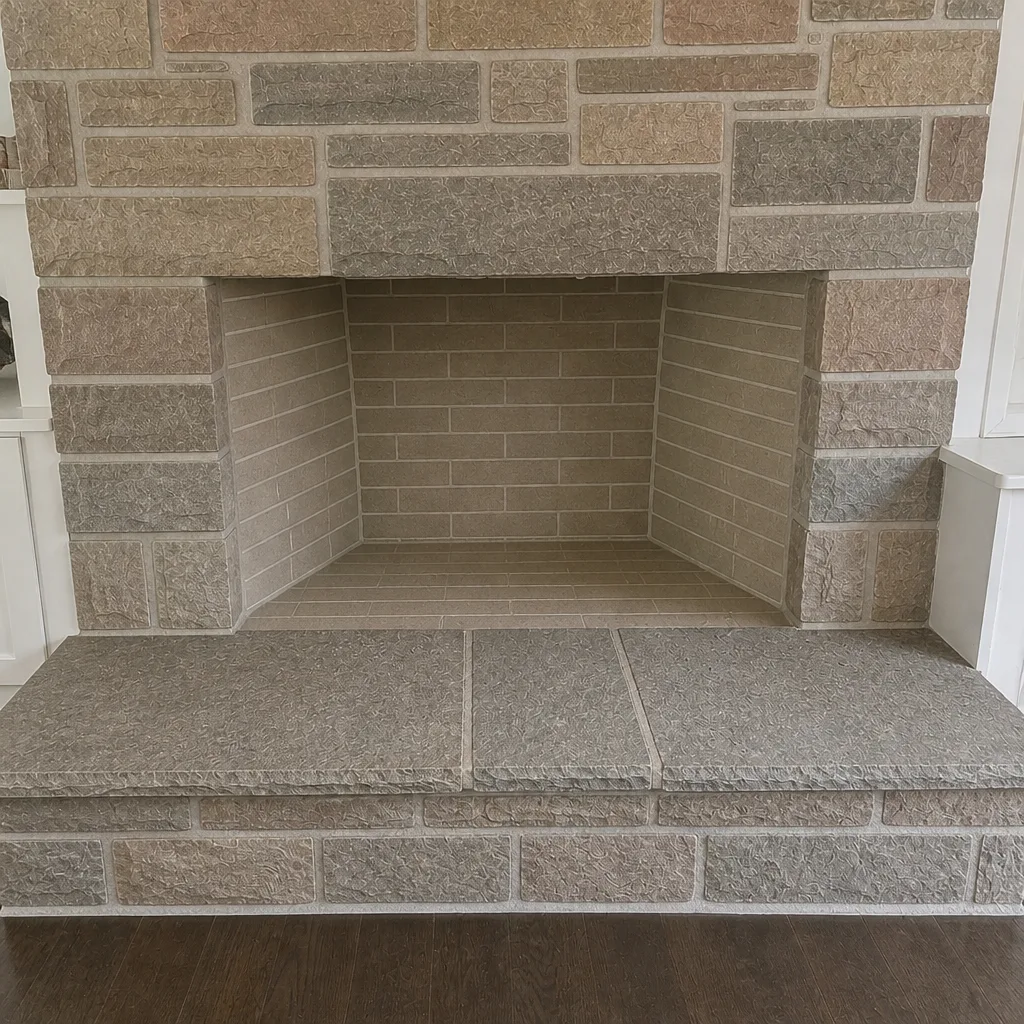
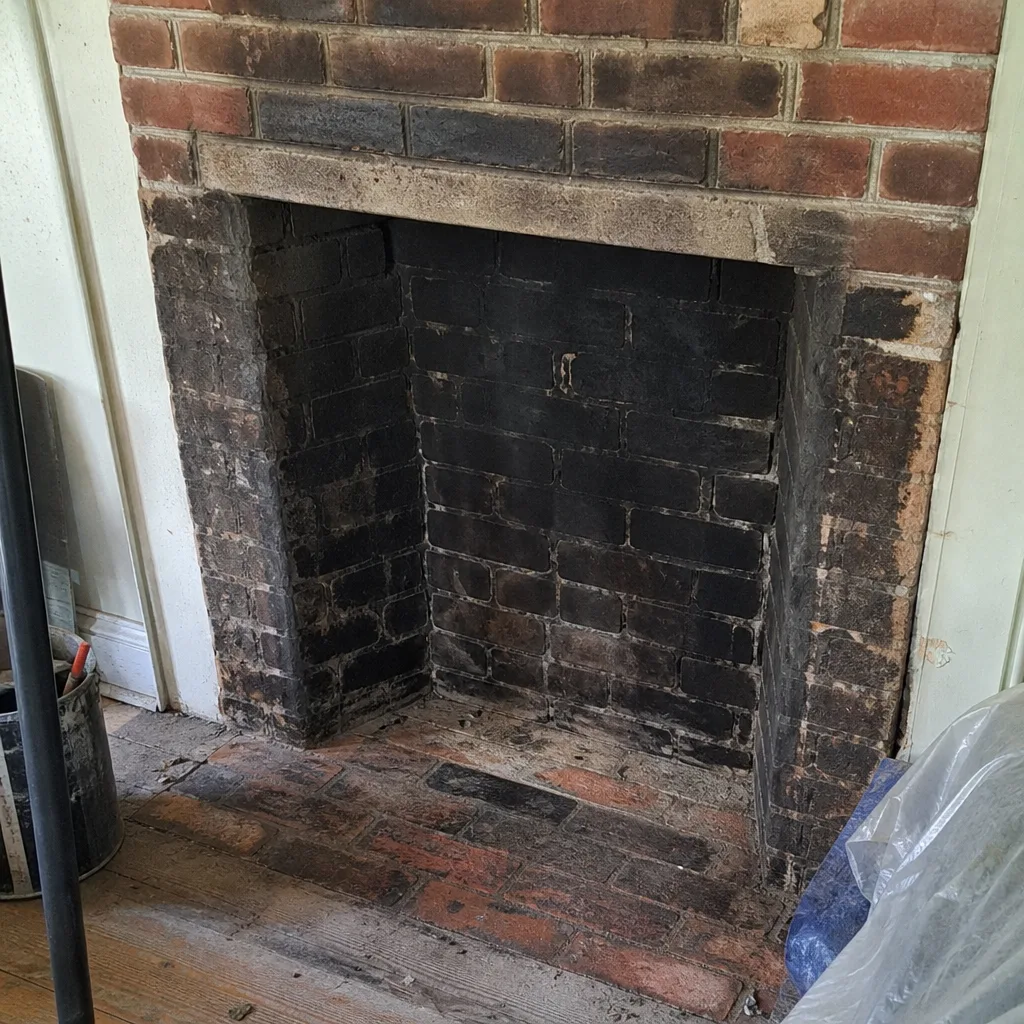
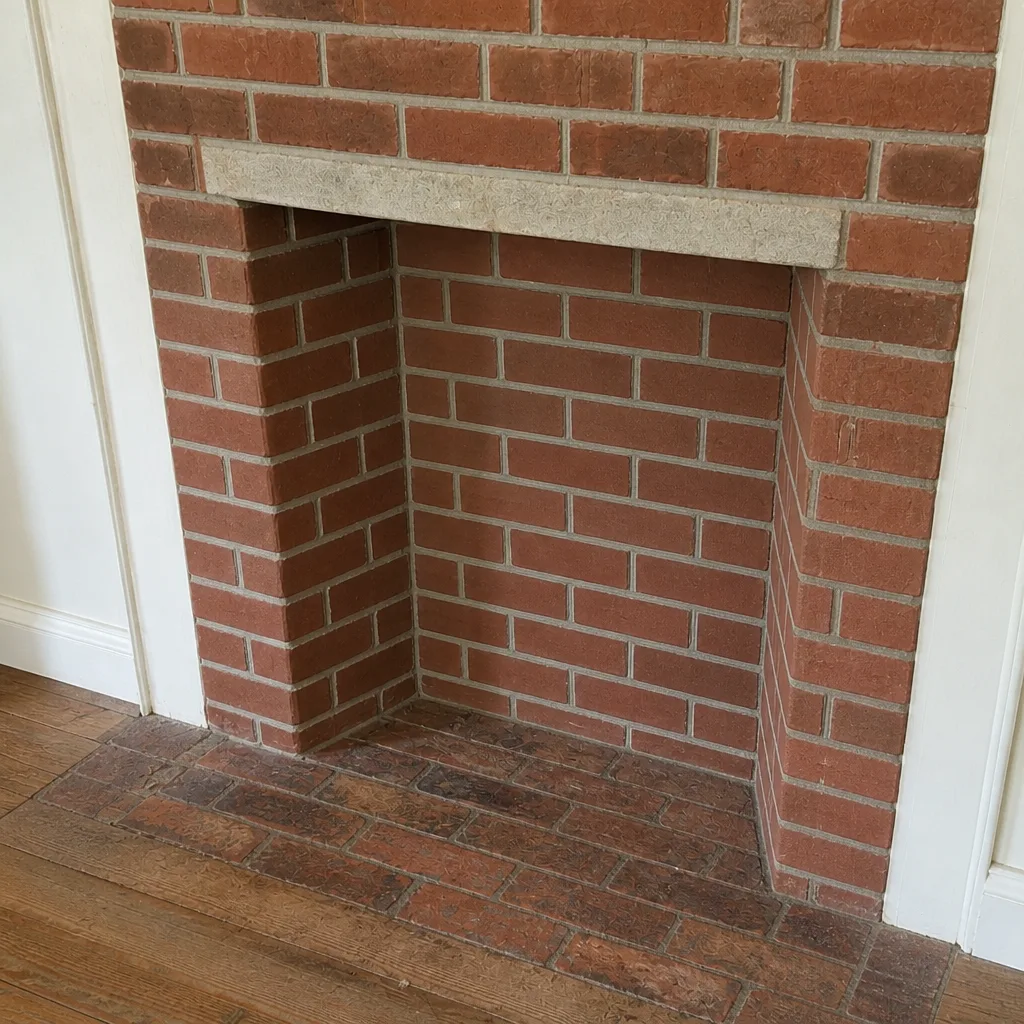
See the difference
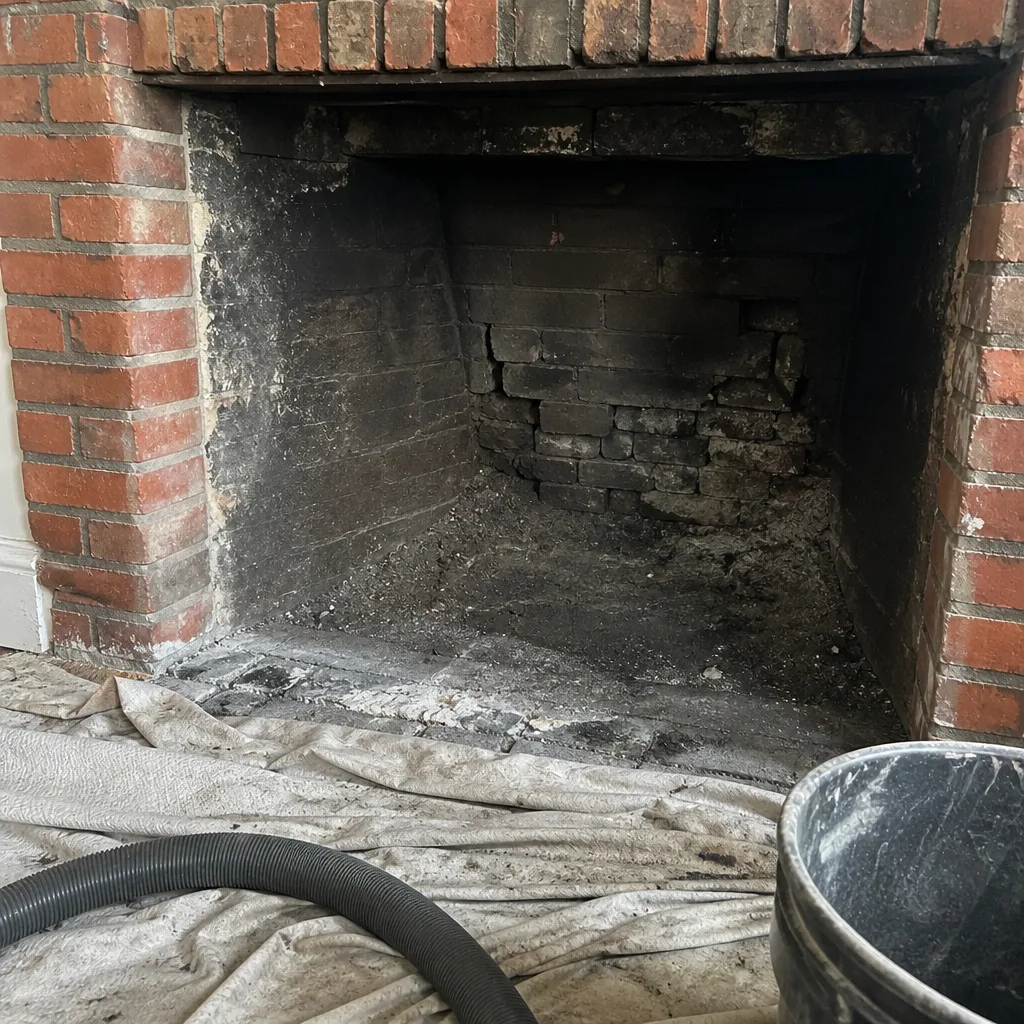 Before
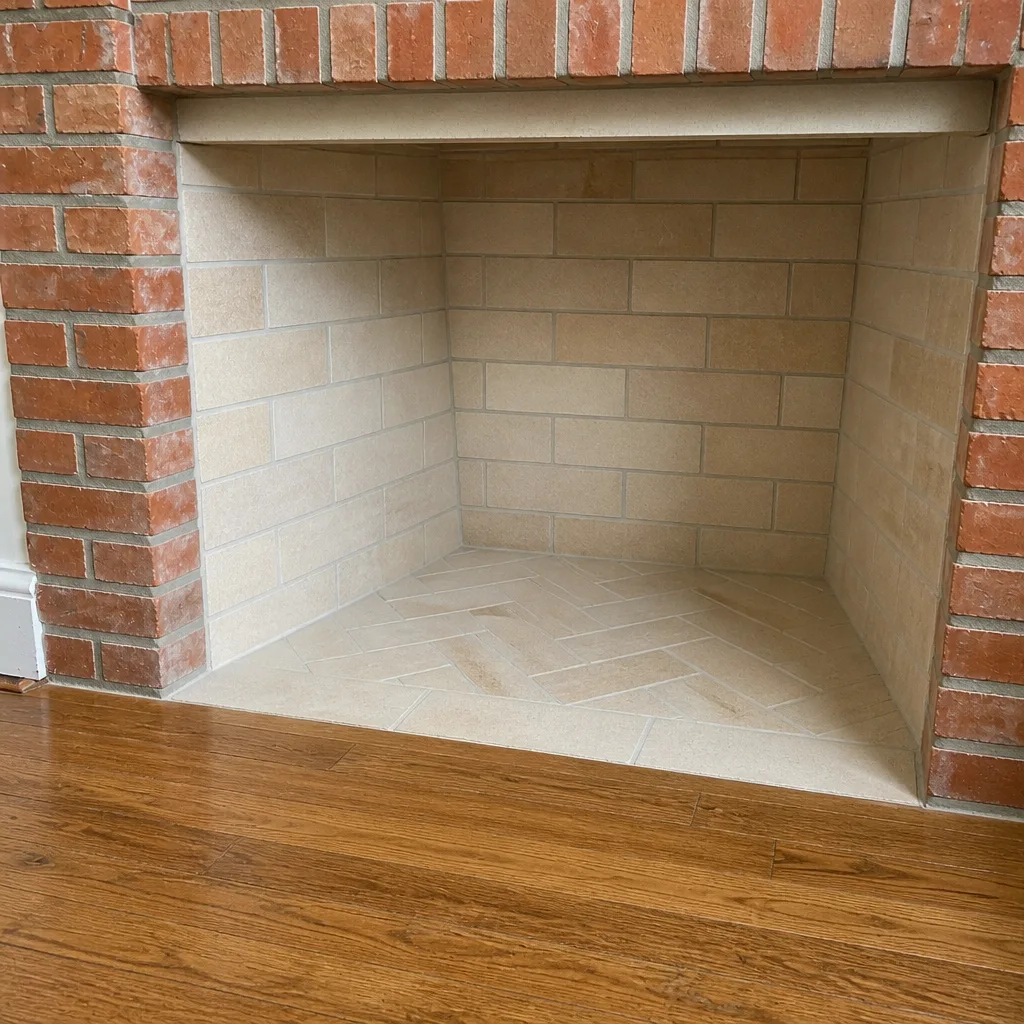 After
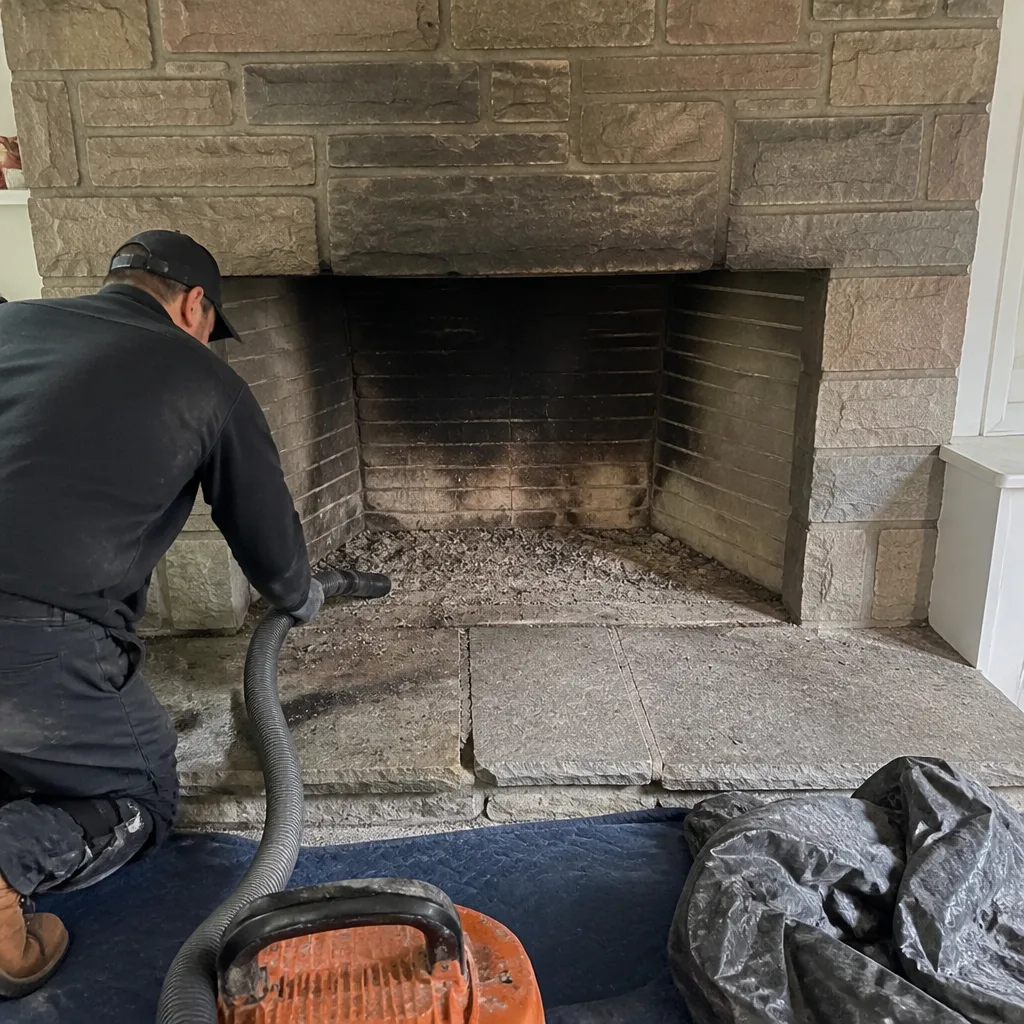 Before
 After
 Before
 After
When to Call a Professional
Call a specialist when the question is about the condition of the flue rather than the amount of soot in it. That includes: buying or selling an Inwood property and needing a Level 2 before closing; an insurance claim that needs a documented condition report; a change from wood to gas or the reverse; a chimney that has had a fire in it, even a small one; visible cracking at the crown or spalling in the masonry above the roofline; and any suspicion that a liner was installed without a permit by a previous owner. Those are all jobs where the camera inspection, the paperwork, and the installation need to come from the same place. Chimney Sweep Inwood offers free estimates in Inwood. Call (844) 625-7414. We answer 24/7. Fast dispatch from 7am to 7pm, Sunday through Friday.
Frequently Asked Questions
No. Routine chimney cleaning, sweeping, and inspection in Inwood are maintenance and don’t require a building permit. A permit becomes necessary when the work alters the chimney system: liner replacement, firebox rebuilds, structural repair to the stack, or any change to the flue’s size or venting path. If you’re unsure which category a job falls into, ask the contractor to say plainly whether the work changes the venting system. Call (844) 625-7414 for an exact quote; estimates are free.
A typical chimney sweep in Inwood is a modest, per-job expense, and the written estimate you receive before booking sets the final price. Sweeping is priced separately from inspection levels and from any repair work, so ask for the estimate to break those out. Nothing beyond the sweep gets recommended without camera evidence you can see for yourself. Call (844) 625-7414 for an exact quote; estimates are free.
You need a new liner when the existing flue can’t safely contain combustion gases, and you can verify that yourself by watching the camera scan. Cracked clay tiles, gaps at joints, and deteriorated mortar are visible on the footage. Ask to see it before agreeing to anything. If the liner is sound, we say so and the work can wait. Call (844) 625-7414 for an exact quote; estimates are free.
Inspect annually and sweep based on how much you burn. A household burning regularly through the heating season typically needs sweeping more often than one lighting occasional fires, and the annual inspection tells you which you are. NFPA 211 sets a Level 2 inspection as the standard whenever a property sells, an appliance or fuel changes, or a chimney fire has occurred. Call (844) 625-7414 for an exact quote; estimates are free.
The chimney becomes a negotiable item at the worst time for you. Buyers’ attorneys routinely ask for chimney documentation, and if none exists the buyer can request a credit, delay closing, or walk. A Level 2 produced before you list closes those questions early, and any repair it reveals can be handled on your schedule rather than the buyer’s. Call (844) 625-7414 for an exact quote; estimates are free.
You should receive the permit number, the final inspection sign-off, the scope of work as filed, manufacturer documentation for the liner or repair material, before-and-after photos or video of the flue interior, and any transferable warranty paperwork. Ask for all of it in one folder before the job closes out. That file is what a future buyer’s attorney will want to read. Call (844) 625-7414 for an exact quote; estimates are free.
The Bottom Line
Cleaning a chimney in Inwood is maintenance and needs no permit. Changing the chimney is construction and does. That single distinction explains most of the problems that surface during home sales and insurance claims, because a reline done without a filing leaves a technically working chimney with no record behind it. Get the Level 2 before you list or buy, pull the permit history on the address, and insist on the documentation folder at close-out. Your chimney is a system, and the paperwork is part of it. For a chimney cap & crown assessment along with the flue inspection, start with the camera and go from there.
Call Chimney Sweep Inwood at (844) 625-7414 for a free estimate. We answer 24/7. Fast dispatch from 7am to 7pm, Sunday through Friday. Our technicians have up to 9 years of experience, and every job starts with the inspection that tells you what actually needs doing. Learn more about Chimney Sweep Inwood and how we handle the full system from the firebox to the cap.
Written by the team at Chimney Sweep Inwood.