
Last updated November 25, 2026
 Sweep & inspection
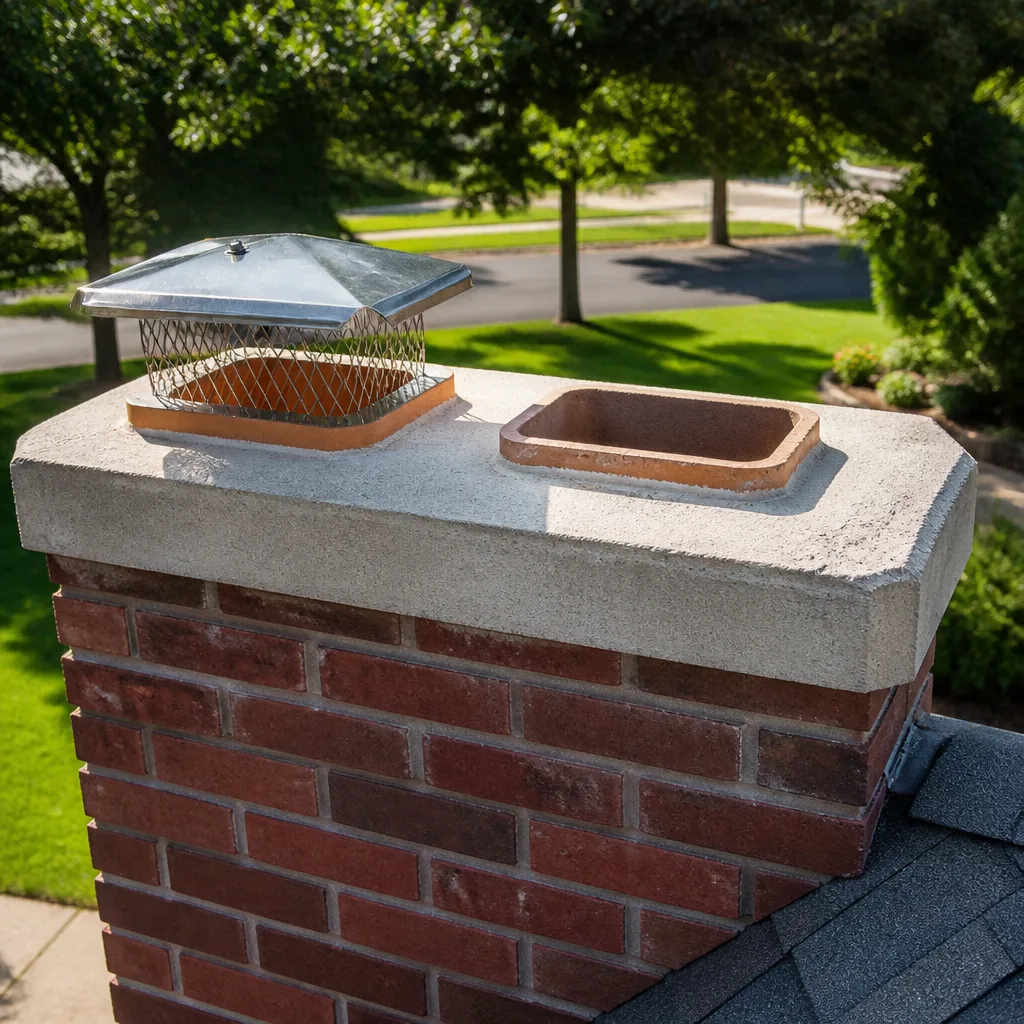
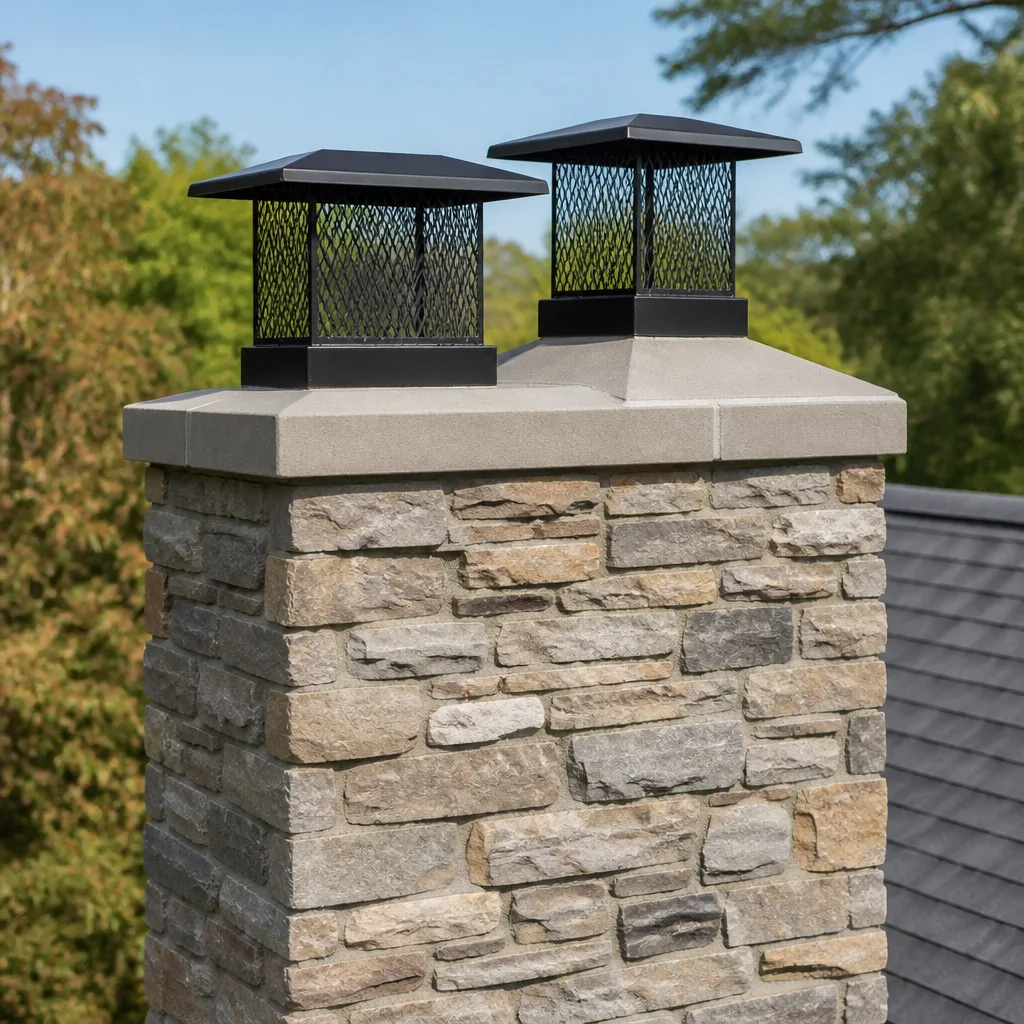 Caps & crowns
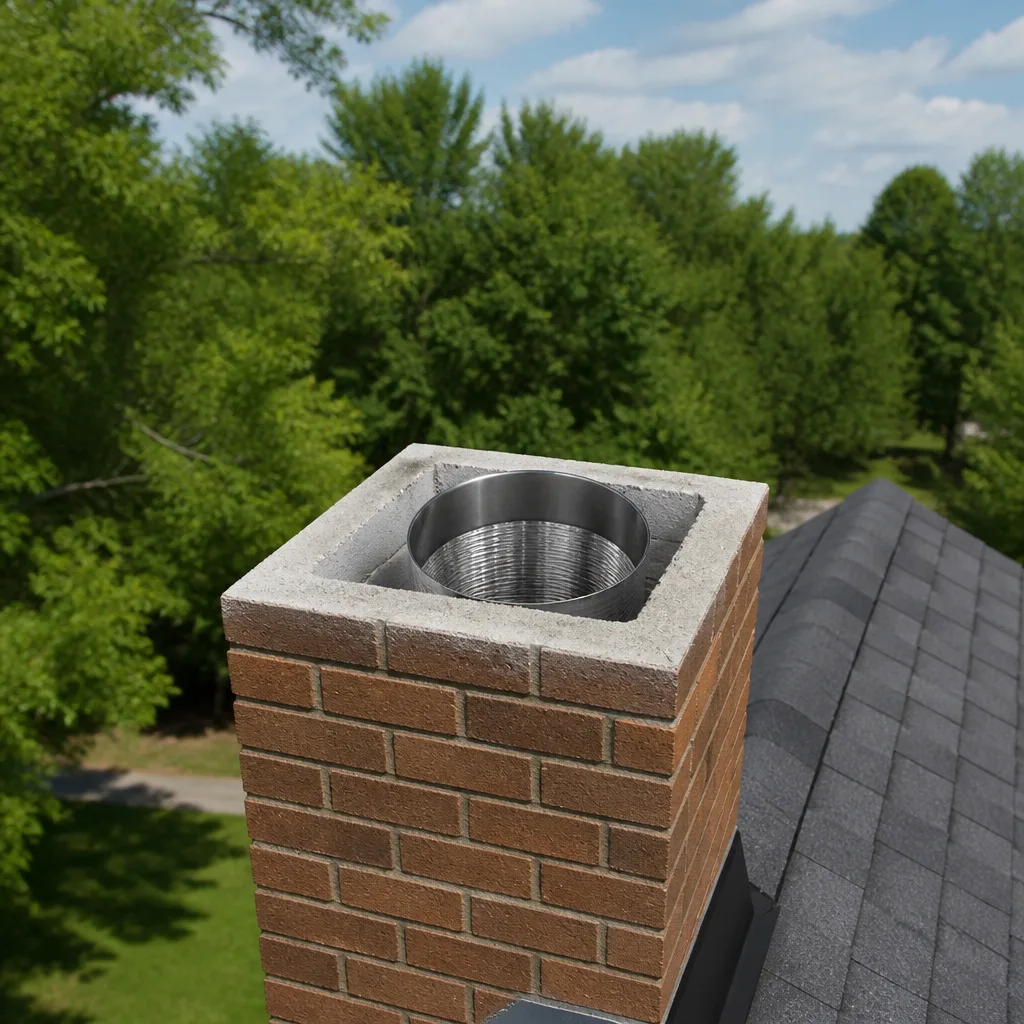 Flue relining
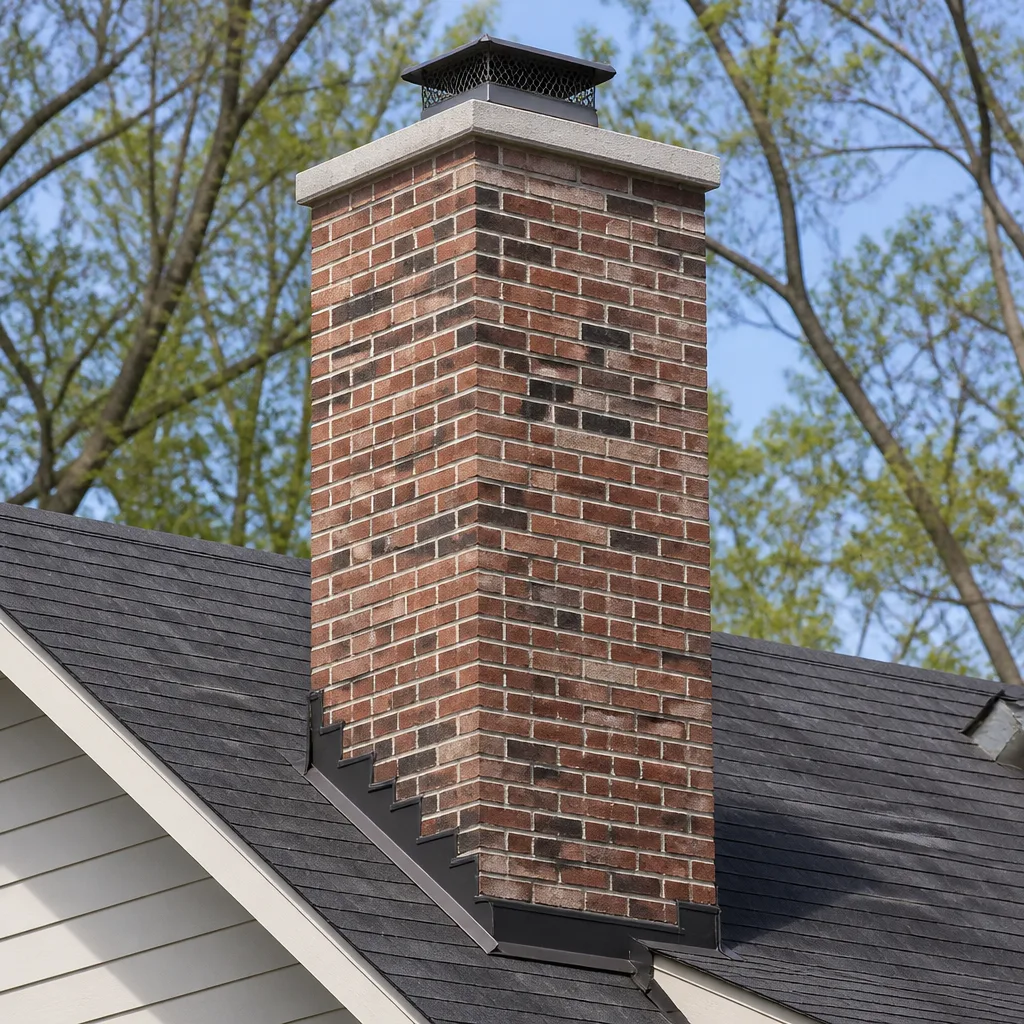 Masonry repair
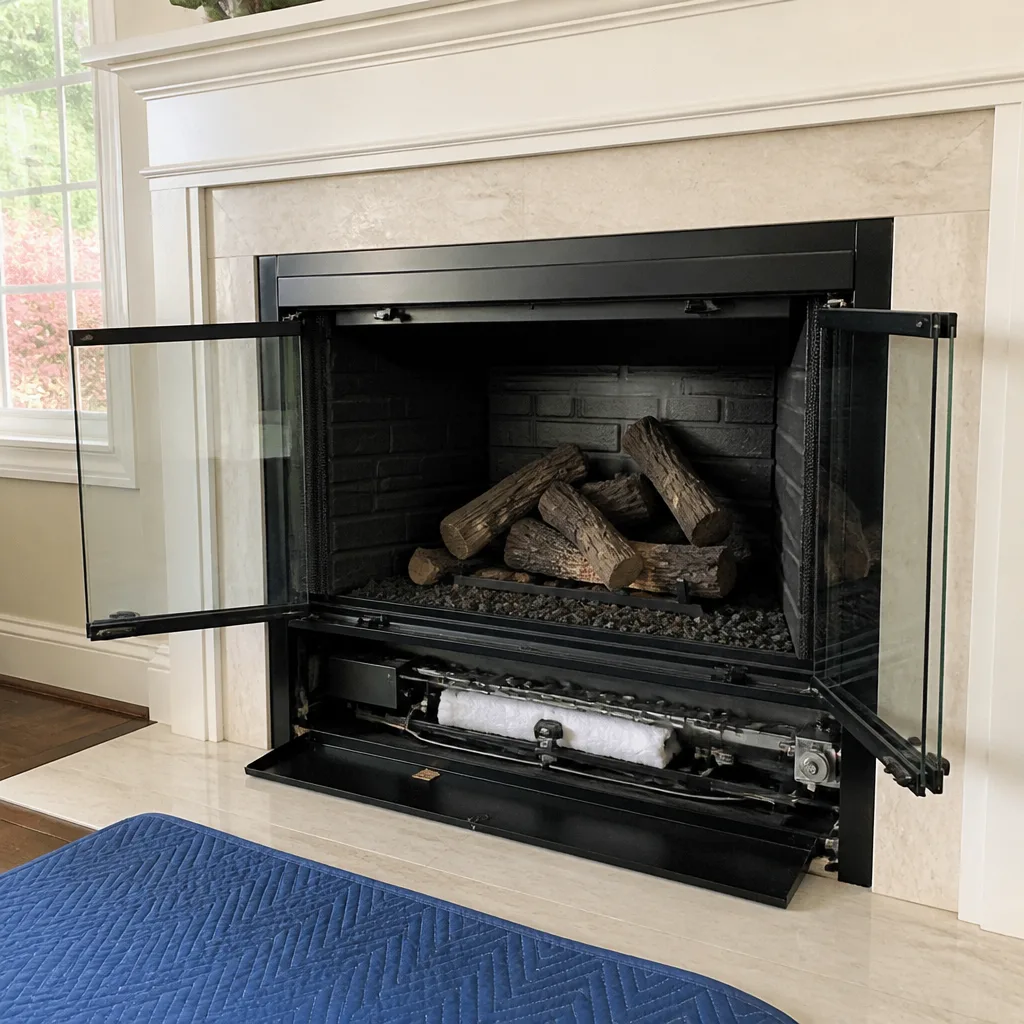 Gas fireplace service
Level 1 sweep and inspection to the NFPA 211 annual standard - flue, crown, cap, and flashing checked and photographed
Chimney sweep logs do not sweep chimneys. They loosen some creosote - which then falls where a brush and vacuum still have to collect it.
Chimney Sweep Troubleshooting in Inwood: Common Problems and How to Fix Them
Smoke rolling into a living room almost never means what the homeowner thinks it means. The instinct is to call someone fast, but the fix for a blocked or undersized flue cap has very little in common with the fix for a shifted flue tile, and treating one as the other wastes money while the actual hazard stays exactly where it was. That gap between symptom and source is the single most expensive confusion in chimney care. This guide maps the problems Inwood homeowners notice most – backdraft, odor, staining, noise – to the mechanical or structural conditions that produce them, explains which checks you can safely do yourself and which need a camera, and shows how a Level II inspection confirms a repair actually worked.
Quick Answer
Most chimney problems in Inwood trace to one of four causes: a blocked or damaged cap, a warped cast-iron damper or other flue restriction, cracked or deteriorating flue tiles and mortar joints, or a draft imbalance created by a flue that’s the wrong size or height. Diagnosing which one you have is the whole job. A proper sweep plus a camera inspection confirms the cause before anything is quoted, and most of these issues can be repaired on the same visit once the source is known.
Styles & brands we work with
- Sweep & inspection
- Caps & crowns
- Flue relining
- Masonry repair
- Gas fireplace service
Table of Contents
- Symptom-to-Cause: What Your Chimney Is Telling You
- Smoke in the Room: Three Causes, Three Different Repairs
- Cast-Iron Dampers in Older Inwood Homes: The Warping Problem
- Staining and Odor: What They Reveal About Water and Creosote
- Noise in the Chimney: Birds, Rain, and Loose Components
- DIY-Safe Checks vs. What Needs a Camera Inspection
- What a Level II Inspection Reveals That a Sweep Cannot
- Repair Options from the Firebox to the Cap
Symptom-to-Cause: What Your Chimney Is Telling You
The useful way to think about chimney troubleshooting is to stop treating “chimney issues” as one thing. Your chimney is a system, and a system fails at its weakest link. Where the symptom shows up tells you which link to examine first. A problem you notice at the firebox – smoke, smell, a lazy fire – usually points to draft or the firebox itself. A problem you notice at the top of the flue – staining, spalling masonry, water entry – usually points to the cap, crown, or mortar. A problem you notice outside the house – a leaning stack, crumbling brick, rust streaks – usually points to structure and moisture.
Here’s the working matrix we use to sort a call before we ever get on the roof:
- Smoke into the room: blocked or undersized flue cap, damper stuck or warped, negative pressure from the house, or a flue-tile shift.
- Draft that feels weak or reversed: flue too short, cap fouled with debris, competing exhaust fans pulling air the wrong way, or a firebox open too wide for the flue.
- Odor when the fireplace is off: creosote buildup, moisture in the flue, or a downdraft pulling air back down the stack.
- Staining on the chimney or ceiling: failed crown, missing or loose cap, cracked flue tile, or flashing letting water past.
- Noise: birds or squirrels, wind-driven rain, a loose cap, or a damper plate rattling.
In Inwood, the housing stock produces these symptoms in predictable combinations. Many of the apartment buildings and rowhouses here date to the early 20th century, so cast-iron dampers, original flue tiles, and mortar that has spent a century absorbing moisture are the norm rather than the exception. Older flues were also sized for older appliances, and a flue that was correct when the house was built may be the wrong size once a liner or insert is added later. Sorting the symptom first, then the age of the system, saves a lot of guesswork.
Smoke in the Room: Three Causes, Three Different Repairs
This is the symptom that prompts the most urgent calls, and the one most often misdiagnosed. The same plume of smoke curling out of the firebox can come from three completely different mechanical situations, and each carries a different repair scope and a different cost. Confusing them wastes money because the wrong fix leaves the underlying cause untouched.
- Blocked flue cap. The cap is the metal structure on top of the chimney that keeps rain, birds, and debris out. When its mesh or screen clogs with soot, nest material, or a fallen cap component, exhaust has nowhere to go and backs into the room. The fix is cleaning or replacing the cap and screening the top. This is usually the cheapest of the three and is a routine part of a service visit.
- Damper or flue restriction. A cast-iron damper warped by heat and age may not open fully or may sag out of alignment. Once a damper is deformed, no amount of prying corrects it, and the firebox is effectively choked. The fix is replacing the damper or installing a proper top-sealing or throat damper, which restores the correct open cross-section.
- Flue-tile damage or a draft imbalance. A shifted, cracked, or spalled flue tile – common in older masonry flues – can obstruct the path or leak exhaust sideways into the structure. A flue that’s too short, too wide for the firebox opening, or shared with another appliance can also fail to draw. These need a camera inspection to confirm and a more involved repair, ranging from relining to rebuilding the flue section.
The point worth holding onto: smoke in the room is a symptom, not a diagnosis. A technician who climbs up and looks before quoting is doing the job correctly, and a quote that arrives before anyone has seen the flue interior is worth questioning.
Cast-Iron Dampers in Older Inwood Homes: The Warping Problem
If your building is one of the older ones in Inwood, there’s a good chance you have a cast-iron throat damper that’s been in place for many decades. These dampers are sturdy and functional when new, but heat cycles and moisture cause them to warp, pit, and seize. Once the plate warps, it can’t seat flat anymore. You’ll notice a fire that struggles to draw, a persistent smoky smell when the fireplace is cold, or a draft coming down the flue even in summer.
A warped damper is a real functional problem, not just nuisance. A damper that won’t close properly lets heated air escape the house in winter and lets humidity and downdraft in during the warm months, which accelerates staining and odor. The repair options we typically work through:
- Damper replacement: swapping the failed throat damper for a new cast-iron or steel unit sized to the firebox opening.
- Top-sealing damper installation: a damper at the top of the flue, which seals tighter than a throat damper and keeps rain, animals, and downdraft out of the flue entirely.
- Fireplace insert with integrated damper: when the firebox itself is failing or the homeowner wants better heating efficiency, an insert with its own controlled draft can solve several problems at once.
Whichever route you choose, the damper has to match the firebox opening and the flue it serves. A damper that’s oversized or undersized for the opening reintroduces draft problems. This is where fitting matters more than the part itself, and why a specialist who works on chimney components daily gets it right the first time.
Staining and Odor: What They Reveal About Water and Creosote
Rust-brown streaks on the chimney exterior, white chalky bloom on the brick, or a dark damp patch on the ceiling near the flue almost always tell the same story: water is getting in. The two most common entry points are a failed crown (the concrete cap that slopes water away from the top) and failed flashing at the roof line. When the crown cracks, water runs down the flue, saturates the masonry, and shows up later as staining, spalling brick, or a musty smell inside the house.
Odor when the fireplace is cold is a related but separate issue. A persistent smoky or acrid smell points to creosote buildup in the flue or moisture sitting in the flue and reacting with the deposits. A little background smell before your first fire of the season is common and usually just needs a sweep. A smell that’s present all year, especially after rain, usually means water is feeding it. In Inwood’s climate, where humid summers follow cold winters, the freeze-thaw cycle across a wet chimney accelerates spalling mortar and cracked brick, so a small crown crack becomes a structural issue over time if it’s ignored.
What to look for:
- White or gray powdery bloom on the chimney exterior (efflorescence, a sign of moisture migrating through brick).
- Rust stains on the crown, cap, or exterior flue.
- Loose or missing chunks of mortar between bricks.
- Dark ceiling staining near the flue, or a musty smell in the room the chimney serves.
When water entry is caught early, crown repair and flashing work are usually straightforward. Left alone, the repair escalates to masonry replacement and flue relining, which is a different budget.
Noise in the Chimney: Birds, Rain, and Loose Components
Scratching, flapping, or a hollow thumping sound coming from the chimney is rarely anything ominous, but it does need attention. The three most common culprits in Inwood:
- Birds or squirrels. A missing or damaged cap opens the flue to nesting. Nests block exhaust, are a fire hazard, and can introduce mites and debris into the house. The fix is removal, cleaning, and a properly screened cap.
- Wind-driven rain. Rain hitting a bare or partially capped flue can make a steady tapping or dripping sound, usually worse on windy days. A functioning cap and crown shed most of this.
- Loose components. A failing damper, a loose cap, or shifting masonry can produce rattling or groaning as the house expands and contracts with temperature.
None of these should be met with a wait-and-see. A blocked flue from a nest is a draft and safety problem, and a cap that’s loose is a cap that may soon be missing entirely. On the whole, cap and crown work on an older Inwood chimney gets done once and prevents a whole category of subsequent calls, from water entry to wildlife.
DIY-Safe Checks vs. What Needs a Camera Inspection
There are a few things a homeowner can and should check. There are also things nobody should do without a trained eye and the right tools – and the line between them matters for your safety. The general rule: look from the outside and reach only where you can see, and never put a tool, brush, or hand up a hot or recently used flue.
Safe to check yourself:
- Look at the cap from the ground or a safe vantage: is the screen intact? Is anything sitting on it?
- Open and close the damper by hand (when cold) and feel for full travel and a flush seat.
- Look up the flue from the firebox with a flashlight for obvious light-blocking obstructions, visible soot buildup, or an obvious shift in the flue tiles.
- Note stains, spalling, or loose mortar on the exterior and any ceiling discoloration.
- Confirm the fireplace draws normally with a small test fire once a season.
Needs a professional and a camera:
- Any suspicion of cracked, shifted, or missing flue tiles – you cannot see them properly from the firebox without a camera.
- Any backdraft that persists after you’ve checked the cap and damper.
- Odor that remains after a sweep.
- Staining that suggests water is already inside the masonry.
- Any structural movement, leaning, or brick displacement.
A camera run down the flue is the difference between an opinion and a fact. We can’t confirm a repair fixed anything until we’ve seen the interior before and after. That’s what separates real diagnosis from a guess.
What a Level II Inspection Reveals That a Sweep Cannot
A basic sweep cleans what can be reached with a brush. A Level II inspection goes further: it includes a full visual inspection of the accessible parts of the chimney, including the flue interior, using a camera, plus inspection of the firebox, damper, cap, crown, flashing, and exterior. It’s what the industry considers the standard when a change of use has occurred (new appliance or insert), after a chimney fire, after a damaging event, or when the property changes hands. In older Inwood homes with original masonry flues, it’s often the only way to establish a true baseline.
Here’s what a Level II inspection actually tells you that a brush and a glance won’t:
- The condition of every joint between flue tiles – where hairline cracks and missing mortar joints hide.
- Whether the flue is properly sized for the firebox and any appliance – the source of many draft problems.
- Whether a prior liner or repair was installed correctly – and whether it’s still doing its job.
- Exact cause of backdraft – cap blockage versus flue restriction versus a pressure problem in the house.
- Whether a moisture problem has compromised the structure – before it becomes a rebuild.
The inspection is also the proof that a repair worked. After relining or a crown repair, a camera run confirms the new surface is continuous and correctly sealed. If you want evidence of what’s happening inside your flue, ask for it, and expect to see it on a screen with the technician walking you through it. We use HeatShield and DuraFlex for exactly this reason – they behave predictably once installed, which makes the post-repair check meaningful.
Repair Options from the Firebox to the Cap
Once the cause is confirmed, the repair scope follows logically from the diagnosis. Chimney problems almost always break down into a handful of real repair categories, and knowing which one you’re looking at helps you have an honest conversation about the estimate.
- Sweep and inspection (diagnostic first): clear the flue of soot and creosote, run the camera, and document the condition. This is the foundation of every other decision.
- Cap and crown work: replace or install a screened cap, and repair or rebuild a cracked crown so water sheds away from the top. This is the highest-value prevention work on most Inwood chimneys, because water entry is the root of so many downstream problems.
- Damper replacement: swap a warped or seized cast-iron damper for a properly sized unit, or install a top-sealing damper for a tighter seal.
- Flue relining: when the flue tiles are cracked or missing, a flexible stainless liner restores a continuous, correctly sized flue. DuraFlex flexible systems let us fit a proper liner into older or non-standard flue configurations where a rigid liner would fail. Olympia Chimney components round out the liner system.
- HeatShield ceramic resurfacing: when the flue is intact structurally but the interior surface has deteriorated, HeatShield resurfacing restores a smooth, sealed flue without a full liner replacement. It’s a repair most general contractors can’t install, and it extends the useful life of an aging masonry flue considerably.
- Firebox and masonry repair: rebuild deteriorated firebox brick, repoint mortar joints, and repair cracks with matched refractory mortar and Gelco or Famco components, so the firebox and flue work as one system.
Every one of these repairs is a same-specialist job. That’s the practical advantage of working with a trade that does chimneys and fireplaces exclusively: nothing gets handed off mid-repair, and the person who diagnosed the problem is the person who confirms the fix.
Common Mistakes to Avoid
- Calling a general handyman for a smoke problem. A handyman may clean the firebox, but without a camera the real cause stays hidden. Chimney troubleshooting is a camera-and-specialist job.
- Treating smoke in the room as one problem. Three different causes produce the same symptom, and only one of them involves the cap. Confirm the source before you spend money.
- Ignoring a small crown crack. In Inwood’s freeze-thaw winters, a hairline crack in the crown lets water in, and a season of freezing widens it into a masonry repair. Fix crowns early.
- Prying on a warped cast-iron damper. A deformed damper can’t be bent back into service, and forcing it can damage the firebox. Replace it instead.
- Skipping the annual sweep because “the fire still works.” A fire can burn fine while creosote accumulates in the flue. The sweep is what prevents a chimney fire, not a sign that something is already wrong.
- Going without a cap. A missing cap is an open door for rain, birds, and debris. Every flue should be capped and screened.
- Making a structural assessment from the ground. A leaning stack or shifting brick needs a professional look. Looks-like-a-problem and is-a-problem aren’t the same thing.
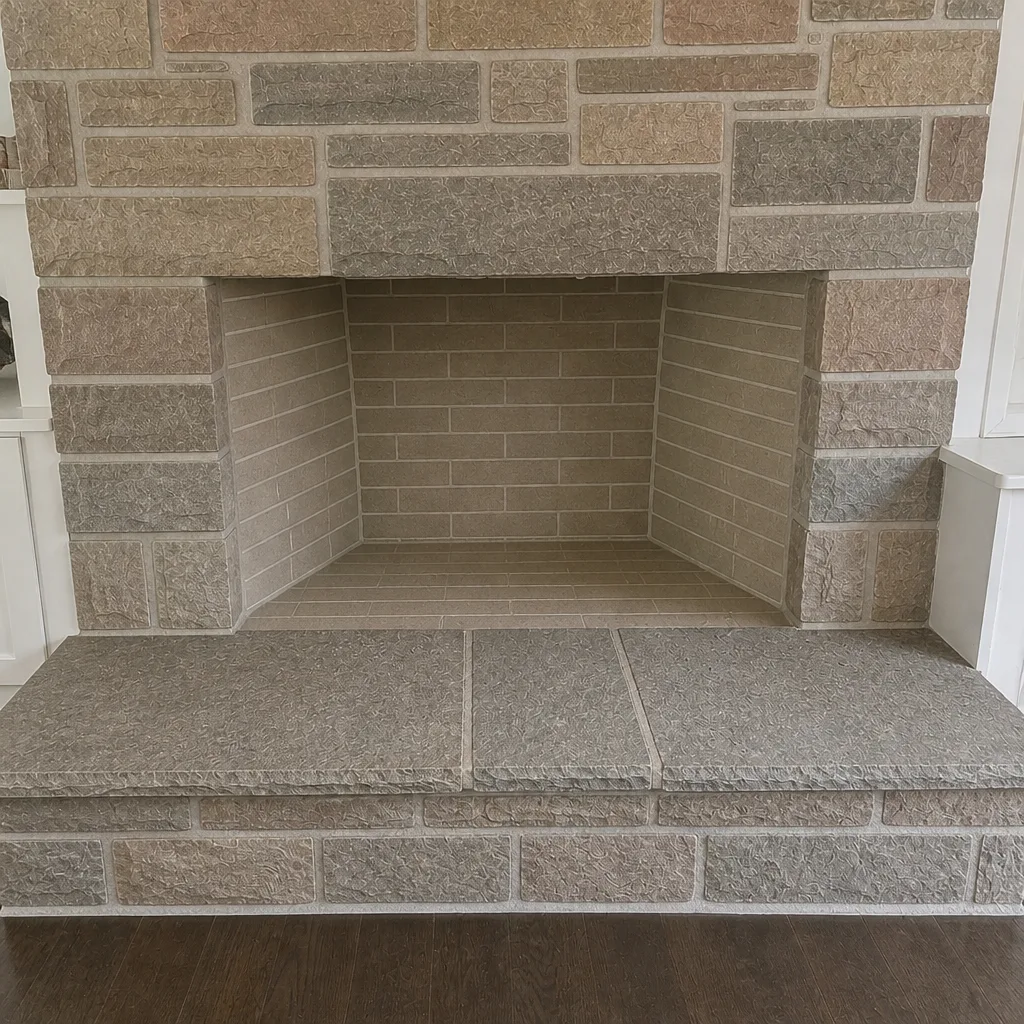
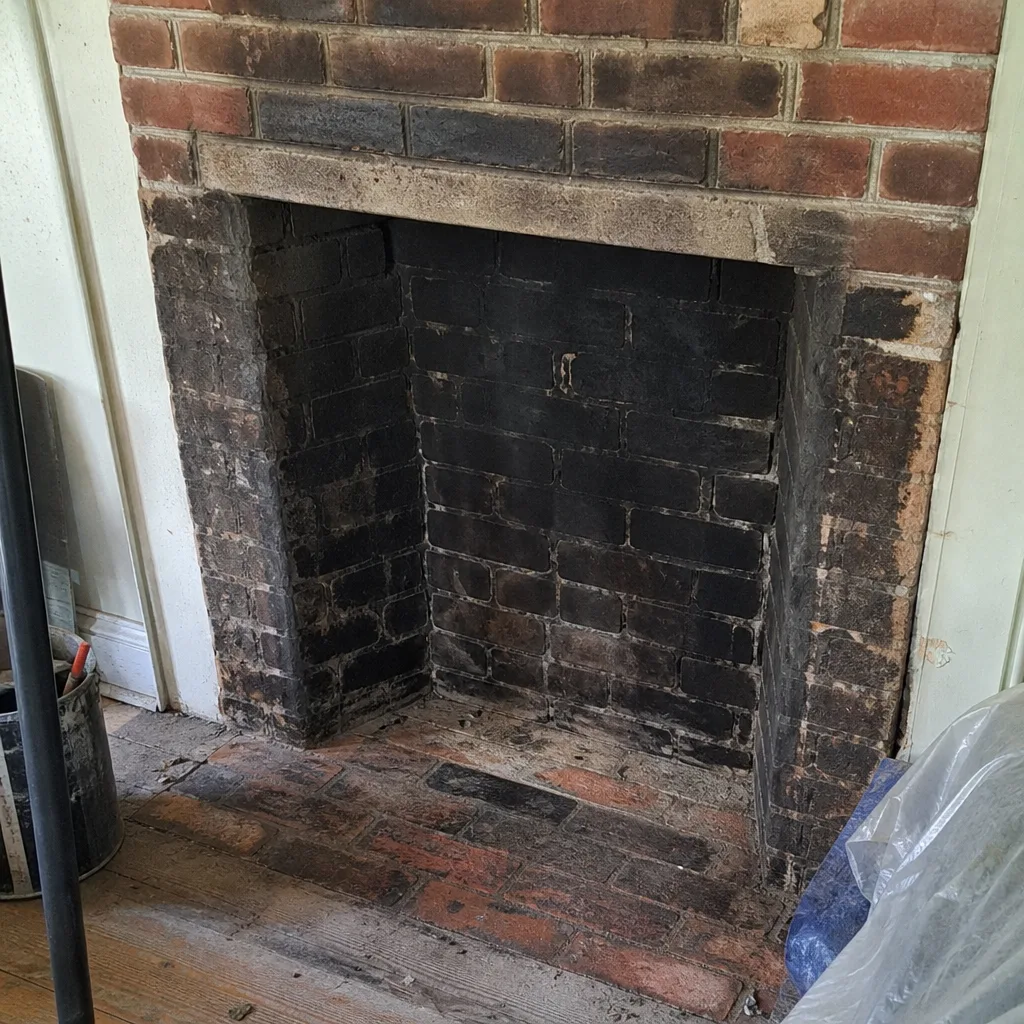
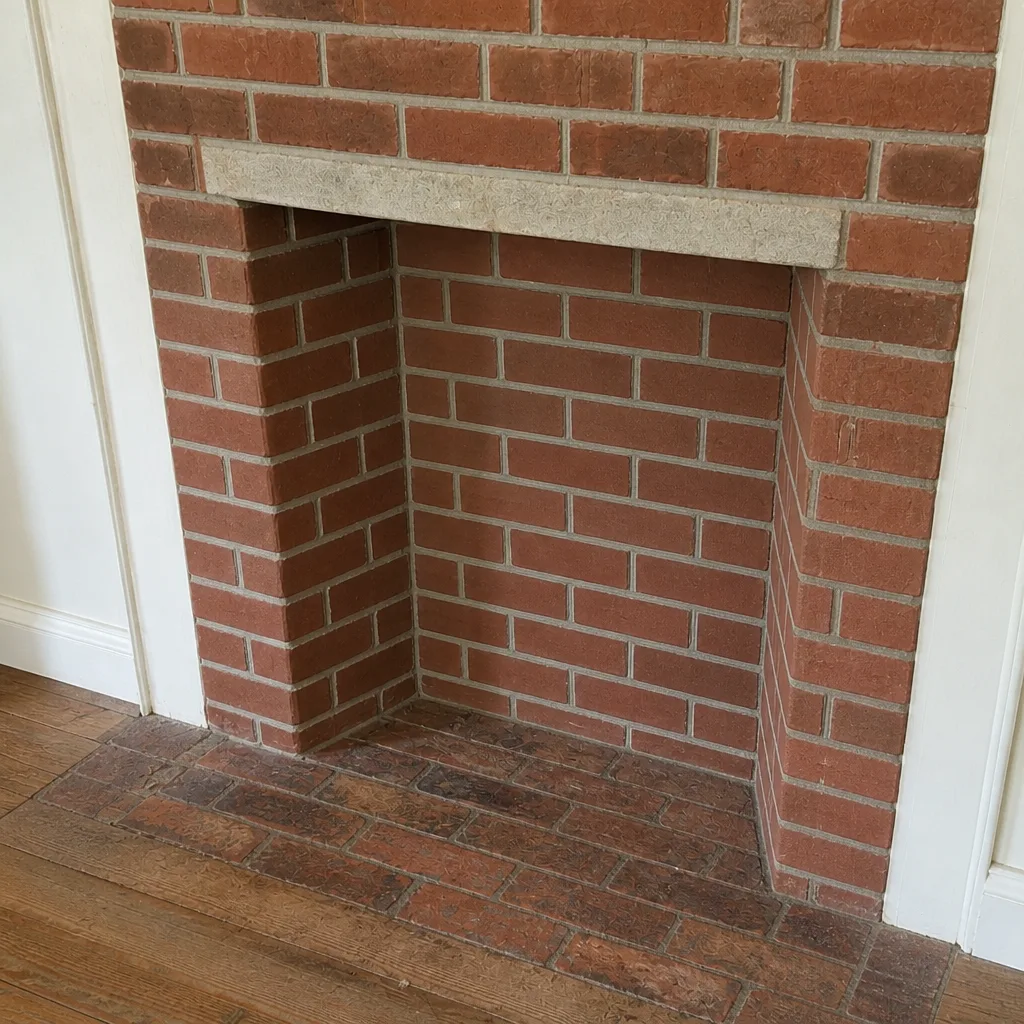
See the difference
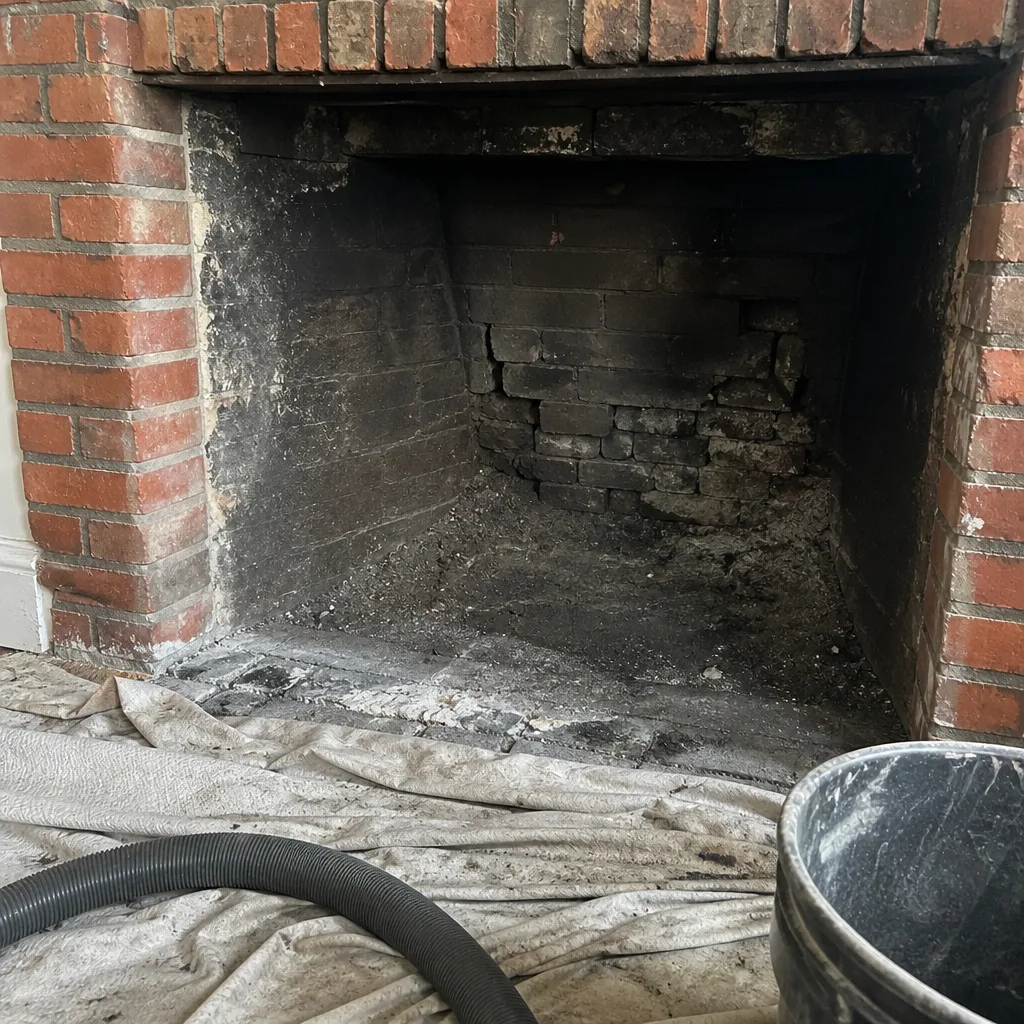 Before
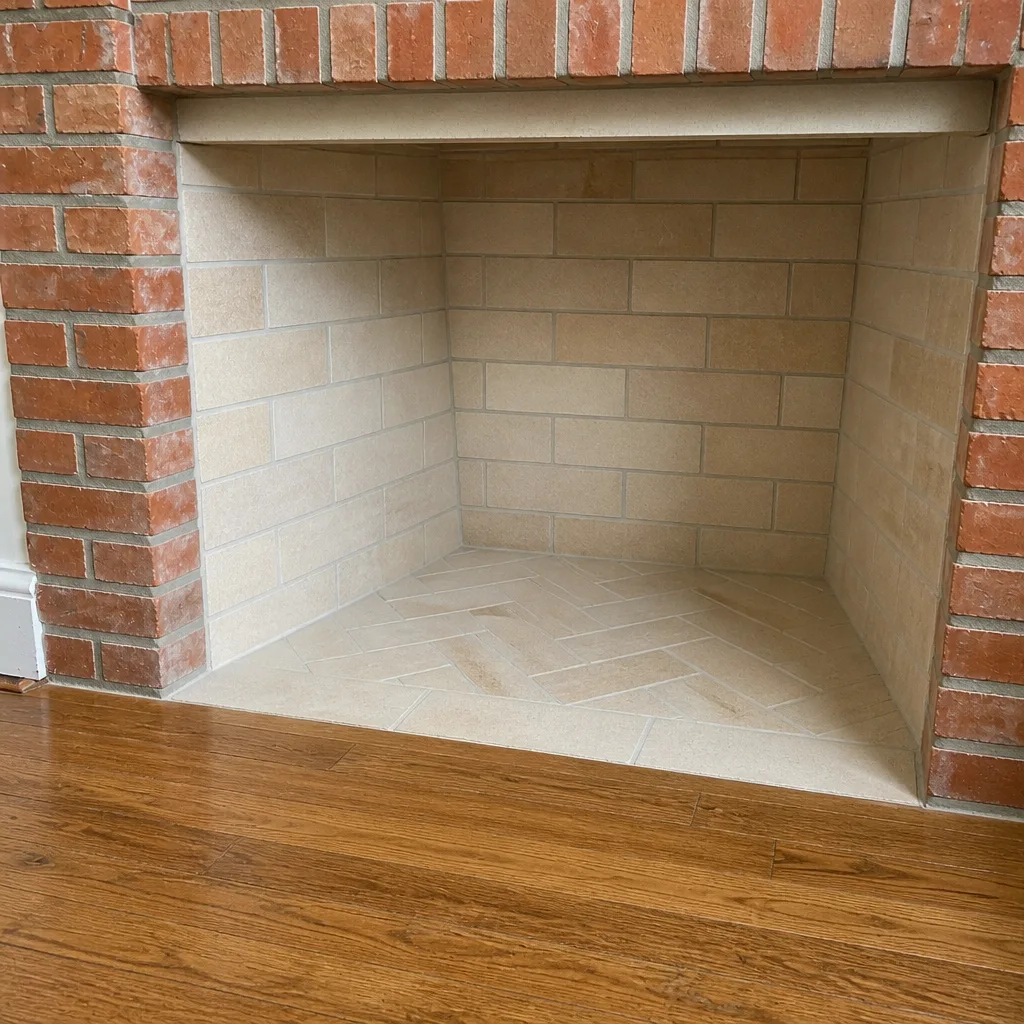 After
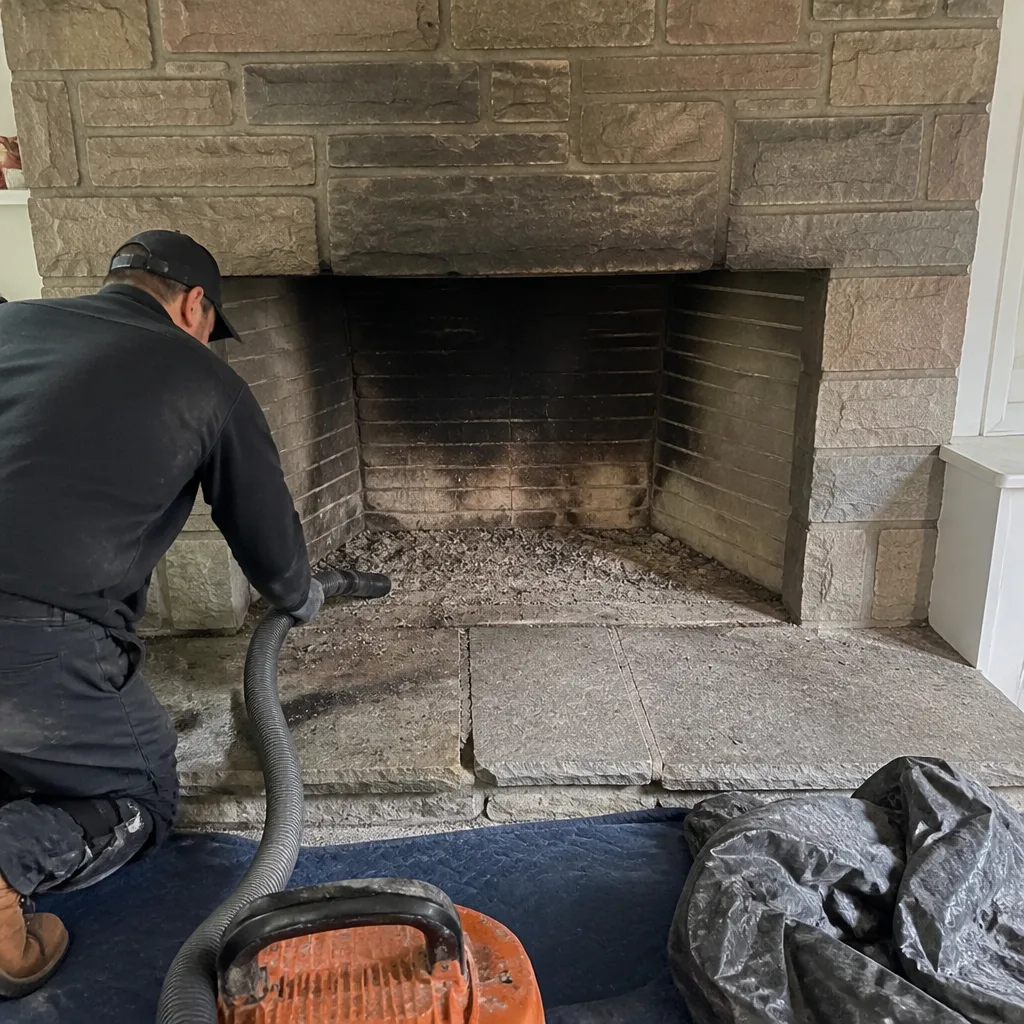 Before
 After
 Before
 After
When to Call a Professional
Call a professional if smoke comes into the room when the fireplace is lit, if a smoky or acrid odor lingers when the fire is off, if you see staining, rust, or spalling on the chimney or ceiling, if you hear animals in the flue, or if the damper no longer opens and closes smoothly. Call as well before the first fire of the season if it’s been more than a year since the last sweep, and after any chimney fire or damaging weather event. If you’re unsure, that’s a reason to call – a camera inspection and a sweep clarify the situation far faster than a guess. Chimney Sweep Inwood offers free estimates in Inwood – call (844) 625-7414. We answer 24/7. Fast dispatch from 7am to 7pm, Sunday through Friday.
Frequently Asked Questions
In our experience, a blocked or fouled flue cap is the most common single cause, but it’s not the only one. A warped cast-iron damper or a shifted flue tile can produce the same symptom. Confirming the cause requires a camera inspection before any repair is quoted. Call (844) 625-7414 for a free estimate.
A sweep alone is not enough to diagnose smoke, odor, or draft problems. A camera inspection shows the back of the flue where cracks, missing joints, and restrictions hide. A Level II inspection includes the camera and the visual inspection of the firebox, cap, crown, and flashing. Call (844) 625-7414 to book one.
Once a year for most wood-burning fireplaces, or more often if you burn heavily or notice creosote buildup. Gas and oil appliances have their own service intervals. An annual sweep and a look at the cap and crown catch most problems before they become repairs. Call (844) 625-7414 to schedule the next sweep.
A cast-iron damper that has warped or seized should be replaced, not repaired. The metal has lost its shape permanently and forcing it back can damage the firebox. Replacement with a properly sized damper, or a top-sealing damper, restores correct draft. Call (844) 625-7414 for an estimate.
HeatShield ceramic resurfacing restores the interior flue surface without installing a full liner, and it works when the flue is structurally intact but deteriorated on the inside. It’s a repair most general contractors can’t install. A DuraFlex flexible liner is the right choice when the flue tiles themselves are cracked or missing. A camera inspection determines which is appropriate. Call (844) 625-7414 to find out which one your flue needs.
Staining almost always means water is entering, which is a structural concern, not cosmetic. The two common sources are a failed crown and failed flashing. Catch them early and the repair is usually moderate; let them go and moisture reaches the flue and masonry. Call (844) 625-7414 for a free estimate and a proper diagnosis.
The Bottom Line
Chimney troubleshooting works best when you resist the urge to fix the first thing that looks wrong. Match the symptom to the cause, confirm with a camera, and repair the actual problem rather than the obvious one. In Inwood’s older housing, cast-iron dampers, aging flue tiles, and a wet freeze-thaw cycle are the usual suspects behind smoke, odor, and staining. Treat your chimney as a complete system from firebox to cap, check it once a year, and repair moisture problems early. Most of the calls we make come from a small set of predictable failures – and once the cause is known, the fix is usually a single visit. Chimney Sweep Inwood offers free estimates in Inwood – call (844) 625-7414. We answer 24/7. Fast dispatch from 7am to 7pm, Sunday through Friday.
Written by the team at Chimney Sweep Inwood.