
Last updated November 25, 2026
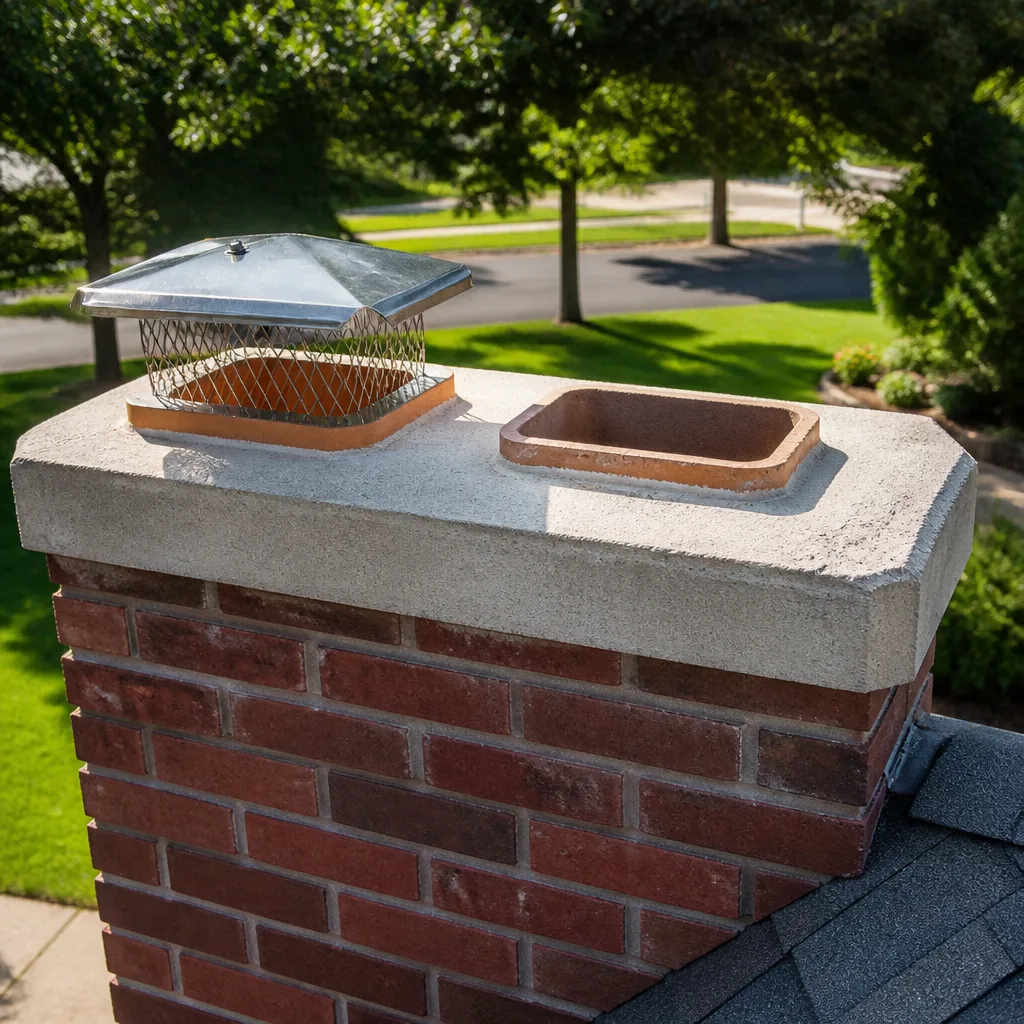 Sweep & inspection
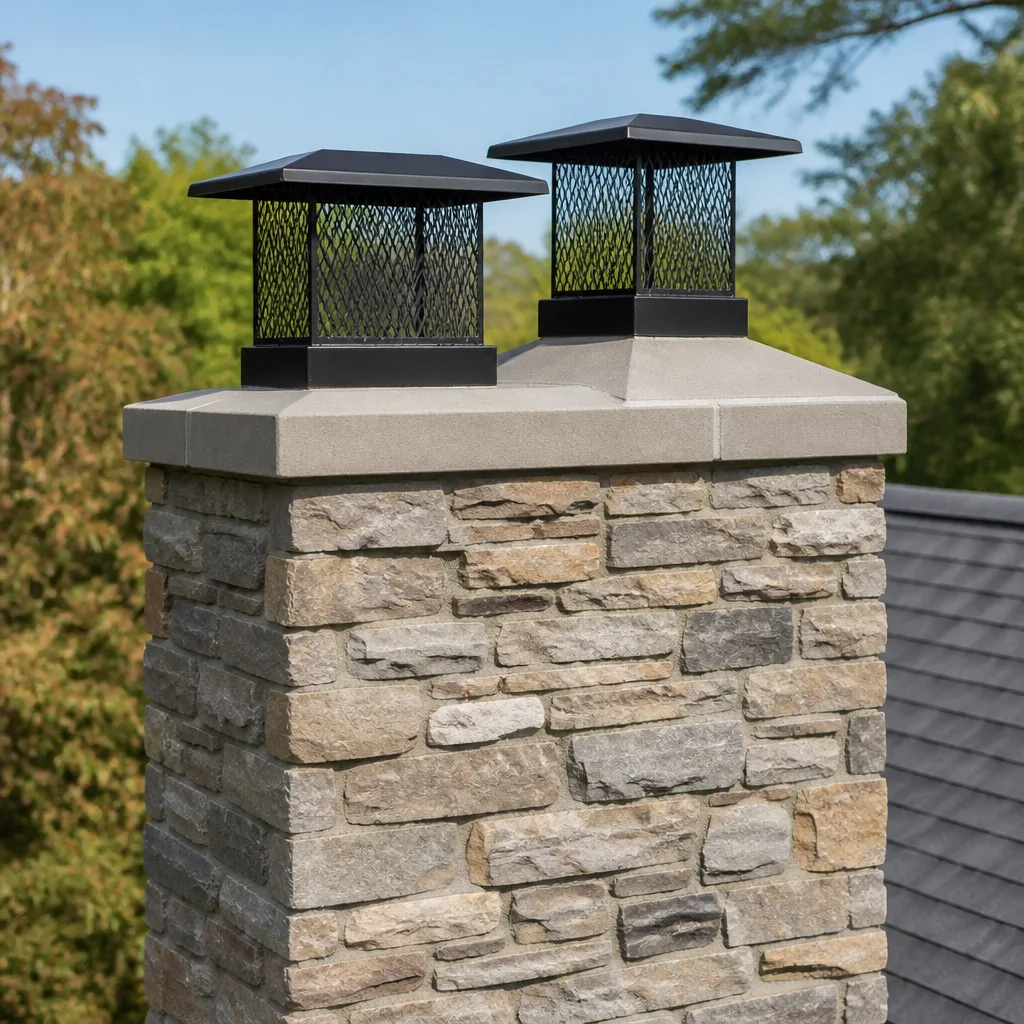 Caps & crowns
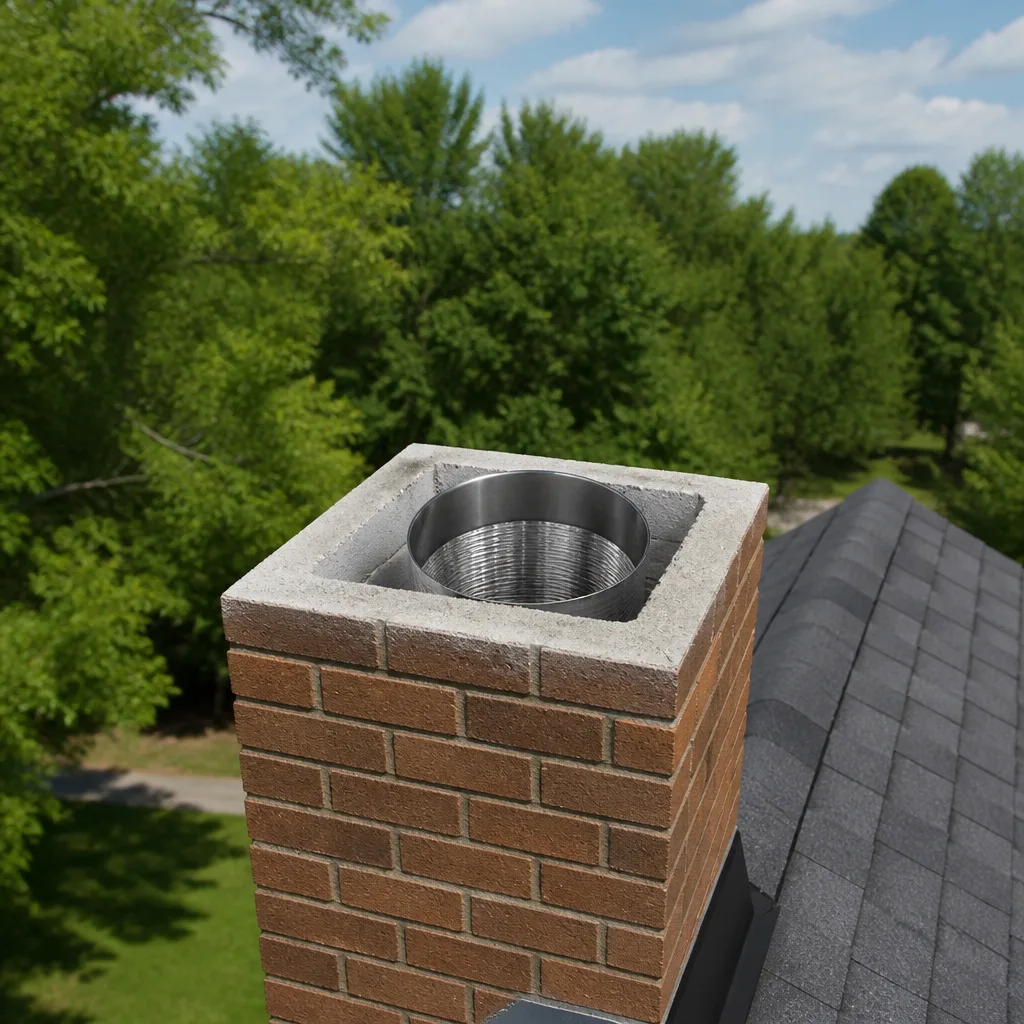 Flue relining
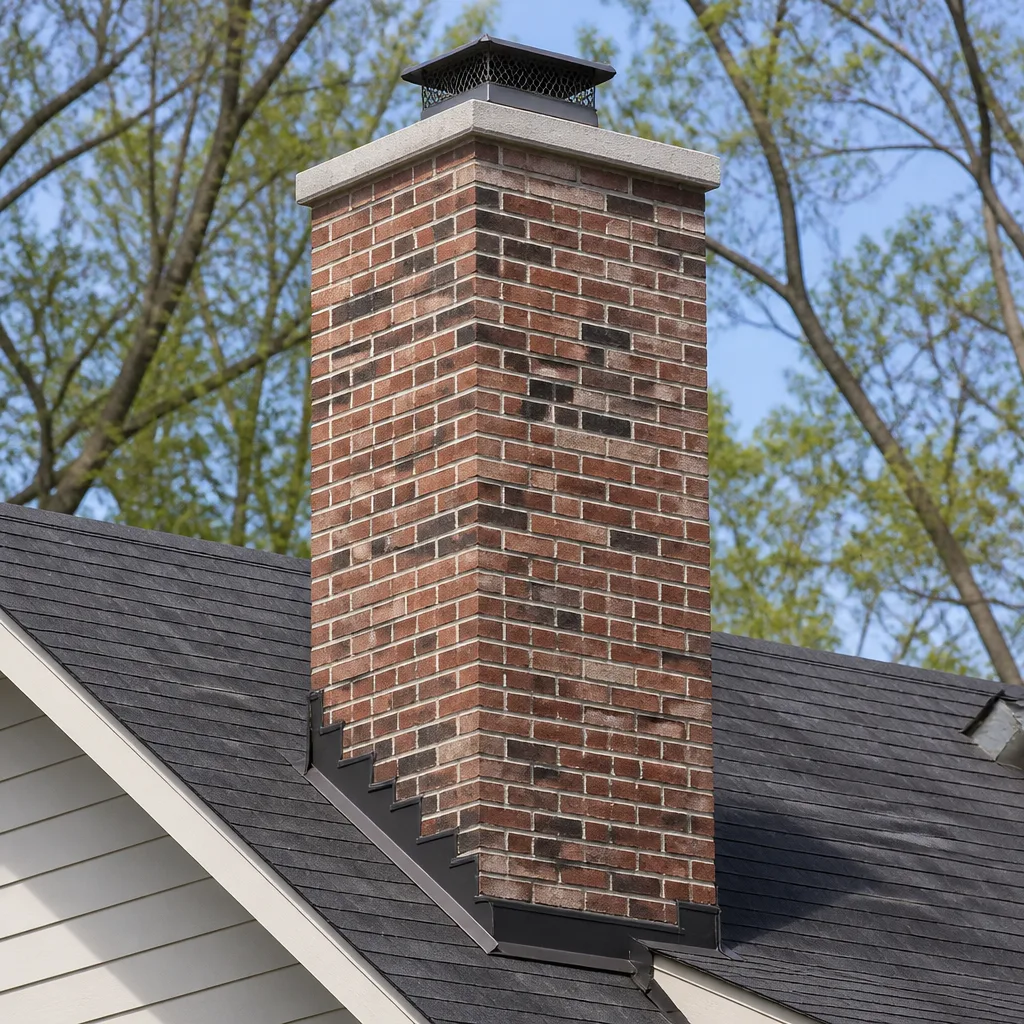 Masonry repair
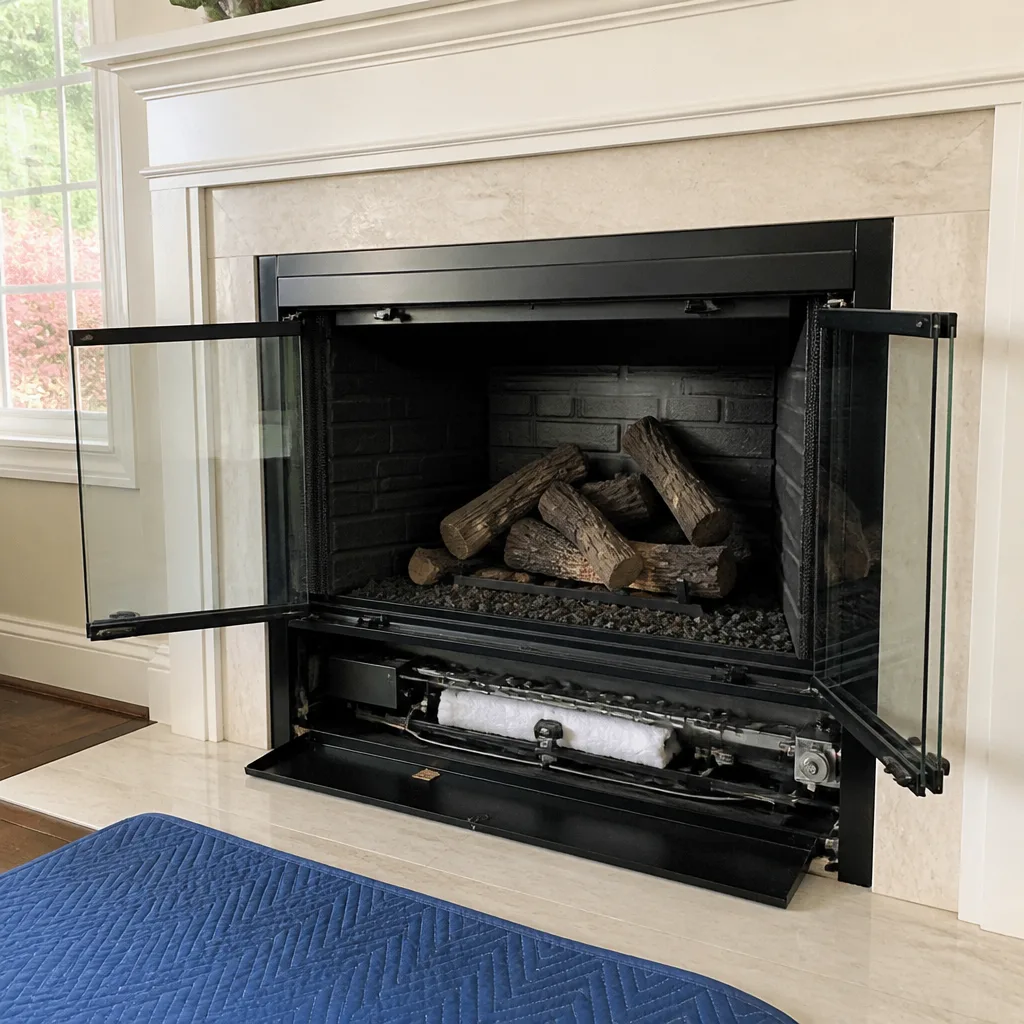 Gas fireplace service
Level 1 sweep and inspection to the NFPA 211 annual standard - flue, crown, cap, and flashing checked and photographed
Chimney sweep logs do not sweep chimneys. They loosen some creosote - which then falls where a brush and vacuum still have to collect it.
Choosing the Right Chimney Cleaning Brand: A Buyer’s Guide for Inwood
Most homeowners assume the labor is what matters and the products are an afterthought. It’s the reverse. A crown brushed with standard elastomeric roof sealant will crack and peel within two or three freeze-thaw cycles, because that product was formulated for a flat roof, not a chimney that expands and contracts with every fire. A crown sealed with a chimney-specific compound like CrownCoat or ChimneySaver handles the thermal movement a chimney actually sees. The men and women on the ladder matter, but the materials they carry decide whether a repair lasts five years or twenty. This guide walks Inwood homeowners through the brands and product categories that separate professional-grade chimney work from a hardware store patch job, and shows you how to verify what you’re paying for.
Quick Answer
Ask your chimney professional to name the specific products they’ll use and why – the sealant, the liner alloy, the creosote treatment. Professional-grade brands like CrownCoat, ChimneySaver, DuraFlex, HeatShield, Copperfield, Famco, Gelco, and Olympia Chimney are formulated for chimney conditions and carry manufacturer warranties; retail substitutes from a home center do not. If a contractor can’t answer the brand question clearly, that’s your signal to keep looking.
Styles & brands we work with
- Sweep & inspection
- Caps & crowns
- Flue relining
- Masonry repair
- Gas fireplace service
Table of Contents
- Why Chimney Product Brands Matter More Than Most Homeowners Realize
- Chimney Sealants vs. General Masonry Products: What Survives Inwood Winters
- Stainless Steel Liner Grades: 304 vs. 316L and When Each Fits
- Creosote Removal Products: First Application vs. Stage 3
- HeatShield and Liner Resurfacing: A Repair Method Worth Asking About
- How to Ask a Contractor What Brand They’re Using
- Product Warranties and What They Require From the Installer
- Why Single-Trade Chimney Specialists Source Differently
Why Chimney Product Brands Matter More Than Most Homeowners Realize
A chimney is a system with a single job: move hot combustion gases from the firebox to the outdoors while keeping the house around it safe. Every component in that system – crown, flue liner, cap, damper, mortar, firebox – is exposed to heat cycling, moisture, and in Inwood, the freeze-thaw cycle of a Northeast winter. The materials chosen at each point determine how the system performs over time.
Consider the crown, the concrete cap on top of the chimney. Its job is to shed water away from the masonry below. A crown coated with a general-purpose roof product moves at a different rate than the concrete beneath it when temperatures swing, so it pulls away, cracks, and lets water in. A crown sealed with a chimney-specific compound moves with the masonry, because it was engineered for that specific expansion and contraction. Same labor, completely different lifespan.
Or the flue liner. The liner protects the masonry from heat and corrosive combustion byproducts. A liner of the wrong alloy in the wrong application will pit and fail faster than homeowners expect, and a failed liner is a genuine safety concern. The alloy choice is not a detail; it’s a decision that determines how long the repair holds.
What this means for Inwood homeowners:
- Product choice is a lifecycle decision. The cheapest product installed today often means repeat work within a few years.
- Brand names are a signal, not a guarantee. A brand matters only if it’s the right product for your chimney’s condition and appliance type.
- Documentation matters. Professional-grade products come with manufacturer warranties; those warranties require the installer to document product use and installation correctly.
Inwood homes, particularly the older construction throughout the neighborhood, tend toward masonry chimneys that have seen decades of use. The wear patterns are real, and the right product at the right point in the system is what makes a repair last.
Chimney Sealants vs. General Masonry Products: What Survives Inwood Winters
This is where most of the trouble starts for Inwood homeowners. A chimney needs periodic water-repellent treatment and crack sealing, but not every product labeled “masonry sealant” is appropriate for a chimney in a climate where the thermometer drops below freezing for months and rises back up repeatedly.
The comparison that matters most is between chimney-specific products like CrownCoat or ChimneySaver and general-purpose elastomeric roof coatings. Here’s the practical difference:
- Movement tolerance: Chimney-specific sealants are formulated to accommodate the thermal expansion and contraction a chimney experiences through the heating season. Standard elastomeric roof products are not.
- Vapor permeability: A chimney needs to let moisture vapor escape from inside the masonry. A vapor-tight product applied to the wrong surface can trap moisture and accelerate freeze-thaw damage.
- Adhesion to aged masonry: Chimney sealants are designed to bond to mortar and older concrete. Roof coatings often fail at the bond line on a chimney surface.
- Freeze-thaw performance: The formulation of a chimney sealant accounts for the water-to-ice cycle. A general masonry product can crack within two or three freeze-thaw cycles on a crown.
A common failure mode we’ve seen in Inwood: a homeowner or a handyman applies standard roof sealant to a crown in the fall, and by the following spring the coating is peeling and the crown is cracking worse than before. The product failed, not the labor.
ChimneySaver’s water repellent is a different product from ChimneySaver crown coat, and using them correctly matters. The water repellent is designed for application to brick and mortar surfaces to reduce water absorption without trapping vapor; the crown coat is a flexible coating for the crown itself. Products are not interchangeable.
Stainless Steel Liner Grades: 304 vs. 316L and When Each Fits
If you’re replacing a failed flue liner or having a new one installed, the alloy grade is a real decision. The two grades that come up most often are 304 and 316L stainless steel. The difference isn’t cosmetic – it changes how the liner performs over years of service, and it changes what it’s appropriate for.
304 stainless steel handles wood-burning appliance exhaust well because wood smoke is relatively low in the corrosive compounds that attack stainless. For a wood stove or a wood-burning fireplace in an Inwood home, a properly installed 304 liner is a common and reasonable choice.
316L stainless steel contains molybdenum, which improves resistance to chloride and sulfur corrosion. That matters for gas appliances and oil appliances because the combustion byproducts from those fuels are more corrosive to stainless. A 316L liner in a gas appliance application lasts longer than 304 would under the same conditions.
What to ask about liner alloy:
- What alloy grade are you proposing, and why does it fit my appliance type?
- Does the liner meet the manufacturer’s specified alloy for my fuel type?
- What’s the wall thickness, and is the liner insulated correctly for my flue configuration?
- Does the manufacturer’s warranty require a specific alloy for a specific fuel, and does your installation match that requirement?
One more point: not every flue configuration can accept a rigid liner. Older Inwood chimneys with offset or non-standard flue paths often need a flexible system like DuraFlex, which allows a correct installation where a rigid liner would be held up at an offset. The product decision here isn’t a brand preference; it’s a fit decision. A specialist who works with liners daily will know what fits your flue. If you’re planning a chimney repair that involves the liner, that’s the moment to ask.
Creosote Removal Products: First Application vs. Stage 3
Creosote is the tar-like residue that collects inside a chimney from burning wood. It comes in three recognized stages: a light soot that brushes away easily, a flaky or crusty deposit that takes more work, and a dense glazed stage that bonds to the flue surface and does not come off with a brush alone. The stage determines the product.
This is where some homeowners get into trouble. Chemical creosote removers sold at retail are often described as “creosote treatment” products and are marketed as if they handle any level of creosote. They don’t. The categories are distinct:
- First-application treatments are designed to be used on relatively clean chimneys or on first-stage light deposits. They can help slow the buildup of new creosote during the burning season. They are not a removal product for heavy deposits.
- Stage 3 removal products are formulated to chemically break down glazed, dense creosote over a period of time with correct application, and they typically require the firebox and flue to be treated before the deposit can be removed. These treatments are used as part of a professional removal process, not as a standalone fix by a homeowner.
Applying a first-application product to a chimney with stage 3 creosote is a wasted effort and can give a false sense of safety. Applying a stage 3 product without proper handling is also a bad idea – these are professional treatments applied by people who understand creosote behavior and the flue condition they’re treating.
Glazed creosote is a genuine fire risk, and it is not a “let’s try it and see” situation. If your Inwood chimney has significant buildup, the right sequence is a professional inspection first, followed by a chimney sweep and, where appropriate, a chemical treatment plan. The product selection is a professional judgment, not a hardware store purchase.
HeatShield and Liner Resurfacing: A Repair Method Worth Asking About
If your chimney has an aging masonry flue that’s deteriorating but not yet at the point of needing a full liner replacement, HeatShield is a category of product worth understanding. It’s a ceramic-based resurfacing system that bonds to the interior of an existing masonry flue and rebuilds the surface, extending the life of a flue that would otherwise need to be relined or rebuilt.
What HeatShield does and doesn’t do:
- Does: restore the flue’s interior surface where the masonry has spalled or cracked, sealing the flue against smoke and gas escape while keeping the original structure.
- Does: provide a repair path for masonry chimneys where the flue is still structurally sound but the surface is failing.
- Doesn’t: replace a liner that is structurally compromised or the wrong size for the appliance. That’s a different repair.
- Doesn’t: substitute for a full reline when the flue is failing at the joints or the overall structure is compromised.
The reason this comes up here: HeatShield is not a product most general contractors or multi-trade home service companies have in their toolkit. It’s a specialized system that requires training and manufacturer-supported installation. A homeowner can save significant cost with HeatShield when it’s appropriate, because it avoids a full liner replacement. When it’s not appropriate, a specialist will say so and explain why.
This is a case where the brand relationship matters. The product comes with manufacturer documentation and, when correctly installed, a warranty. That’s the difference between a repair and a patch.
How to Ask a Contractor What Brand They’re Using
Most homeowners never ask. That’s the gap. A contractor who is proud of the products they carry will answer the brand question without hesitation. A contractor who is vague, or who says something like “whatever’s good,” is telling you something.
Here’s how to structure the conversation:
- Ask for the specific product name, not a category. “What crown sealer are you using?” gets you a real answer. “A good sealer” doesn’t.
- Ask why that product is right for your chimney. A specialist can connect the product to your chimney’s age, material, and appliance type. A generalist usually can’t.
- Ask about manufacturer warranty. Professional-grade products like CrownCoat, ChimneySaver, DuraFlex, HeatShield, Copperfield, and Famco carry manufacturer warranties. Ask what the warranty covers and what documentation you’ll receive.
- Ask whether the installer is authorized to use the product. Some products – HeatShield is a good example – require installer training or a manufacturer relationship. The warranty often depends on this.
- Ask what happens if the product fails. A product that’s warranted through the manufacturer plus a written estimate that specifies the product is a much stronger position than a verbal “we stand behind our work.”
One other question worth asking: what’s the flue condition before the product recommendation? If a contractor recommends a specific brand without having inspected the flue, that’s not a recommendation – it’s a guess. The product choice should follow the inspection.
In Inwood, we’ve seen homeowners get the brand question handled well and poorly. The pattern is consistent: when the contractor can explain the product, the application, and the warranty, the repair lasts. When they can’t, it doesn’t.
Product Warranties and What They Require From the Installer
A manufacturer warranty on a chimney product is only as strong as the paper trail behind it. That’s why the brand conversation and the documentation conversation belong together. A professional-grade product with a manufacturer warranty is a different thing from a product with a warranty that won’t be honored because the installation wasn’t documented correctly.
What manufacturer warranties on chimney materials typically require to stay valid:
- Correct product for the application. Using a 304 liner where the manufacturer specifies 316L for a gas appliance voids the warranty.
- Correct installation technique. Liner warranties typically require specific clearances, insulation, and termination details. Crown coatings require specific surface prep and application conditions.
- Documentation of product purchase and installation. Product codes, installation dates, and the installer’s information are usually part of the warranty record.
- Installer credentials where the manufacturer requires them. Some products – HeatShield and DuraFlex are good examples – are sold through authorized channels and require installer training. The warranty can depend on this.
- Appliance compatibility. A liner warranted for wood service may not be warranted for gas service, and vice versa. The warranty language is specific.
Ask for the written warranty terms before the work begins. If a contractor can’t provide them, that’s useful information. A warranty that lives in a brochure or on a website and isn’t connected to your specific installation isn’t a warranty you can use.
The takeaway for Inwood homeowners: professional-grade materials plus manufacturer documentation plus correct installation equals a repair that holds. Any one of those three missing weakens the whole thing. This is what our chimney repair work is built around, and it’s why we work with brands like Copperfield, Famco, DuraFlex, and HeatShield rather than whatever’s available at a home center.
Why Single-Trade Chimney Specialists Source Differently
A general contractor or a multi-trade home services company is in the business of handling many things reasonably well. That’s fine for a lot of home repair. It’s not fine for a chimney, because the chimney is the one system in the house where product failure has a safety dimension that other failures don’t. A failed crown lets water in and rots the interior structure. A failed liner lets combustion gases into the house.
Specialists source differently for three reasons:
- Volume and product knowledge. A specialist works with chimney products daily. They know which sealant is right for which crown, which alloy fits which appliance, and which creosote treatment is appropriate for a given deposit stage.
- Manufacturer relationships. Products like HeatShield, DuraFlex, and Copperfield are sold through professional channels with installer support and training. A specialist has access to that support. A generalist typically doesn’t.
- Accountability. When the chimney professional is only doing chimneys, there’s no handoff to a second contractor when the job gets complex. From chimney cap & crown work down to firebox repair, the same team handles the system.
This matters most for the older Inwood masonry chimneys where the wear pattern is specific. A chimney specialist sees those patterns frequently and can make the call on product application. A generalist is guessing.
The brand names to look for across the categories in this guide:
- Sealants and coatings: CrownCoat, ChimneySaver
- Liner systems: DuraFlex, Olympia Chimney
- Liner resurfacing: HeatShield
- Components and structural products: Copperfield, Famco, Gelco
Not every job needs every category. But when a specialist can explain which product they’re using and why, the recommendation is grounded in the chimney’s actual condition, not in what’s on the shelf.
Common Mistakes to Avoid
- Accepting a recommendation without a flue inspection. A product recommendation without a visual inspection of the flue is a guess. Ask for the inspection first, and ask what the inspection found.
- Using a general masonry sealant on the crown. Standard roof sealants aren’t formulated for chimney thermal movement, and they crack within a few freeze-thaw cycles in Inwood’s climate. Chimney-specific products like CrownCoat are formulated for the application.
- Applying a first-application creosote product to stage 3 creosote. The light treatments don’t remove glazed deposits. Using one where a full removal is needed can give a false sense of safety, and that’s a real risk for an Inwood chimney with heavy buildup.
- Skipping the alloy question on a liner. 304 and 316L have different corrosion performance and different applications. Installing 304 where 316L is specified for gas service voids the manufacturer warranty and shortens the liner’s life.
- Not asking for the written warranty. A warranty mentioned verbally isn’t a warranty you can use. Ask for the specific terms, including installer credential requirements, before work begins.
- Treating a heating company as a chimney specialist. A heating technician handles the appliance; a chimney specialist handles the flue, the crown, the cap, the liner, and the firebox. They’re different scopes, and the product needs are different.
- Assuming a brand name alone means the product is right. A manufacturer makes multiple products for multiple applications. The specific product matters, not just the brand.
- Waiting until a failure forces the decision. Once the flue has failed, the repair options narrow. A scheduled inspection finds the wear before it becomes a structural repair.
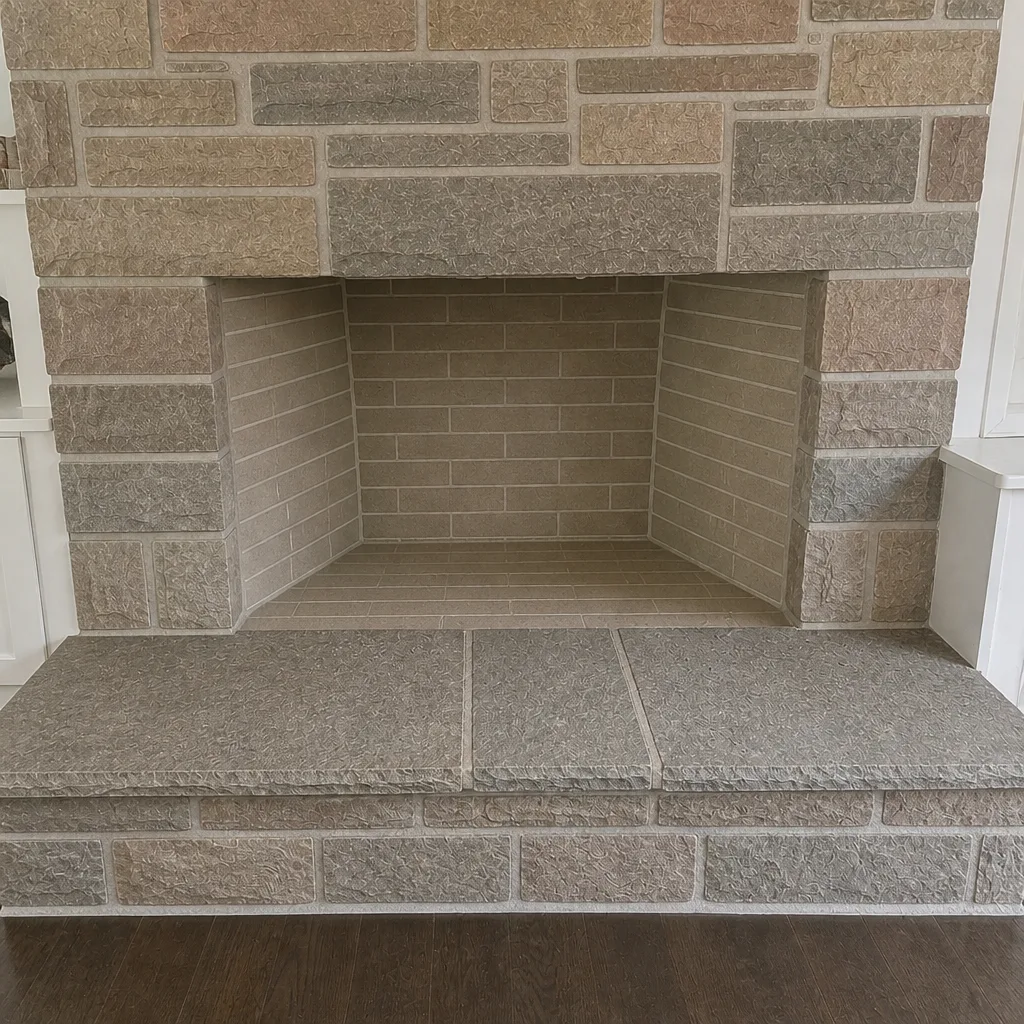
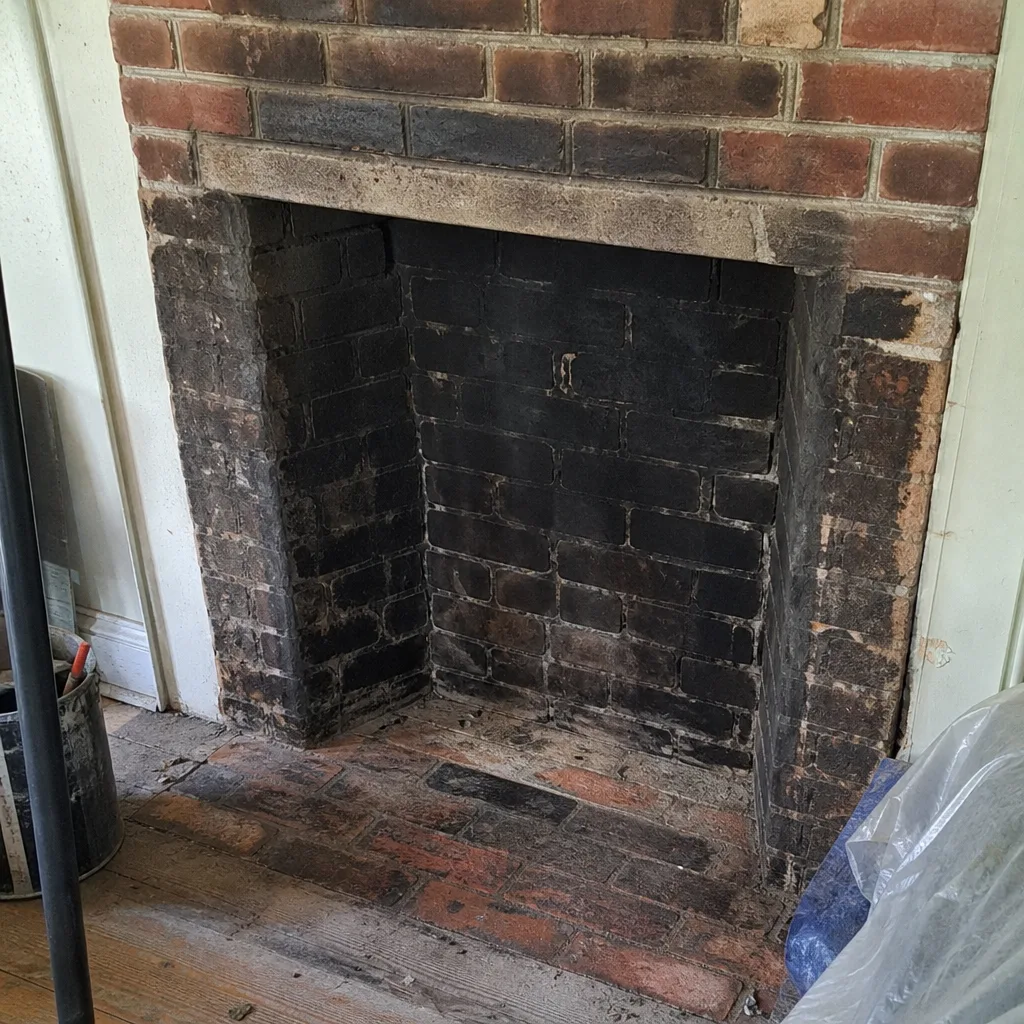
See the difference
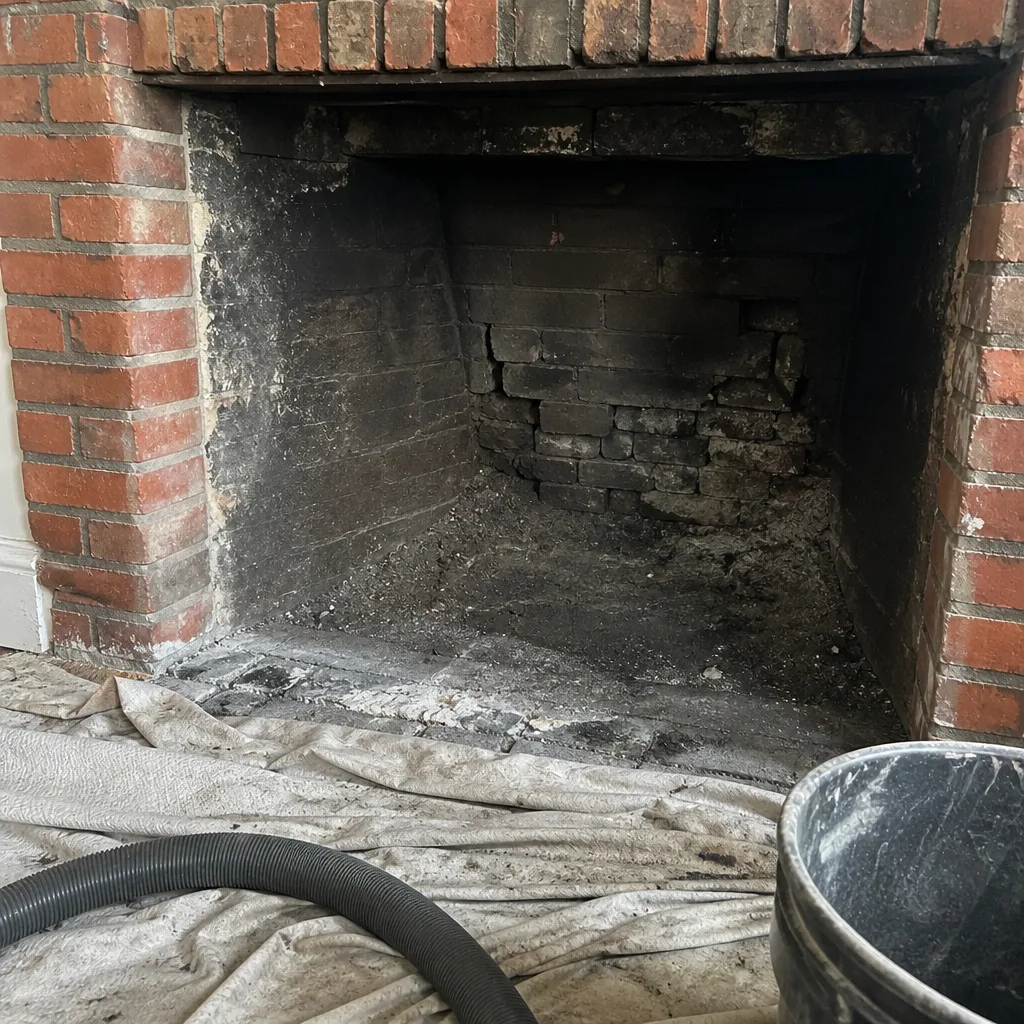 Before
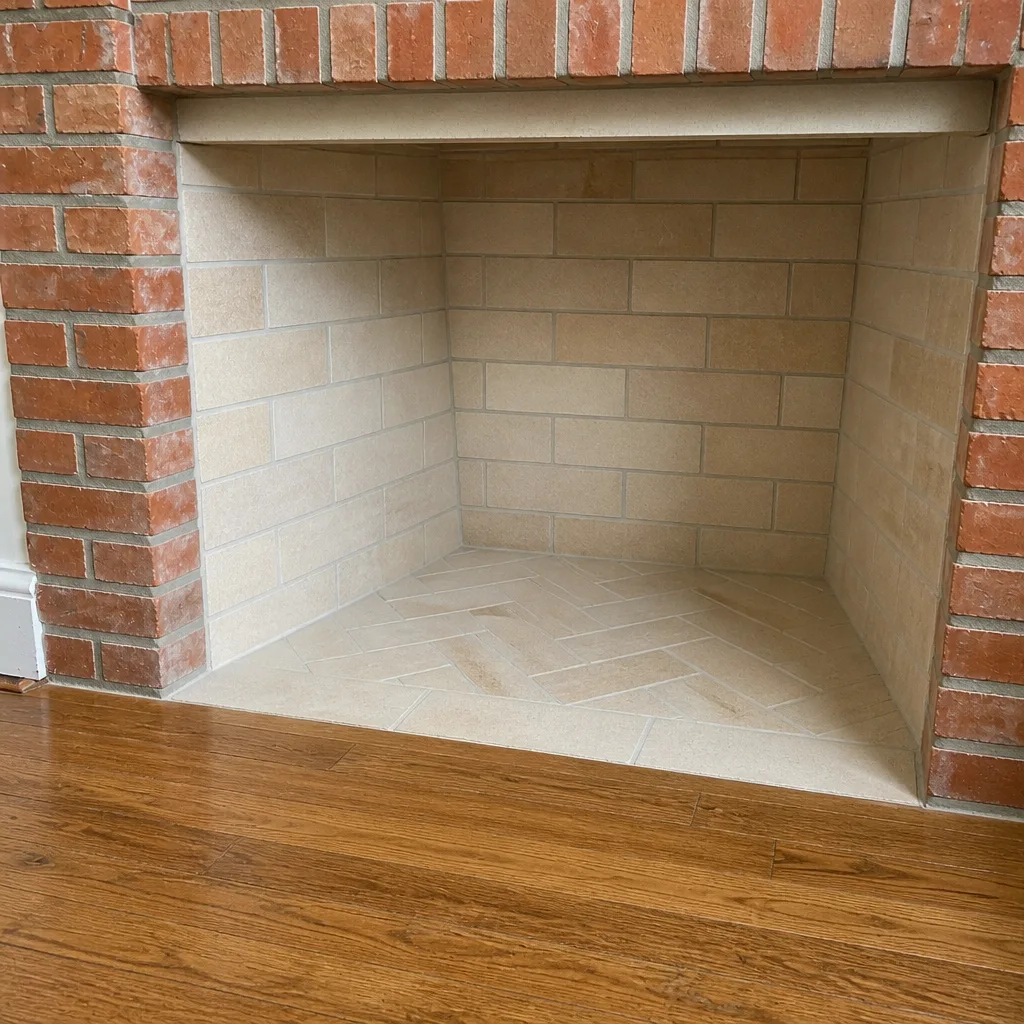 After
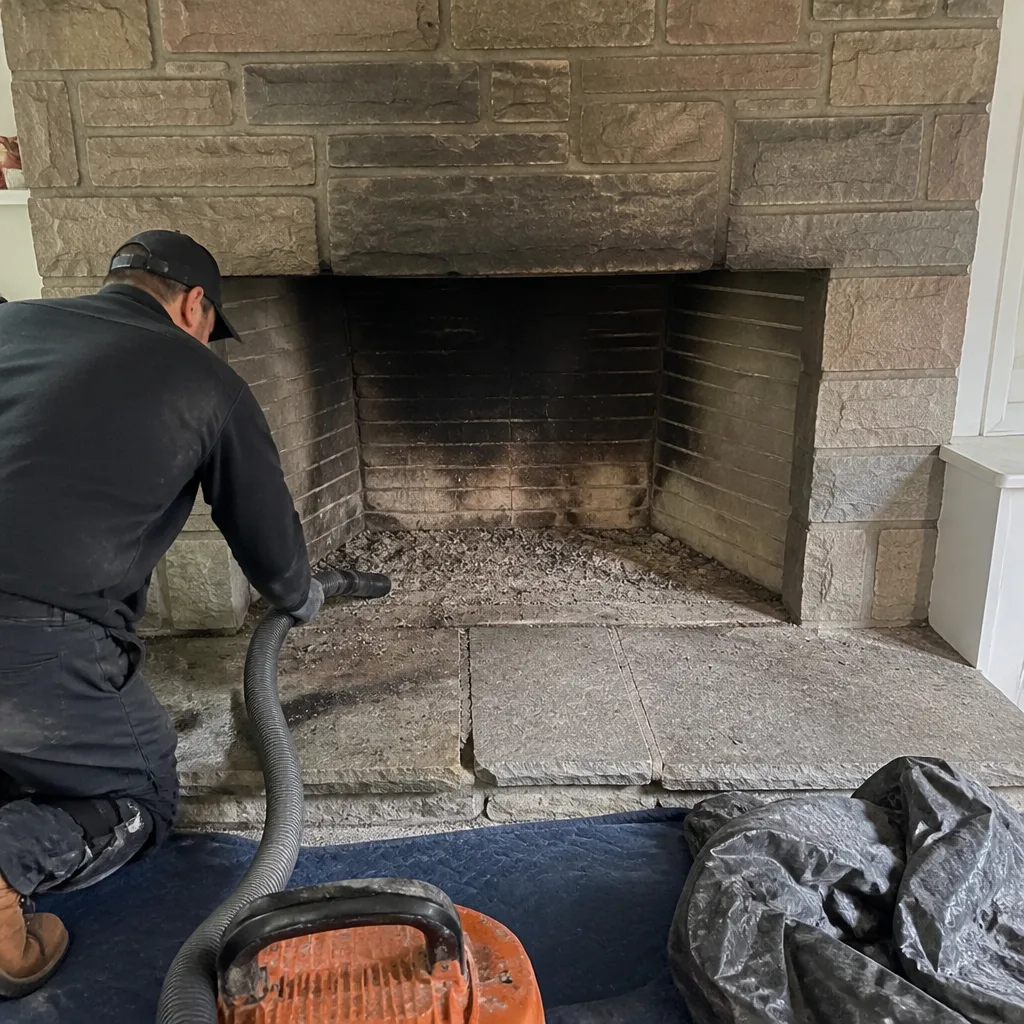 Before
 After
 Before
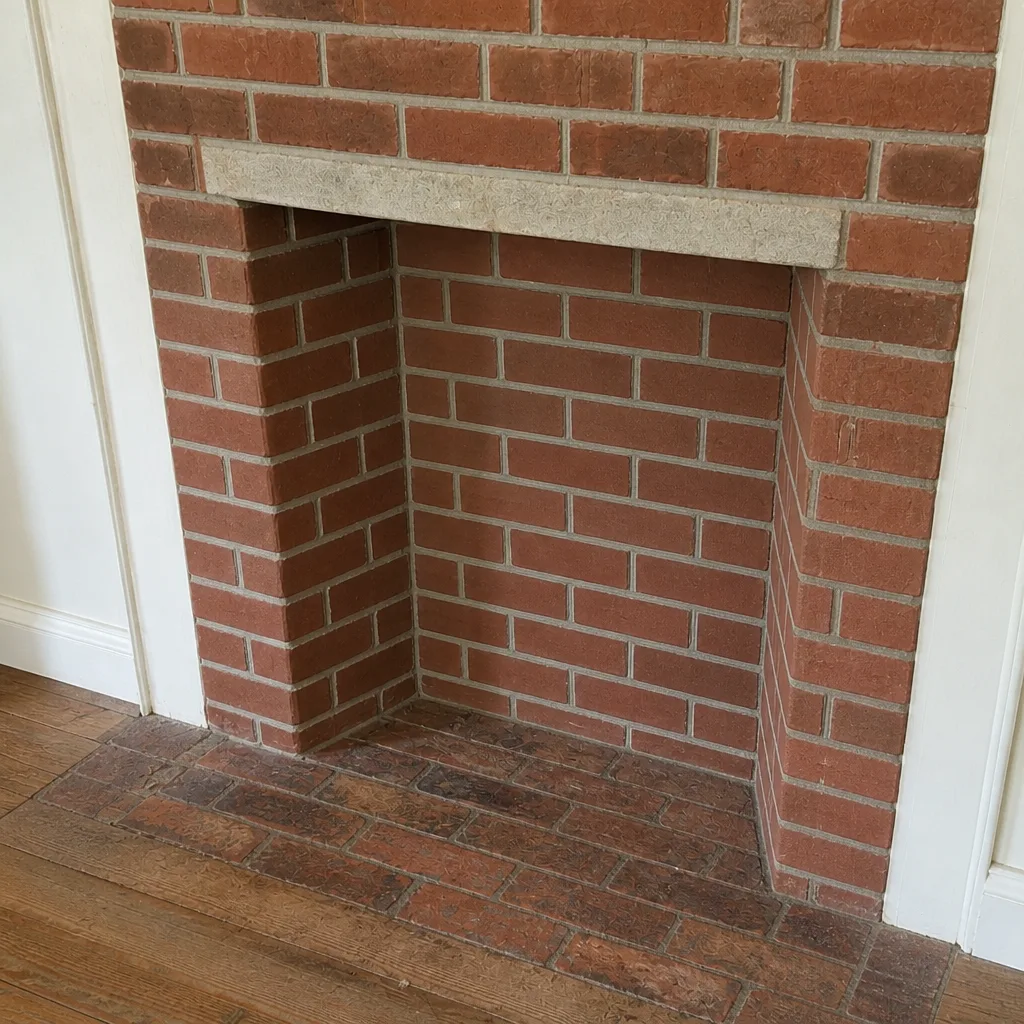 After
When to Call a Professional
The short answer is always before the chimney gives you a reason to. In practice, Inwood homeowners should call when any of the following shows up:
- You smell smoke inside the house during or after a fire.
- You hear water dripping inside the chimney or see staining on the masonry near the chimney.
- The crown has visible cracks, spalling, or a coating that’s peeled away.
- The cap has come loose, tilted, or lost its spark screen.
- You’ve had a chimney fire, or you suspect one.
- Your carbon monoxide detector has activated for any reason connected to the fireplace or heating appliance.
- You’ve moved into an older Inwood home with no chimney service records and want a baseline inspection.
- Your flue hasn’t been inspected in more than a year of regular burning.
Chimney Sweep Inwood offers free estimates in Inwood – call (844) 625-7414. We’ll schedule an inspection, walk you through what we find, and give you a written estimate for any work before it’s done.
Frequently Asked Questions
For sealants, CrownCoat and ChimneySaver are the names to know. For liners, DuraFlex and Olympia Chimney are widely recognized professional-grade systems. For liner resurfacing, HeatShield is the standard. For crowns, caps, and structural components, Copperfield and Famco are common professional-grade sources. The brand matters, but the specific product and application matter more – a chimney professional should always be able to tell you which product they’re using and why. Call (844) 625-7414 for an exact quote – estimates are free.
Both matter, but the product is what determines whether the repair lasts through the seasons. A crown coated with a chimney-specific product designed for thermal movement can hold for years; a general roof sealant can crack in a couple of freeze-thaw cycles. Good labor applied with the wrong product fails on the product’s timeline. That’s why our estimates name the specific products we’ll use, and we explain why each is appropriate for the chimney. Call (844) 625-7414 for an exact quote – estimates are free.
Ask for the specific product name and the manufacturer warranty. A professional-grade product has a manufacturer relationship behind it, and that relationship supports a warranty. If a contractor can’t name the product or can’t produce warranty terms, that’s not a professional-grade install. It’s also reasonable to ask whether the installer is authorized to use the product – some systems, HeatShield for example, require installer training or a manufacturer relationship. Call (844) 625-7414 for an exact quote – estimates are free.
Yes, and the difference is measurable. A liner of the wrong alloy in a gas appliance pits faster than the correct alloy. A crown with the wrong sealant fails in fewer freeze-thaw cycles. A creosote product not formulated for the deposit stage it’s applied to won’t remove it. The brand is a proxy for the formulation, the testing, and the manufacturer support. The specific product choice is what makes the repair hold. Call (844) 625-7414 for an exact quote – estimates are free.
HeatShield is a ceramic-based liner resurfacing system used to restore the interior of an aging masonry flue. It extends the life of a flue that would otherwise need a full reline or rebuild and is a different repair path from a stainless steel liner. Most general contractors and multi-trade home services companies don’t install HeatShield because it requires a manufacturer relationship and specific training. If your Inwood home has an older masonry flue with surface wear, it’s a question worth asking. Call (844) 625-7414 for an exact quote – estimates are free.
No. 304 stainless handles wood-burning appliance exhaust well and is common in wood-burning installations. 316L contains molybdenum, which improves corrosion resistance against the byproducts of gas and oil combustion, and is the better fit for those appliances. Using the wrong grade can void the manufacturer warranty and shorten the liner’s service life. The installer should be able to tell you which grade is specified for your appliance and why. Call (844) 625-7414 for an exact quote – estimates are free.
It depends on the flue’s condition. If the masonry is structurally sound and only the interior surface has worn, resurfacing can restore the flue and extend its life. If the flue is failing at joints, is the wrong size for the appliance, or has structural damage, a full reline is the right repair. The decision belongs to a professional inspection, not to a guess. We recommend nothing until the chimney has been inspected and the reason is clear – and we’ll tell you when a repair can safely wait. Call (844) 625-7414 for an exact quote – estimates are free.
The Bottom Line
Chimney brands aren’t a marketing detail. They’re the material side of the repair, and they determine whether the work lasts through an Inwood winter or fails in two. The categories to know are chimney-specific sealants rather than general roof products, correct stainless steel alloy for the appliance type, professional creosote treatments matched to the deposit stage, and resurfacing systems like HeatShield for aging masonry flues that don’t yet need a full reline. Ask any contractor for the product name, the reason, and the written warranty. The answer tells you whether the repair is professional-grade.
If you’re ready to sort out your chimney, call Chimney Sweep Inwood at (844) 625-7414 for a free estimate. We answer 24/7, and fast dispatch runs 7am to 7pm, Sunday through Friday. We’ll inspect the system, explain what we find, and quote the work in writing.
Written by the team at Chimney Sweep Inwood.