
Last updated November 25, 2026
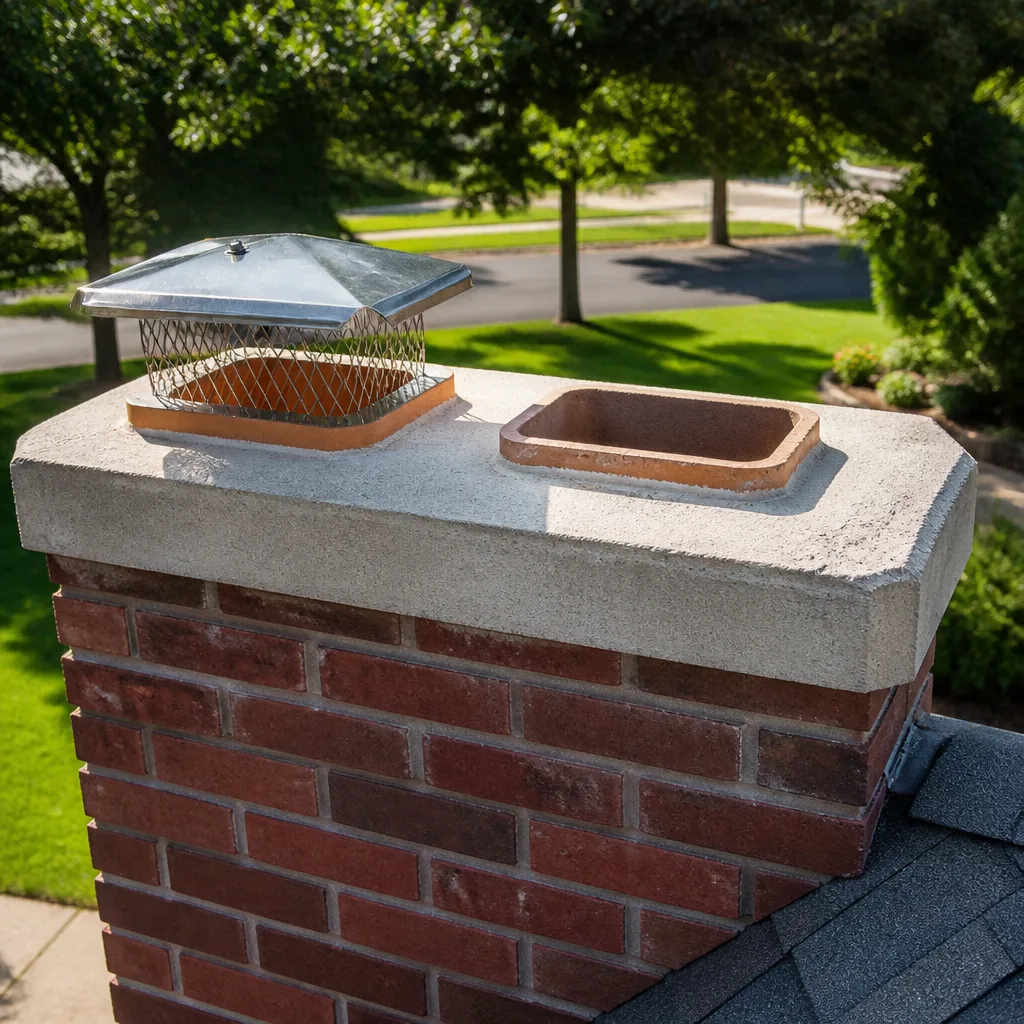 Sweep & inspection
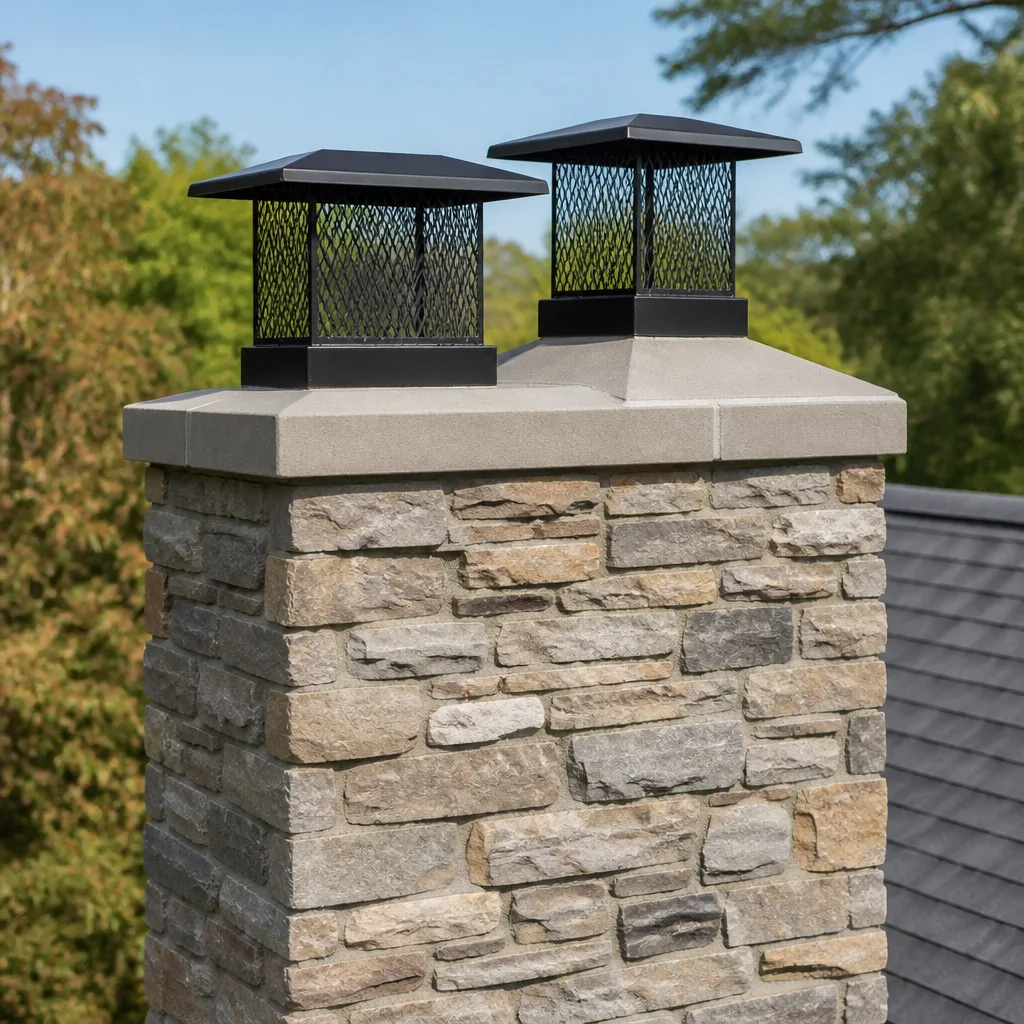 Caps & crowns
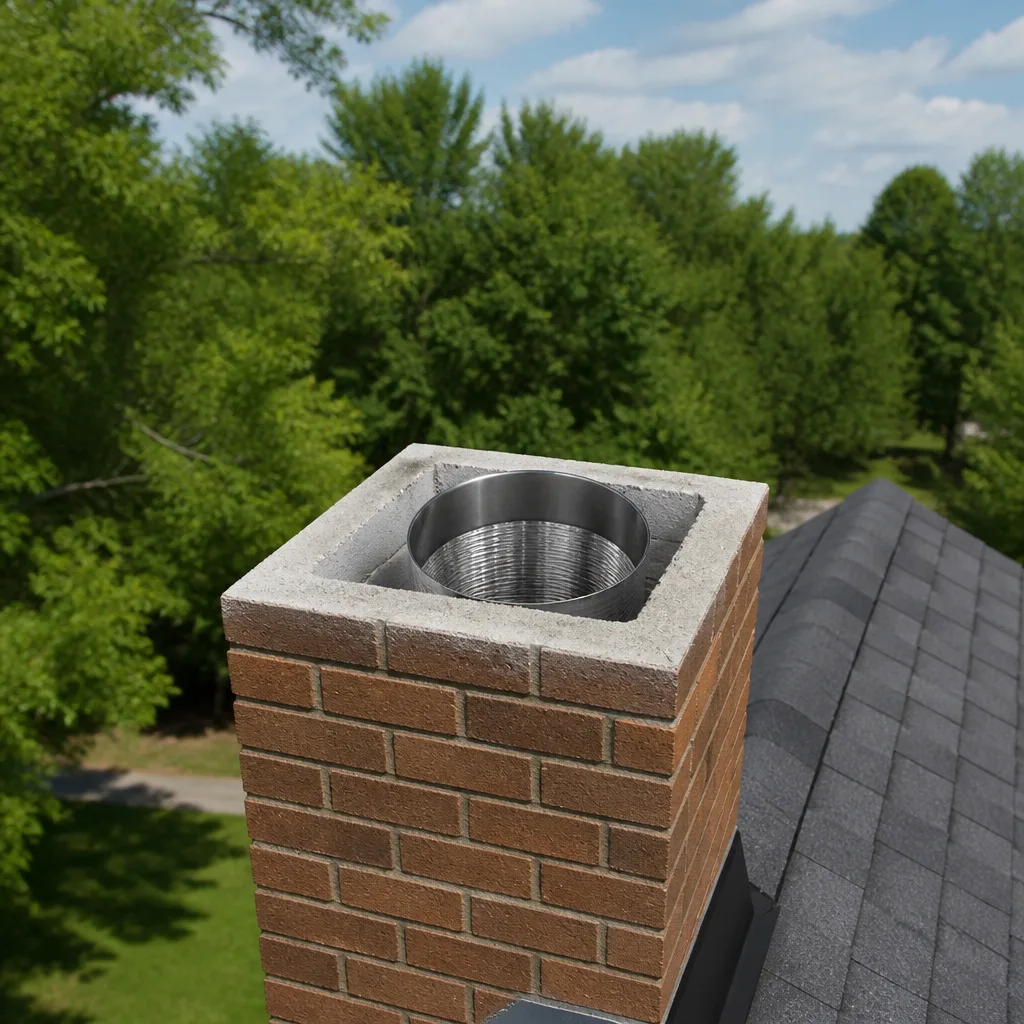 Flue relining
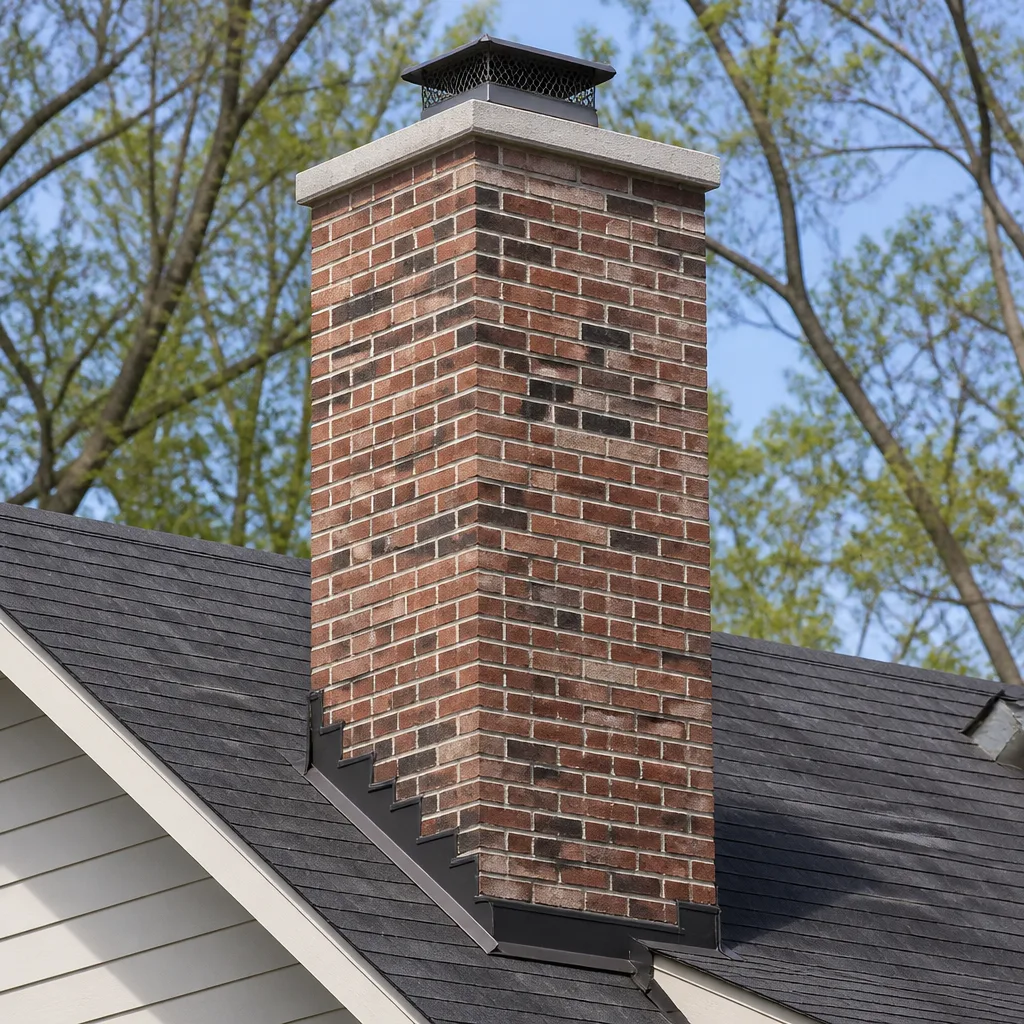 Masonry repair
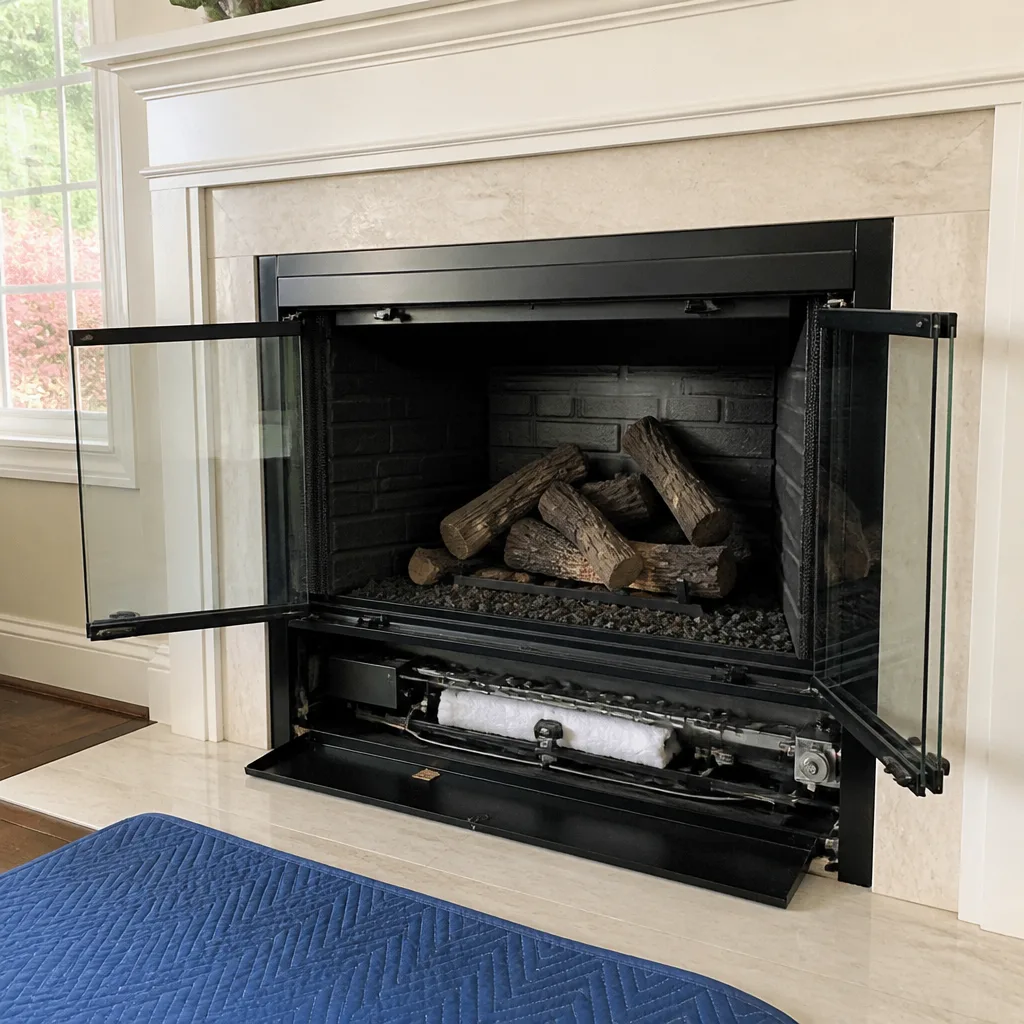 Gas fireplace service
Level 1 sweep and inspection to the NFPA 211 annual standard - flue, crown, cap, and flashing checked and photographed
Chimney sweep logs do not sweep chimneys. They loosen some creosote - which then falls where a brush and vacuum still have to collect it.
The Complete Guide to Chimney Cleaning in Inwood
Most Inwood homeowners schedule a chimney sweep every year because that is what they have always heard you should do. But the standard professionals actually work from ties cleaning frequency to how much creosote has built up inside the flue, not to how many months have passed on a calendar. That single distinction changes everything about how you should think about your chimney: some homes here genuinely need a sweep twice in a heating season, and some can safely go longer than a year between visits. This guide walks through how chimney cleaning actually works in Inwood, why the neighborhood’s housing stock and weather shape the answer, what a full service should include, and what a proper written report looks like so you know exactly what you paid for.
Quick Answer
Chimney cleaning in Inwood is a three-stage service: an inspection first, a mechanical sweep second, and a written condition report third. How often you need it depends on creosote accumulation, which in Inwood is driven by the mix of older masonry chimneys and the damp, bay-influenced air that lets smoke vapors condense on cooler flue walls faster than in drier inland towns. A wood-burning fireplace used regularly usually needs sweeping based on buildup, often annually but sometimes more or less, and a gas fireplace needs an annual safety check even though it produces no creosote.
Styles & brands we work with
- Sweep & inspection
- Caps & crowns
- Flue relining
- Masonry repair
- Gas fireplace service
Table of Contents
- The Three Stages of a Real Chimney Service
- How Inwood’s Climate Affects Creosote
- Wood Types and Their Creosote Profiles
- What Older Masonry Changes About Cleaning
- How Often Should an Inwood Chimney Be Cleaned?
- What Your Written Report Should Itemize
- Common Mistakes to Avoid
- When to Call a Professional
The Three Stages of a Real Chimney Service
A chimney cleaning is not one act. It is a sequence, and the order matters. Skipping or rushing the first stage is where most problems get missed, because a sweep alone tells you the flue is now clean; only an inspection tells you whether it was safe before and whether it still is. Here is how a proper service breaks down.
- Inspection. Before any brush goes in, the technician checks the firebox, damper, smoke chamber, flue, cap, and crown. A camera is often used to see the upper flue and any offsets. This stage establishes the baseline: what type of flue you have, how much creosote is present, and whether there is damage the cleaning could expose or worsen.
- Sweep. With the baseline recorded, the flue is brushed with the correct head for its shape and material. Masonry flues get a poly or wire brush sized to the tile; prefab liners get a softer head. A proper setup uses drop cloths and a sealed vacuum so no soot enters the room. The firebox and smoke shelf are cleaned as well, not just the flue.
- Condition report. After cleaning, the technician records what was found and what it means. This is the deliverable most homeowners never know to ask for, and we will come back to it in detail below.
When we come out to an Inwood home, the inspection and the sweep are not separate products billed separately; they are two parts of one service. If the inspection reveals damage, the sweep may pause so the homeowner can decide how to proceed. That is the correct order, and it protects both the chimney and the person standing in front of the firebox.
How Inwood’s Climate Affects Creosote
Creosote is the residue left behind when wood smoke cools. It forms as a gas in the hot part of the flue and condenses into a solid deposit when it hits a cooler surface. The key variable is temperature: a flue that stays warm flows smoke out efficiently, while a flue that cools quickly gives the vapors somewhere to settle. In Inwood, proximity to Jamaica Bay and the generally damp, humid air of this part of Queens means chimneys spend more of the year cold and slow to warm. That has a measurable effect on how fast creosote accumulates compared to a drier inland location.
Two things follow from this for Inwood homeowners:
- Cold starts matter more here. The first fire of the season in a damp, cold masonry chimney produces more condensation than a fire in an already-warm flue. That first burn deposits more creosote than mid-season burns do.
- Shoulder-season burns are the riskiest. Mild, humid days when you light a fire to take the chill off but the flue never reaches full temperature are prime creosote-condensation conditions. In Inwood, those days are common in fall and early spring.
The practical upshot is that Inwood chimneys can build creosote faster than the same fireplace would in a drier climate, and the type of creosote matters. Soft, flaky creosote is easier to brush away. Glazed, hardened creosote bonds to the flue tile and requires more careful removal. A technician who works in Inwood regularly knows to look for the hardened variety and to check buildup before the heating season rather than mid-winter.
Wood Types and Their Creosote Profiles
The wood you burn changes what ends up in your flue. This is one of the most practical things an Inwood homeowner can control, and it is often the least understood. Firewood sold around this part of Queens tends to fall into a few broad categories, and each leaves a different residue profile.
- Oak. Dense and slow to season, oak produces good, sustained heat once it is fully dry, but it holds moisture longer than softer woods. Burning oak that is not fully seasoned is one of the most common causes of heavy creosote in this area, because the moisture has to boil off before the wood can burn cleanly, and that cooling effect drives condensation in the flue.
- Mixed hardwood. Common in local cords, mixed hardwood burns hotter and faster than straight oak and seasons more quickly. The trade-off is a shorter burn and more frequent reloading. Its creosote profile is generally lighter than under-seasoned oak, provided the wood is actually dry.
- Softwoods. Faster to ignite and to season, but they burn hot and fast and can leave more fly ash. Fine for getting a fire started; less ideal as the main fuel in a chimney that already shows buildup.
Whatever you burn, the moisture content is the deciding factor. Wood with a high moisture content produces more smoke, more condensation, and more creosote regardless of species. A $10 moisture meter will tell you more about your firewood than any label on the cord. Seasoned wood reads in the low double digits; anything much wetter belongs in the stack for another year, not the firebox.
What Older Masonry Changes About Cleaning
Much of Inwood’s housing stock is older, and many of these homes have masonry chimneys with clay tile liners rather than modern factory-built prefab fireplaces. That difference changes the cleaning work in ways a generalist often underestimates.
Older masonry flues come with offsets, smoke chambers with sharp shoulders, and tile joints that have sometimes shifted or cracked. A brush that is too stiff or badly sized can catch on a displaced tile edge and crack it further. A chimney that was repointed or relined at some point may not have a uniform interior, which is why the inspection comes first. The smoke chamber above the damper is often the dirtiest and most overlooked part of an older masonry chimney, and cleaning it properly takes specific tools, not just a flue brush.
Prefab fireplaces are a different job. Their liners are stainless steel and their shapes are regular, so the sweep is faster, but the inspection is no less important because the liner itself can develop cracks or gaps at the joints. In both cases, the right cleaning is the one matched to the actual construction. A masonry flue with a HeatShield-resurfaced liner, for example, is cleaned differently than a bare clay tile, since the ceramic surface is a repair and needs to be treated with the correct brush.
We work with DuraFlex flexible liner systems and HeatShield ceramic resurfacing because older Inwood chimneys rarely match a standard flue configuration, and the correct materials are what make a repair last. That is the difference between a fix and a patch.
How Often Should an Inwood Chimney Be Cleaned?
There is no single calendar answer, but there is a reliable way to reason about it. Frequency should be driven by three things: how much you burn, how your wood is seasoned, and whether your flue is a masonry or prefab system. A homeowner in Inwood who burns a couple of cords of well-seasoned hardwood in a masonry fireplace typically lands on an annual cleaning, timed before the heating season. A homeowner who burns frequently, uses unseasoned wood, or has a flue that stays cold can build creosote faster and may need a mid-season check.
A gas fireplace needs no creosote cleaning, since it produces no wood smoke, but it does need an annual inspection. Gas fireplaces can develop blockages from nesting birds or debris, and their venting needs to be verified. Skipping the check on a gas unit is its own kind of risk, and it is a common gap in Inwood homes where the fireplace was converted from wood years ago.
Our practical recommendation for most Inwood homes:
- Book an inspection before the heating season begins, not after.
- Let the technician measure creosote buildup and tell you whether a sweep is needed now.
- If buildup is light and the flue is sound, the inspection can note a recheck date for next season without a full sweep.
- If buildup is heavy or glazed, sweep now and address any liner or cap issues found in the process.
That sequence keeps you from sweeping when you do not need to and from assuming you can skip it when you cannot. The chimney tells you what it needs if someone actually looks.
What Your Written Report Should Itemize
After every cleaning, you should walk away with a written condition report, and it should be specific enough that you can compare it year to year. This is the deliverable most homeowners never ask for, which is exactly why it matters. A report that says “cleaned, everything looks fine” tells you nothing. So here is what a real one itemizes.
- Flue type and internal dimensions, so future technicians know what they are working with.
- Creosote amount and type (light, moderate, heavy, and whether it is sooty or glazed).
- Condition of the flue liner – cracks, gaps, or displaced tiles noted by location.
- Damper and smoke chamber condition, including whether the damper seats and opens fully.
- Cap and crown condition – whether the cap is intact and the crown is shedding water or has cracks.
- Firebox condition – brick, mortar joints, and any evidence of moisture or deterioration.
- Photographs where the technician found something of note, so you can see it for yourself.
- Recommended follow-up items, clearly marked as urgent, needed soon, or can wait.
The photographs matter as much as the list. You should not have to take anyone’s word for a needed repair you cannot verify. A report with clear images and a clear note on what can safely wait is the standard we hold to. If a repair is recommended, you should be able to see why in the documentation, not just hear about it.
Common Mistakes to Avoid
- Sweeping only when you remember to. A chimney does not announce its creosote level, and waiting until the flue drafts poorly means you are cleaning after the problem has already developed. Book the inspection before the season, not after the first cold snap.
- Burning unseasoned wood to save money. Wet wood feels cheaper by the cord, but it deposits far more creosote and cools the flue. In Inwood’s damp climate, the condensation effect is pronounced, and a damp cord is a false economy.
- Skipping the inspection to save the step. A sweep that skips inspection can brush past a cracked liner or a failing cap. The inspection is not a sales pitch; it is how the sweep knows what it is working on.
- Ignoring the cap and crown. A missing or damaged cap lets water and animals into the flue, and a cracked crown does the same from above. These are small repairs that prevent larger masonry problems, and they belong in the same visit as the sweep.
- Assuming a gas fireplace needs no service. Gas units produce no creosote, but they still need their venting and components checked annually. Converting from wood does not retire the chimney from maintenance.
- Trusting a report that names no specifics. If the written report does not itemize the flue, liner, damper, cap, and crown with photos, ask for one that does. A vague report is not a record you can rely on.
- Letting a general handyman handle it. Chimney work is a single trade for a reason. The tools, the brush sizing, the camera, and the repair methods are specific to this system, and most multi-trade contractors do not carry them or use them daily.
When to Call a Professional
Some signs are routine and some are not. Call a professional if you have never had the chimney inspected and you have been burning for a season or more, if smoke backs into the room when you light a fire, if you smell a strong creosote odor on warm days, if the damper sticks or will not close fully, or if you can see cracked or missing brick inside the firebox. Call immediately if you see or smell gas at a gas fireplace, or if you notice soot streaks on the wall near the chimney, since that can indicate a venting failure. A trained technician should handle the flue and firebox directly; the interior of a chimney is a genuinely dangerous place to work without the right equipment and training. For Inwood homeowners, Chimney Sweep Inwood offers free estimates; call (844) 625-7414. We answer 24/7. Fast dispatch from 7am to 7pm, Sunday through Friday.
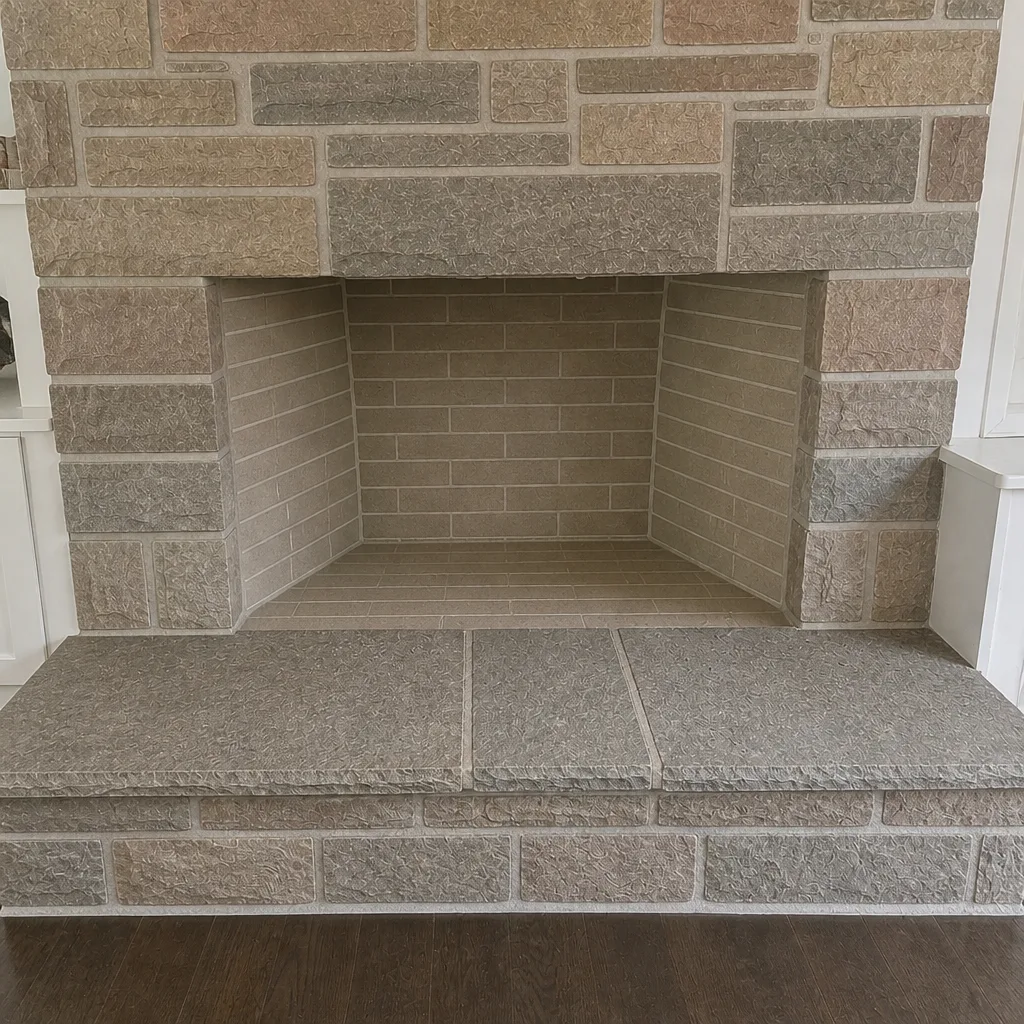
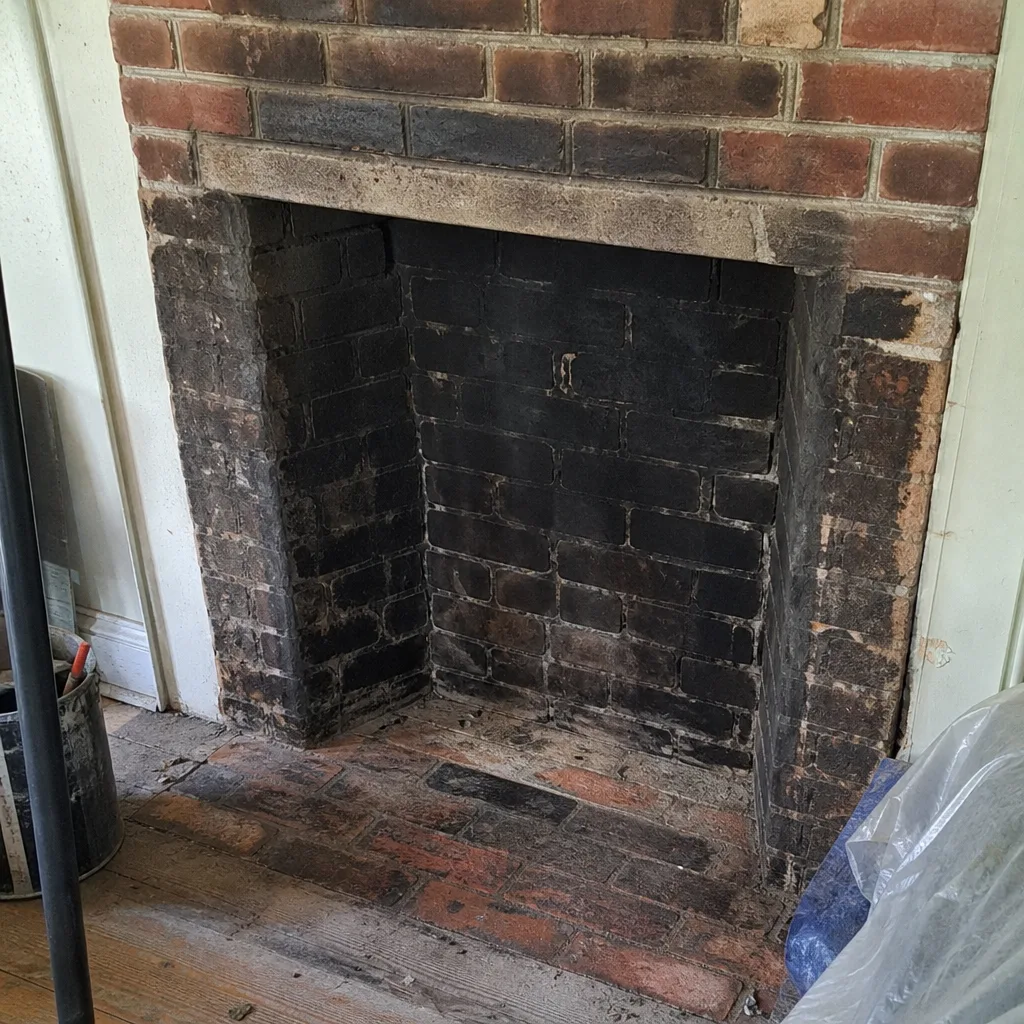
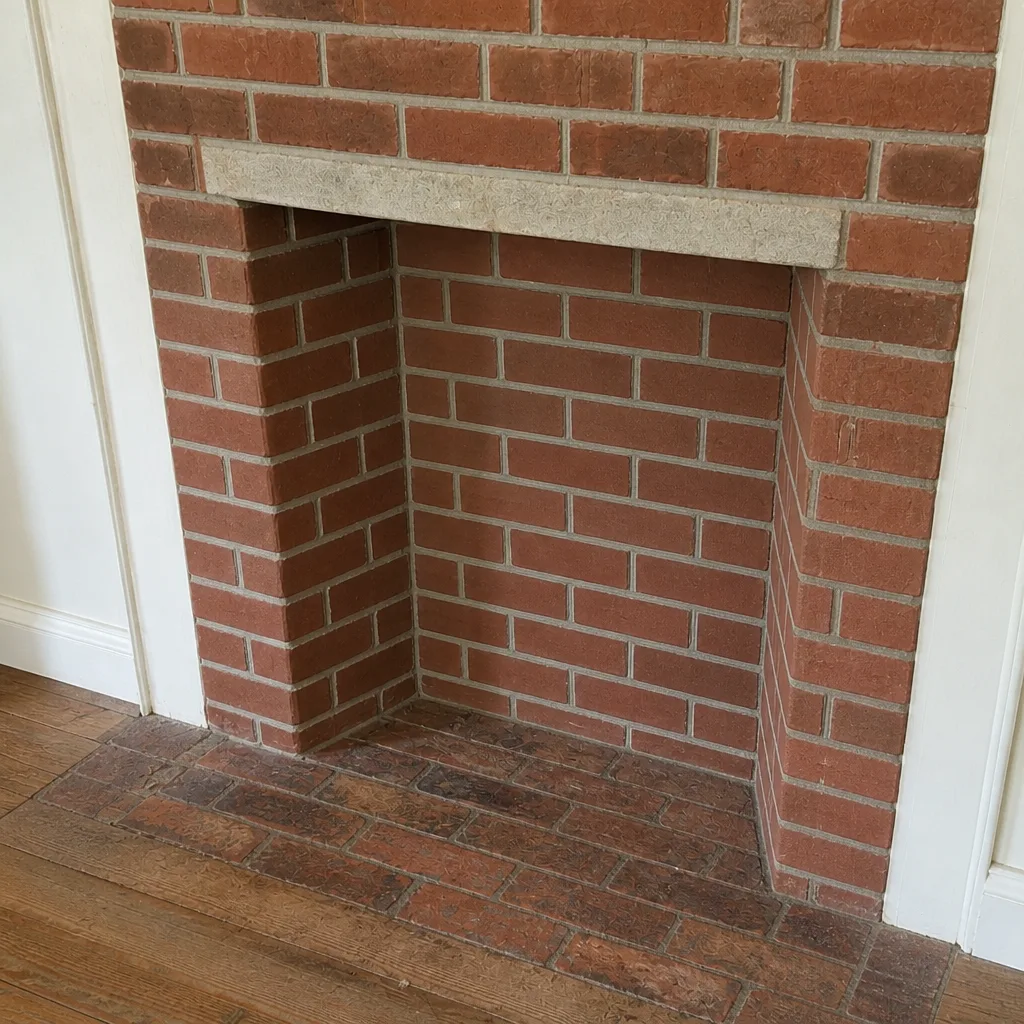
See the difference
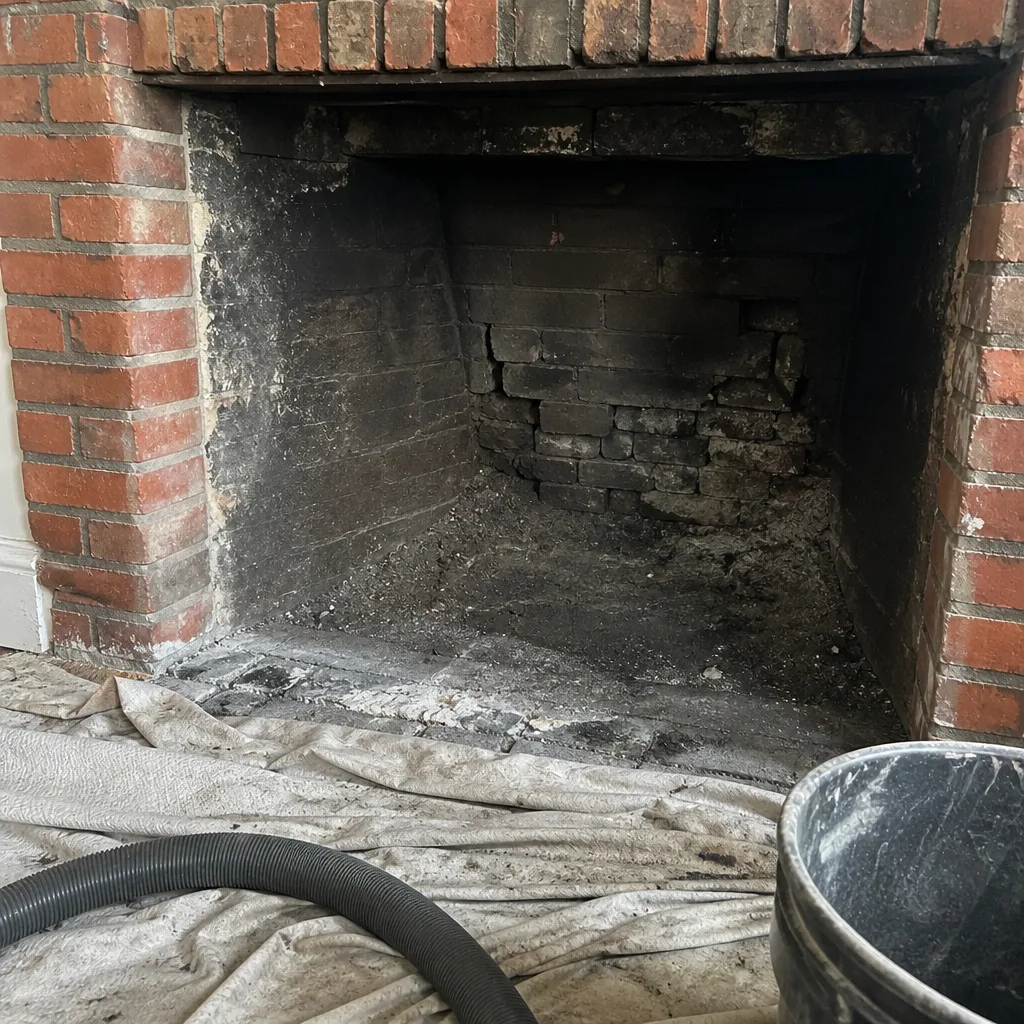 Before
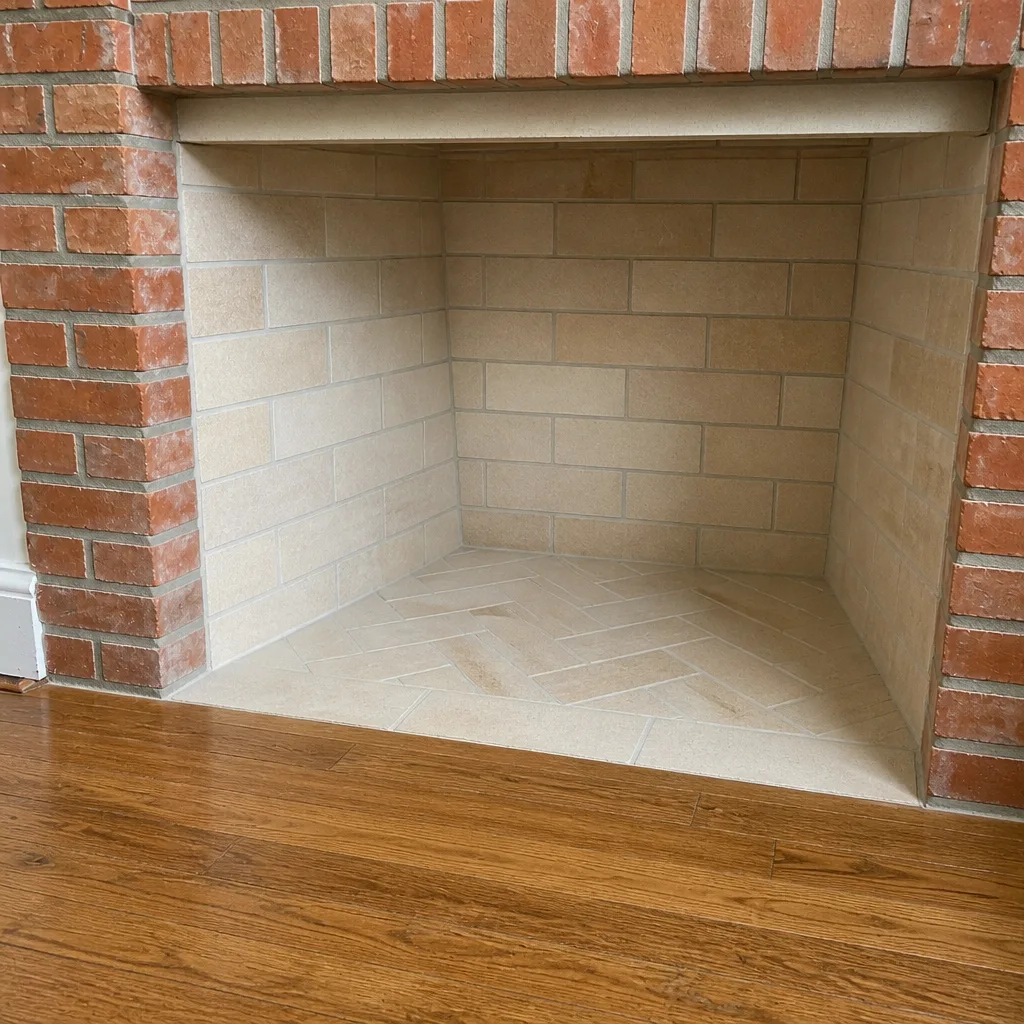 After
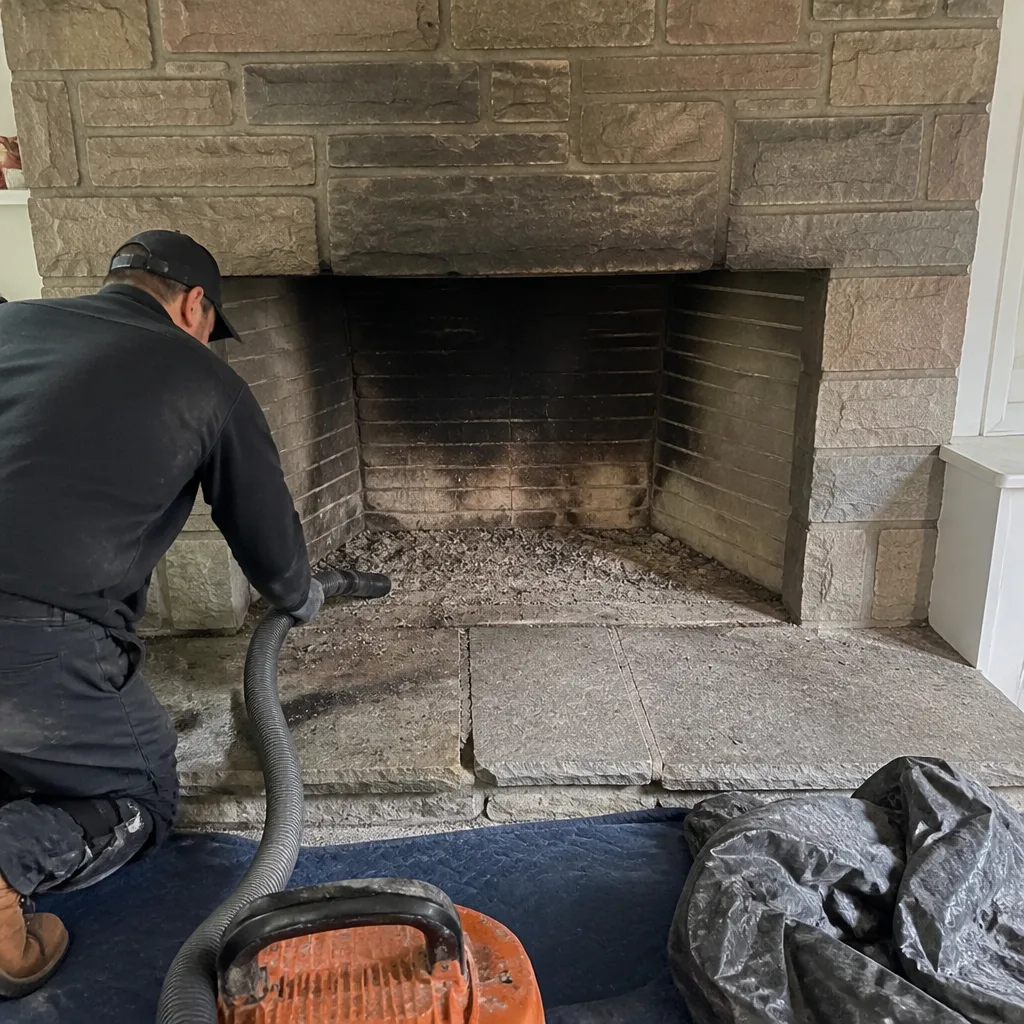 Before
 After
 Before
 After
Frequently Asked Questions
A standard chimney cleaning in Inwood is typically priced per job based on the flue type, how much buildup is present, and whether repairs are needed, and the written estimate sets the final price. The inspection is part of the service, not a separate line item, and estimates are free. Call (844) 625-7414 for an exact quote. We answer 24/7. Fast dispatch from 7am to 7pm, Sunday through Friday.
Not always, and that is the honest answer. A liner needs replacement when the inspection shows cracking, gaps, or a flue that is undersized for the appliance, and the evidence should be photographed so you can see it. Some aging masonry flues can be resurfaced with HeatShield ceramic rather than fully relined, which extends the life of the existing structure. Nothing should be recommended without camera evidence you can look at yourself. Call (844) 625-7414 for a free estimate.
Base it on creosote buildup, not the calendar. Many Inwood homes with wood-burning fireplaces land on an annual sweep timed before the heating season, but homes that burn frequently or use less-seasoned wood may need a mid-season check, and a gas fireplace needs an annual inspection with no creosote sweep. Let the measurement decide. Call (844) 625-7414 to book an inspection. We answer 24/7. Fast dispatch from 7am to 7pm, Sunday through Friday.
Creosote accumulates whether or not anyone looks, and heavy or glazed creosote is a genuine fire risk because it can ignite inside the flue. The other risk is carbon monoxide: a blocked or damaged flue can let combustion gases back into the home instead of venting them. Neither is a scare tactic; both are reasons a chimney is inspected and swept on a schedule. Call (844) 625-7414 for a free estimate before the season starts.
Often, yes. The inspection and sweep are one service, and many issues found during the inspection, such as a worn cap, a cracked crown, or a damaged damper, can be addressed in the same visit. Larger repairs like a liner replacement or a HeatShield resurfacing are scoped in the written report and scheduled accordingly. You will not be handed off to a second contractor for the fireplace or the chimney repair. Call (844) 625-7414 to discuss what your chimney needs.
It needs an annual inspection, not a creosote sweep. Gas fireplaces produce no wood creosote, but their venting, burner, and components still need checking, and a bird nest or debris blockage can create a real hazard. If your Inwood home has a gas fireplace that has gone a year or more without a look, book an inspection. Call (844) 625-7414. We answer 24/7. Fast dispatch from 7am to 7pm, Sunday through Friday.
The Bottom Line
Chimney cleaning in Inwood is a three-stage job: inspection, sweep, and a written condition report with photos. How often you need it depends on creosote buildup, which this neighborhood’s damp, bay-influenced air and older masonry housing stock accelerate compared to drier, newer construction. The wood you burn matters, seasoned hardwood beats wet oak every time, and the report you walk away with should be specific enough to compare year to year. Skip the calendar assumptions and let the inspection decide. When it is time, a specialist who works on chimneys daily will do the job correctly and show you the evidence behind any recommendation. For a free estimate, call Chimney Sweep Inwood at (844) 625-7414. We answer 24/7. Fast dispatch from 7am to 7pm, Sunday through Friday.
Written by the team at Chimney Sweep Inwood.