
Last updated November 25, 2026
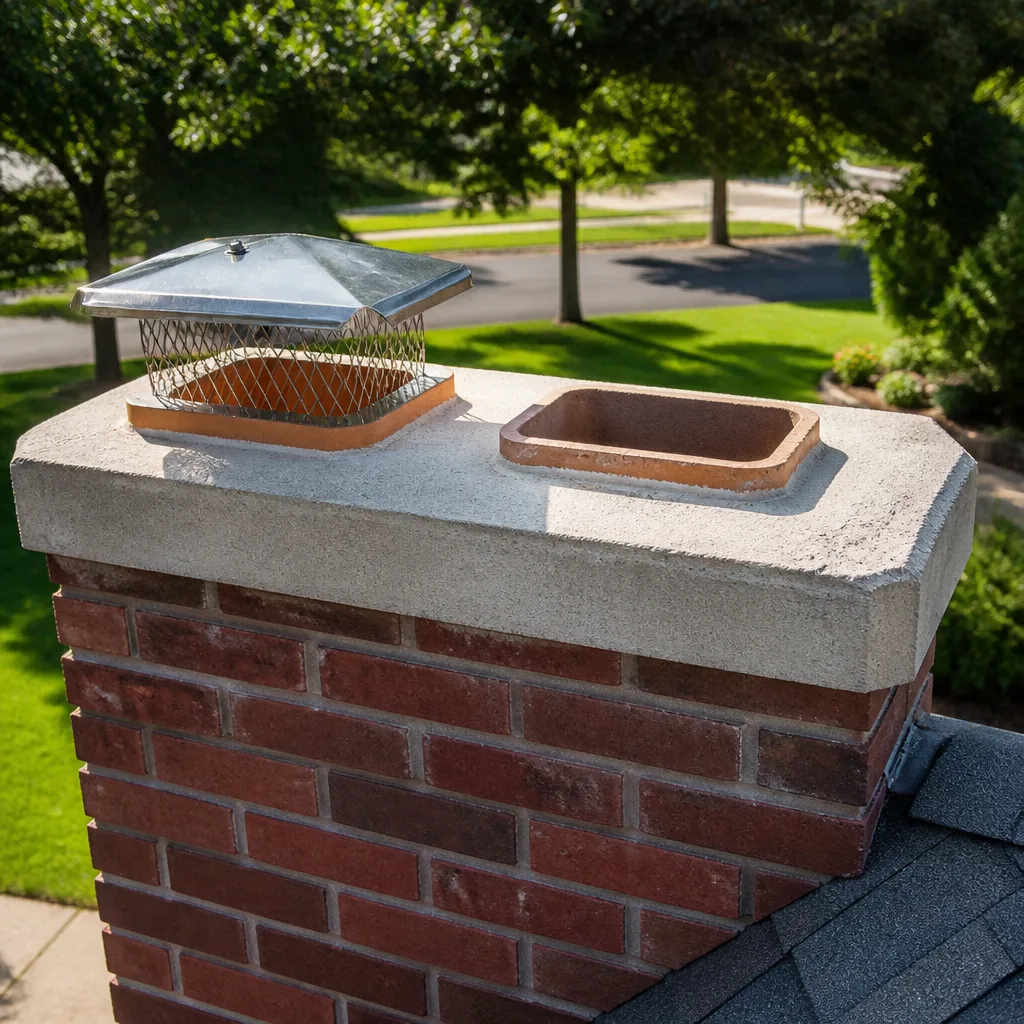 Sweep & inspection
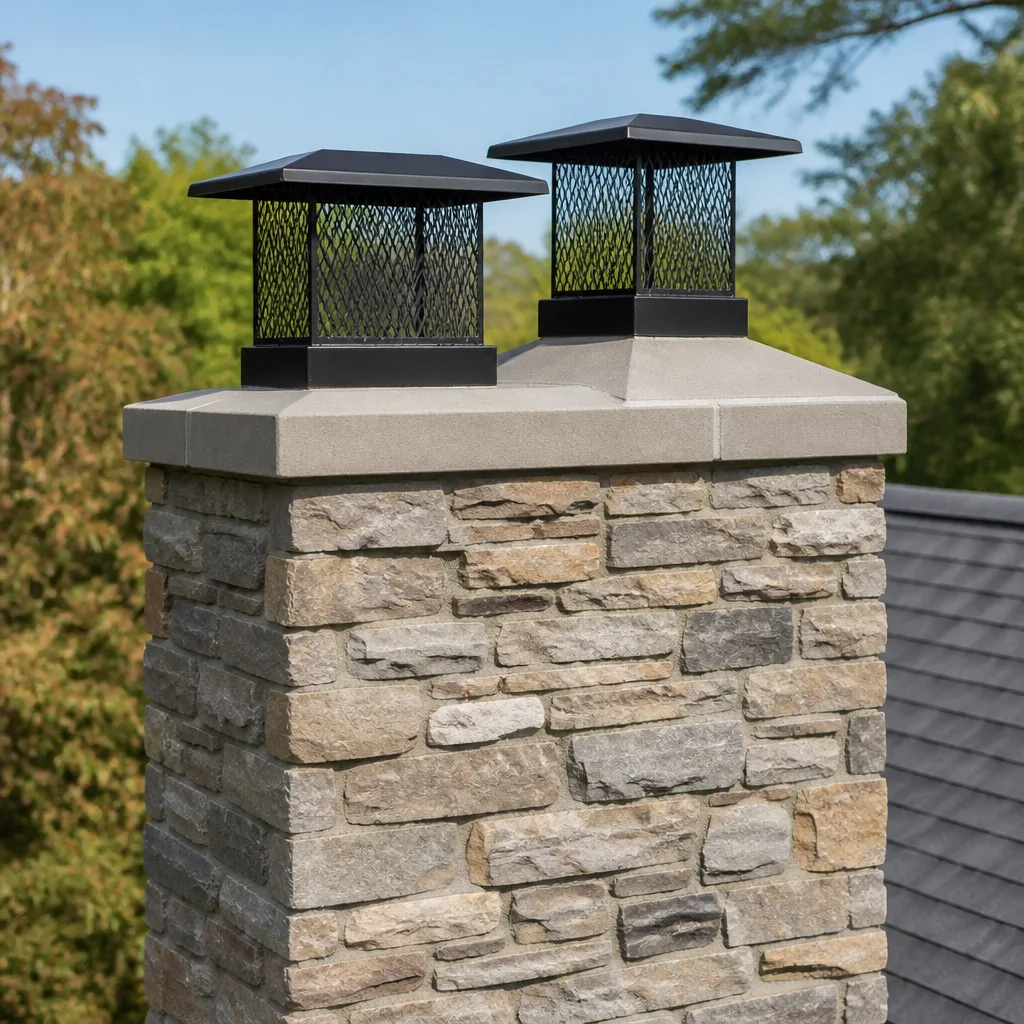 Caps & crowns
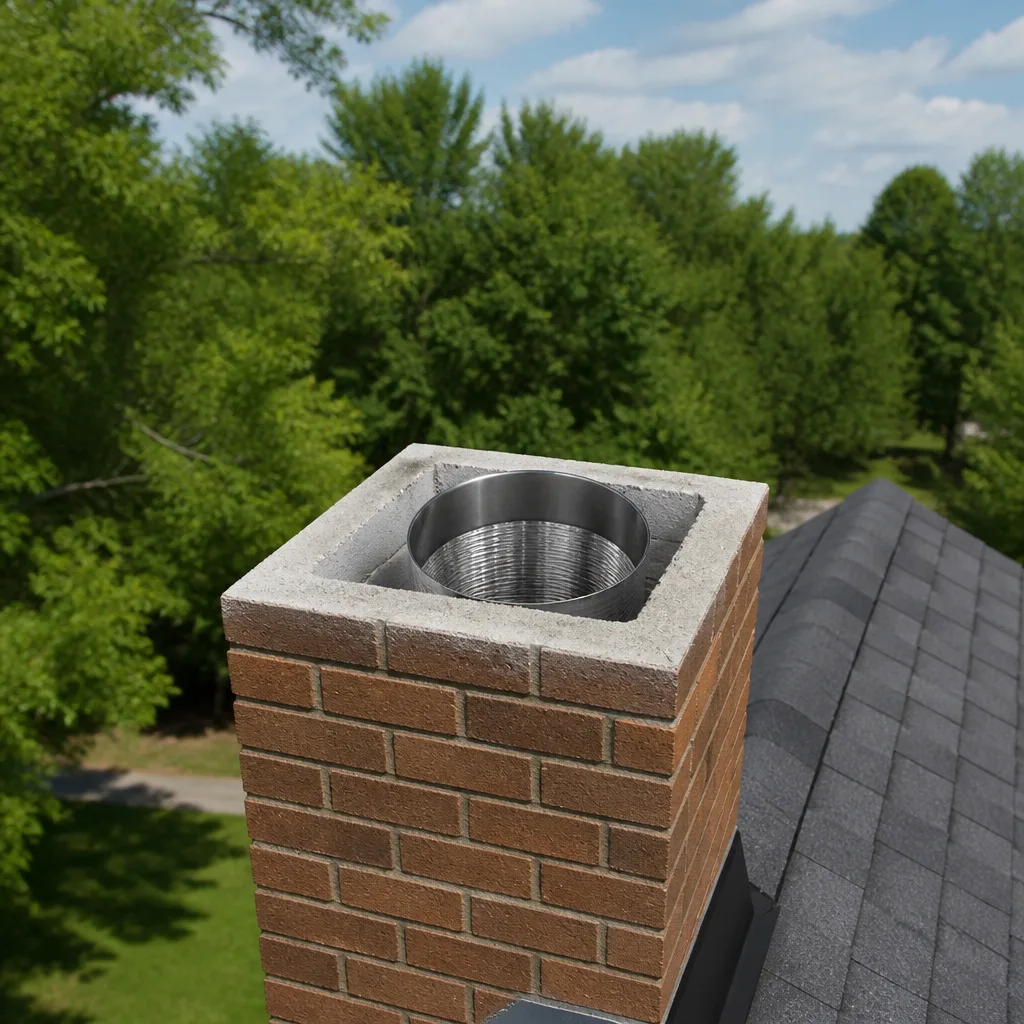 Flue relining
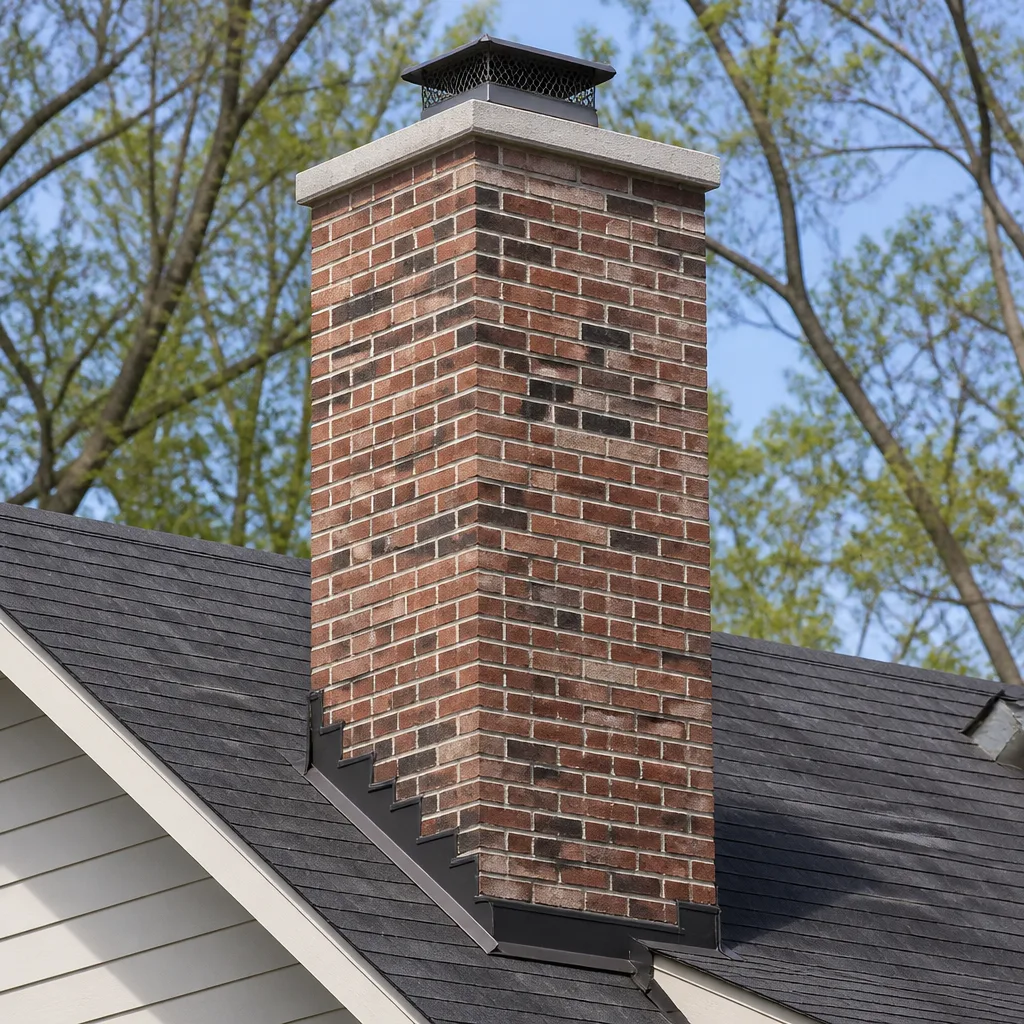 Masonry repair
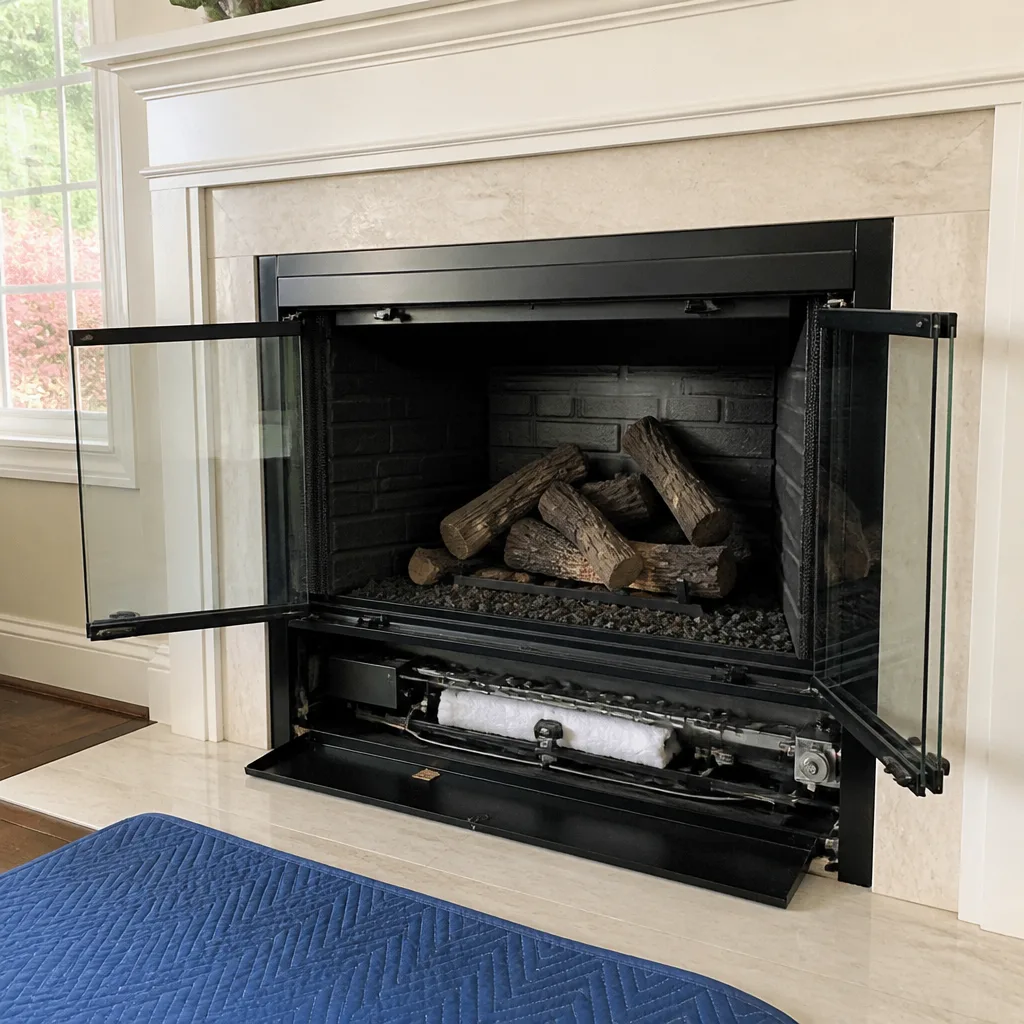 Gas fireplace service
Level 1 sweep and inspection to the NFPA 211 annual standard - flue, crown, cap, and flashing checked and photographed
Chimney sweep logs do not sweep chimneys. They loosen some creosote - which then falls where a brush and vacuum still have to collect it.
DIY vs Professional Chimney Cleaning: The Inwood Homeowner’s Decision Guide
Every chimney brush kit on a hardware store shelf is sold legally. That’s the part most homeowners don’t question. The brush will fit a flue, the rods will screw together, and the whole thing will cost less than a single professional visit. What the packaging can’t tell you is that cleaning and inspecting are two different jobs, and the brush only does one of them. The NFPA 211 standard that governs chimney safety treats inspection as a separate professional function. Inwood has a lot of older housing stock with masonry flues that have been through decades of heating seasons, and a missed liner crack in a shared-wall building is a different kind of problem than a missed crack in a standalone house. This guide walks through what you can legitimately handle yourself, what requires equipment and training you probably don’t have, and how the math works out over five years.
Quick Answer
A homeowner can safely handle ash removal, firebox vacuuming, and a visual check of the cap and crown from ground level. Anything beyond that – brushing the flue, assessing liner integrity, scanning for cracks – needs professional equipment and training, because cleaning without inspection leaves the most dangerous problems unseen. In Inwood’s older masonry buildings, where flues are often shared or tightly packed, the inspection half of the job matters more than the cleaning half.
Styles & brands we work with
- Sweep & inspection
- Caps & crowns
- Flue relining
- Masonry repair
- Gas fireplace service
Table of Contents
- What a Homeowner Can Legitimately Do Themselves
- The Equipment Gap: What Changes the Safety Assessment
- Why Inwood’s Buildings Raise the Stakes
- The Real Cost of DIY vs Professional Over Five Years
- The Insurance and Liability Angle
- How a Professional Sweep Actually Works
- A Safe DIY Maintenance Routine
- When Professional Service Is Non-Negotiable
What a Homeowner Can Legitimately Do Themselves
There’s real work you can do between professional visits, and doing it well extends the life of your fireplace and reduces what a sweep has to clear out. The key is knowing where the line sits. Everything below the damper is generally yours to manage. Everything above it is where the professional’s tools and training start to matter.
Here’s what’s reasonable to handle yourself:
- Ash removal. Empty the firebox once the ash has fully cooled, usually a day or two after the last fire. Keep a metal container with a lid for transport and storage. Ash holds heat longer than people expect.
- Firebox vacuuming. A shop vacuum with a fine-particulate filter handles soot and dust around the firebox floor and the lower brick face. A household vacuum will clog and won’t capture the fine particles.
- Glass and door cleaning. Creosote haze on fireplace glass comes off with a proper creosote solvent or a paste of ash and water. This is cosmetic upkeep, not safety work, but clean glass makes it easier to spot changes in how the fire burns.
- Ground-level cap and crown check. From the yard or the street, you can see whether the cap is still attached, whether the crown looks cracked, and whether there’s visible damage to the top of the stack. Binoculars help. What you can’t see from the ground is the flue interior, and that’s the part that matters.
- Seasonal burn checks. Before the first fire of the season, look for draft problems, smoke rollback into the room, or a damper that no longer moves freely. These are symptoms worth writing down and mentioning at your next professional visit.
What you shouldn’t do: climb onto the roof to check the crown up close, run a brush through the flue without knowing what condition the liner is in, or attempt any repair to masonry or liner components. A brush pushed through a flue with a cracked liner can dislodge material that was previously held in place. In Inwood’s older buildings, where the masonry has been through many freeze-thaw cycles, this isn’t a hypothetical concern.
The Equipment Gap: What Changes the Safety Assessment
The reason a professional sweep is different from a homeowner with a brush isn’t that the professional brushes harder. It’s that the professional brings equipment that turns cleaning into an actual safety assessment. That distinction is the whole argument.
Here’s what a proper chimney sweep brings that a hardware store kit doesn’t:
- Rotary cleaning systems. These use a powered whip or chain head that follows the contour of the flue and removes glazed creosote that a hand brush can’t touch. Glazed creosote is the third-degree stage of creosote buildup, and it’s the most combustible. A hand brush skims the surface of it and leaves most of it in place.
- HEPA vacuums. The dust that comes out of a flue during cleaning is fine, and it goes everywhere without containment. A HEPA vacuum sealed to the firebox opening keeps the work area clean and keeps the technician from breathing what’s coming out.
- Video scanning equipment. A camera run down the flue shows the actual condition of the liner – cracks, gaps, spalling, offset joints, and the kind of damage that’s completely invisible from the firebox. This is the single biggest difference between cleaning and inspecting.
- Combustion and draft testing. Instruments that measure how the chimney is actually pulling, which tells you whether the fireplace is venting correctly or is quietly spilling exhaust into the living space.
- Liner and repair materials on hand. When the scan finds a problem, a professional can address it. We work with DuraFlex flexible liner systems for retrofits in older or non-standard flue configurations where rigid systems don’t fit, and HeatShield for ceramic flue resurfacing. Those aren’t products a homeowner installs.
Improvised versions of this equipment are a liability. A shop vac not rated for fine particulate blows soot back into the room. A homemade camera rig doesn’t give a usable image. And a brush run through a compromised flue can cause damage that costs far more to fix than the sweep would have.
Why Inwood’s Buildings Raise the Stakes
Inwood’s housing stock is old, and a lot of it is masonry. That combination – age plus masonry flues – means the chimney has probably been through more heating seasons than the homeowner realizes, and it may have been modified or patched at some point along the way. Some Inwood properties are attached or semi-attached, with shared walls and flues that run close together. That changes the risk profile of a missed defect.
Here’s the specific concern: when a liner crack in a masonry flue goes undetected, heat and combustion gases can migrate into the surrounding masonry structure. In a standalone chimney that’s a contained problem. In a building with shared walls or adjacent flues, it isn’t. A camera scan catches this; a brush doesn’t. The difference isn’t about how clean the flue is at the end – it’s about whether anyone actually looked.
Inwood’s winters run cold enough that the fireplace gets real use, which means real creosote accumulation each season. The freeze-thaw cycling on exterior masonry is also rough on crowns and mortar joints, and small cracks at the top of a chimney let water in, which then freezes and expands and makes the cracks bigger. From the ground, a crown can look fine while it’s already failing. Getting up close to it, or having someone who knows what to look for do it, is part of the job.
There’s also the question of what’s been burned. Inwood has a mix of wood-burning and gas fireplaces, and some older units have been converted. A gas fireplace that’s venting through a flue designed for wood needs a different inspection than a wood-burning setup. We see this in older Inwood properties often enough that it’s the first thing we ask about.
The Real Cost of DIY vs Professional Over Five Years
The DIY argument usually starts with the price of one professional visit. The more useful comparison is what it actually costs to do the job properly yourself over five years, and what you get for the difference. The tool investment to DIY correctly is higher than most people expect.
Here’s a realistic accounting of the tool cost to DIY a proper cleaning (not just a surface brush):
- Rotary cleaning system with the right sized head for your flue: professional-grade units run into the hundreds of dollars.
- HEPA vacuum rated for fine particulate: another significant outlay, and the cheap versions don’t work well enough to justify the cost.
- Fiberglass rods, brushes in multiple sizes, and a drop cloth setup that actually contains soot: adds up fast.
- Inspection camera with enough resolution to see liner cracks: this is where the cost really climbs, and it’s the piece that matters most.
- Replacement brushes and heads as they wear: an ongoing cost, not a one-time one.
Over five years, the tool investment to DIY properly is typically several times the cost of annual professional service, and it still doesn’t give you the training to interpret what the camera shows. The written estimate sets the price for a professional sweep in Inwood, and it’s worth asking for it before you commit to buying equipment you’ll use once a year.
There’s also the time cost. A proper sweep with inspection takes a professional maybe an hour. The same job done by a first-timer with improvised equipment takes most of a day and usually leaves a mess that takes another day to clean up. Add the diagnostic value of an inspection that catches a problem before it becomes a repair, and the professional visit is the cheaper option in most cases.
The Insurance and Liability Angle
Chimney fire claims are the kind of thing insurance companies look at closely, and documentation is a big part of how those claims get handled. Most homeowner policies don’t explicitly require annual professional inspection, but many will ask for proof of maintenance when a chimney-related claim comes in. A record of professional inspection with the report from that inspection is the kind of documentation that helps a claim go smoothly. A homeowner’s own log of DIY cleanings is better than nothing, but it doesn’t carry the same weight.
This isn’t a scare tactic, and it’s not a reason to panic about your current policy. It’s a practical reason to keep records. When you have a professional inspection done, keep the report. It documents the condition of the chimney on a specific date, and that’s useful in a lot of scenarios beyond insurance.
There’s a liability dimension too, particularly in attached or multi-unit Inwood properties. If a chimney problem affects a neighboring unit, having documentation that the chimney was professionally inspected and maintained protects you. The reverse is also true: a chimney that hasn’t been inspected is harder to defend if something goes wrong. If you have questions about your specific policy, your insurance agent is the right person to ask, but a documented inspection is never a bad thing to have on file.
How a Professional Sweep Actually Works
Understanding what happens during a professional visit makes it easier to see what you’re paying for. The cleaning and the inspection happen together, and the report at the end documents what was found.
Here’s how a typical visit goes:
- Setup. Drop cloths go down, and a HEPA vacuum is connected to the firebox opening to contain dust and soot throughout the job.
- Cleaning. The flue is brushed with the appropriate tool for its size and condition. If the buildup is glazed, a rotary system is used to remove it properly.
- Video scan. A camera runs the length of the flue to check liner integrity, joint condition, and any damage that isn’t visible from the firebox.
- Component check. The cap, crown, damper, firebox, and any accessible masonry are checked for damage or deterioration. This is where chimney cap & crown problems get caught.
- Report. The findings are documented, with photos where relevant, and any needed repairs are explained and quoted. The written estimate sets the final price.
The report is the part that makes the difference. If the scan shows a liner that needs work, we can explain the options and quote them, and the work stays with the same specialist team. Our technicians have up to 9 years of experience, and we work with the professional-grade brands the industry trusts – Famco, Copperfield, DuraFlex, and HeatShield among them – because the materials matter as much as the technique. If the scan shows everything is fine, you’ll know that too, and that’s worth something.
A Safe DIY Maintenance Routine
Here’s a step-by-step routine you can follow between professional visits. This is maintenance, not inspection, and it doesn’t replace a proper sweep. But done consistently, it keeps the fireplace working better and makes the professional visit easier.
- Wait for the ash to cool. Give it at least a day, and never move ash while there’s any chance of a live ember.
- Remove ash to a metal container. Use a container with a lid, and store it away from anything combustible. Don’t use a plastic bucket.
- Vacuum the firebox with a shop vac. Use a fine-particulate filter, and go slowly around the brick face and floor.
- Inspect the damper movement. Open and close it fully. If it sticks, note it for your next professional visit rather than forcing it.
- Clean the glass and doors. Use a creosote solvent or an ash-and-water paste. Rinse and dry thoroughly.
- Check the cap and crown from the ground. Look for a detached cap, visible crown cracks, or damage to the stack. Use binoculars if you have them.
- Write it down. Keep a simple log of what you did and when. It’s useful context for your next inspection and for your records.
Do this at the end of each heating season, and you’ll start each fall with a fireplace that’s ready to go. What it won’t do is tell you whether the liner is sound. That’s the professional’s job.
When Professional Service Is Non-Negotiable
There are situations where DIY maintenance isn’t enough and the work needs a professional. Some are obvious, some aren’t.
Call a professional if:
- You haven’t had the chimney inspected in more than a year of regular use, or at all since moving into an older Inwood property.
- You’ve noticed smoke rollback into the room, a weak draft, or a fireplace that’s harder to start than it used to be.
- You can see cracks in the crown or damage to the cap from the ground.
- You’ve had a chimney fire, even a small one. Chimney fires can crack liners in ways that aren’t visible without a scan.
- You’re burning wood that’s not well seasoned, or you’ve had a lot of creosote buildup.
- You’re in an attached or multi-unit building where a liner problem could affect a neighboring unit.
- You’re buying or selling a home in Inwood and need a documented inspection for the transaction.
If you’re in any of these situations, a professional inspection is the right call. We can also handle chimney repair and fireplace repair when the inspection finds something that needs attention, so there’s no handoff to a second contractor. Call (844) 625-7414 for a free estimate.
Common Mistakes to Avoid
- Thinking a clean flue is a safe flue. A flue can look clean and still have a cracked liner. Cleaning and inspecting are different jobs, and the brush only does one of them.
- Using a household vacuum on soot. Fine soot particles pass straight through a standard filter and end up in the room. A shop vac with a fine-particulate filter is the minimum, and a HEPA unit is better.
- Brushing a flue with an unknown liner condition. In older Inwood masonry, a brush can dislodge material that was held in place by creosote. Without a scan first, you don’t know what you’re working with.
- Climbing onto the roof to check the crown. A ground-level look with binoculars gives you most of what you need from a distance. The close-up inspection is a professional job, and the fall risk isn’t worth it.
- Assuming a gas fireplace doesn’t need inspection. Gas units vent through flues that need the same integrity checks. Some older Inwood properties have converted units where the venting doesn’t match the original design.
- Skipping the report. If an inspection finds something, keep the documentation. It’s useful for insurance, for future repairs, and if you ever sell the property.
- Buying DIY equipment before knowing what you’re dealing with. The tool cost to DIY properly is real, and it’s worth understanding your flue’s condition before you invest in equipment for a job a professional might handle in an hour.
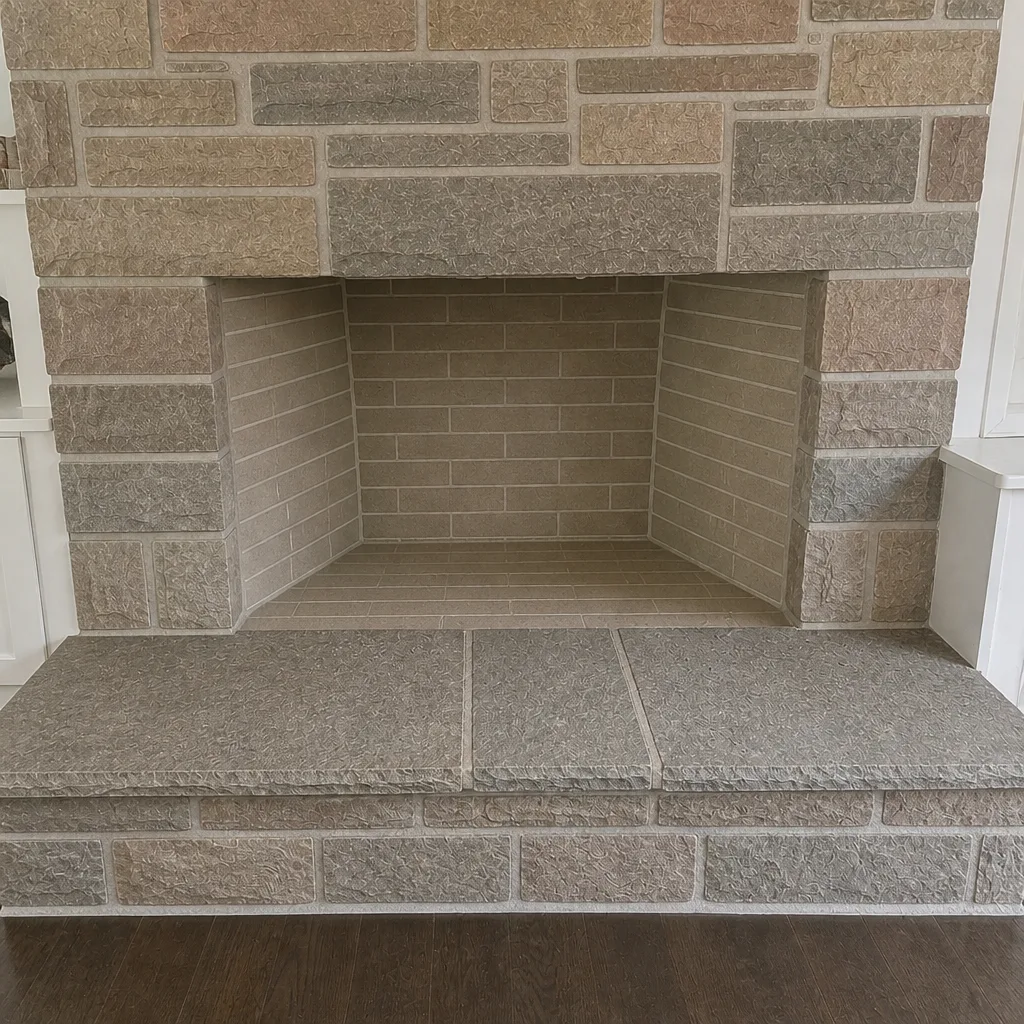
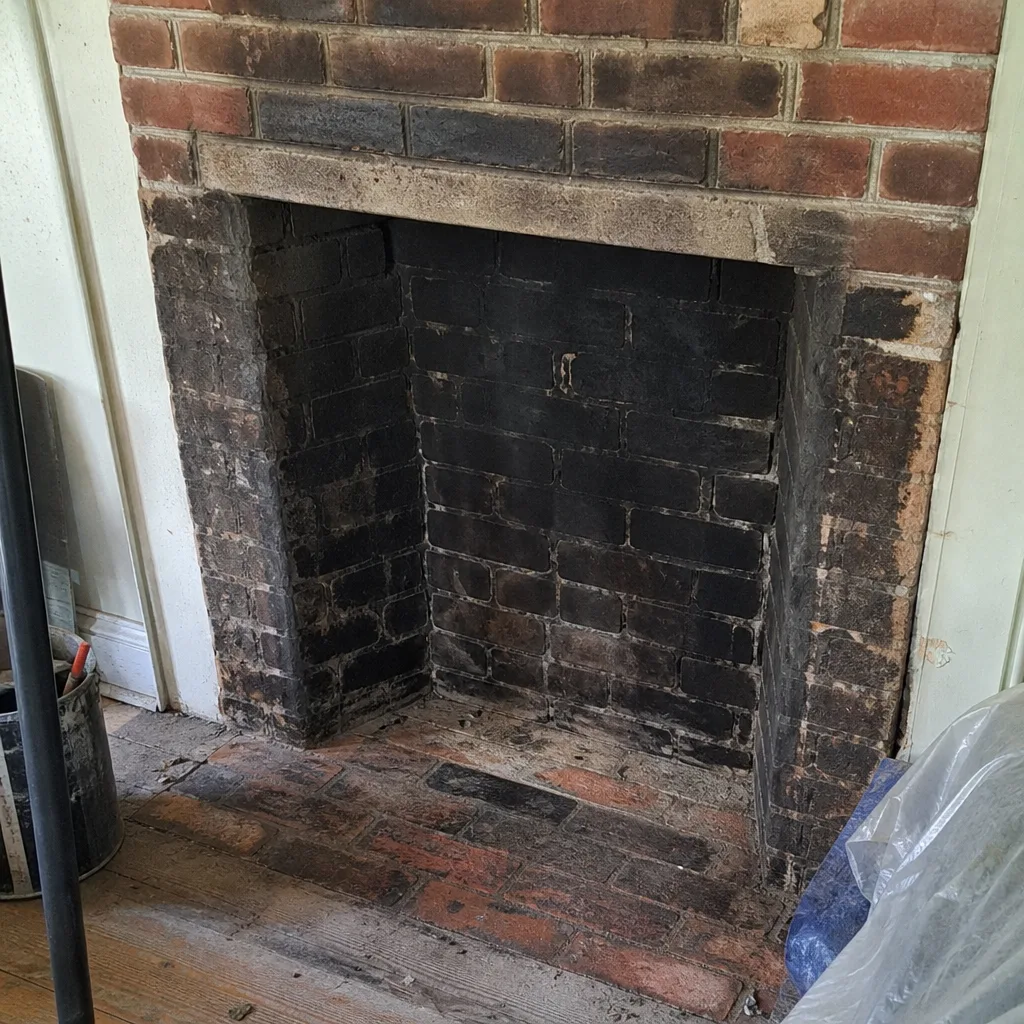
See the difference
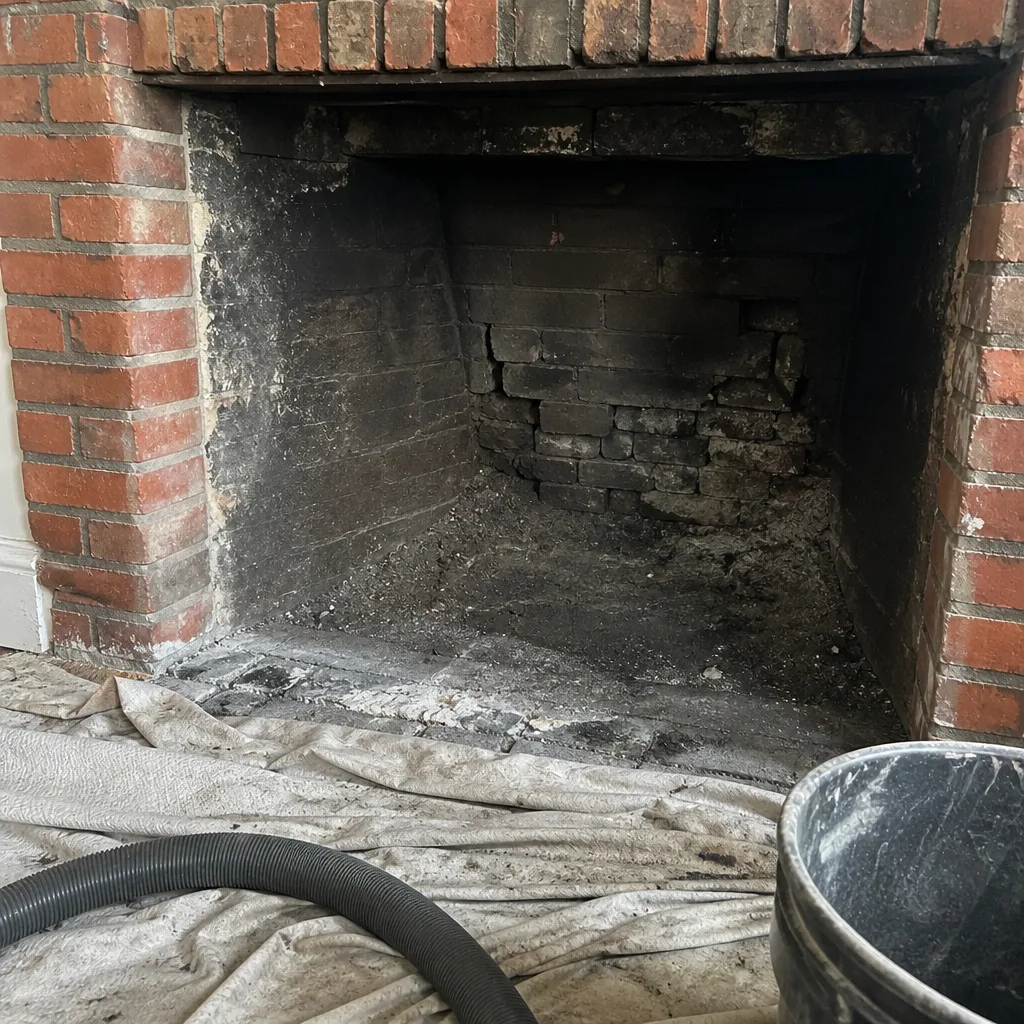 Before
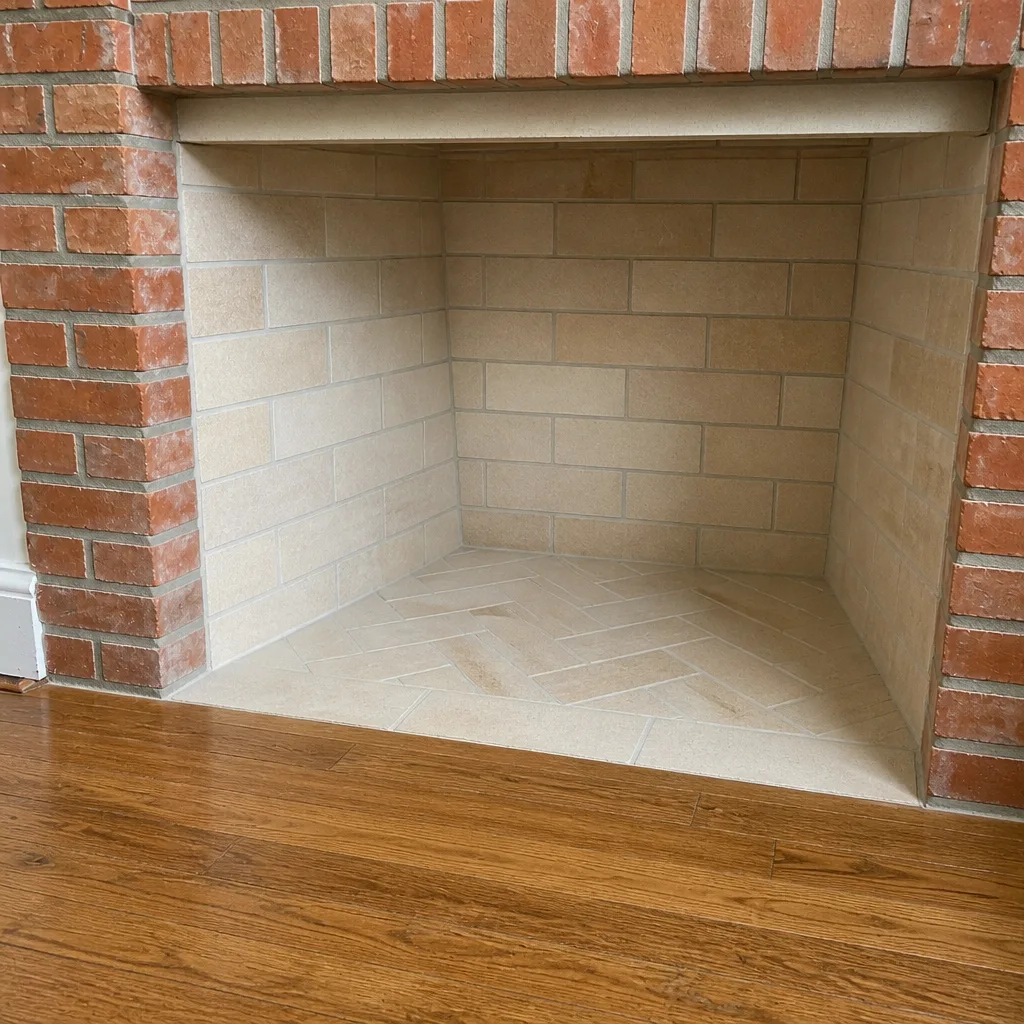 After
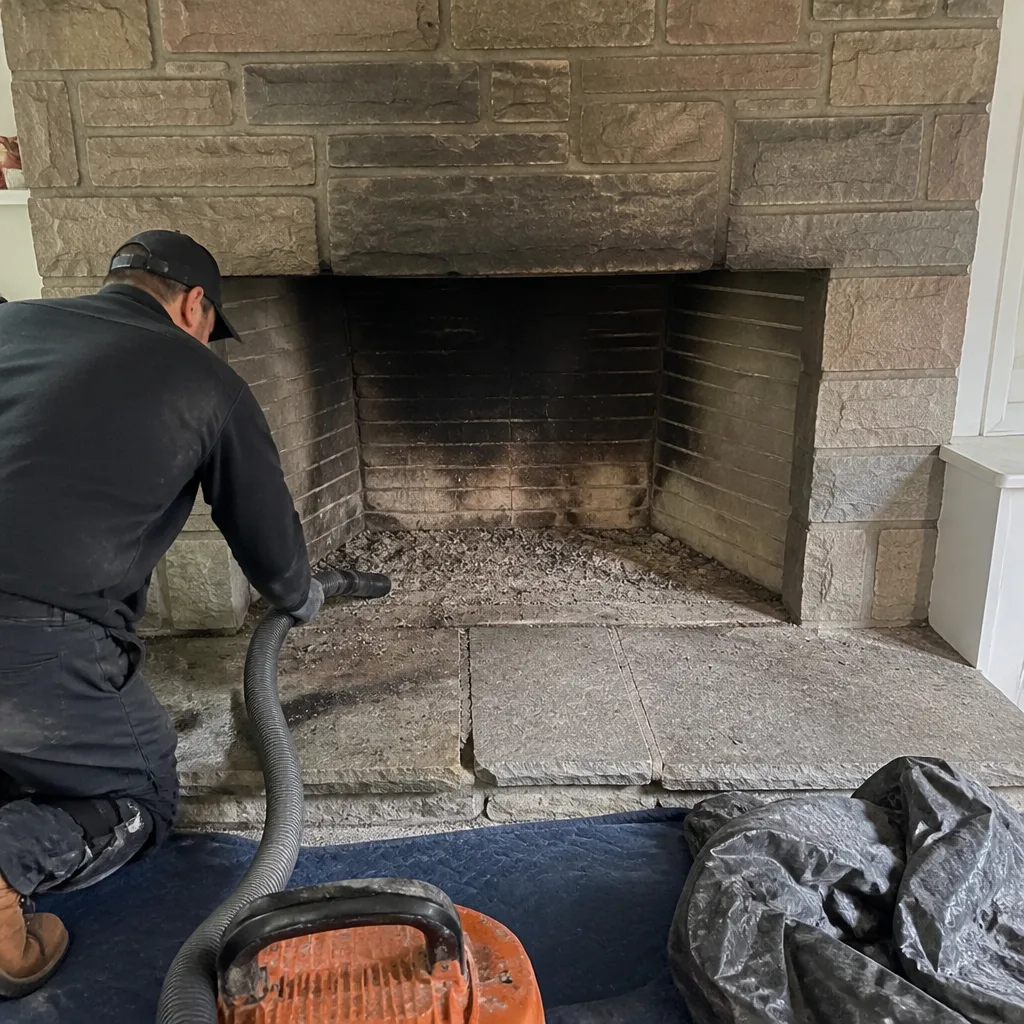 Before
 After
 Before
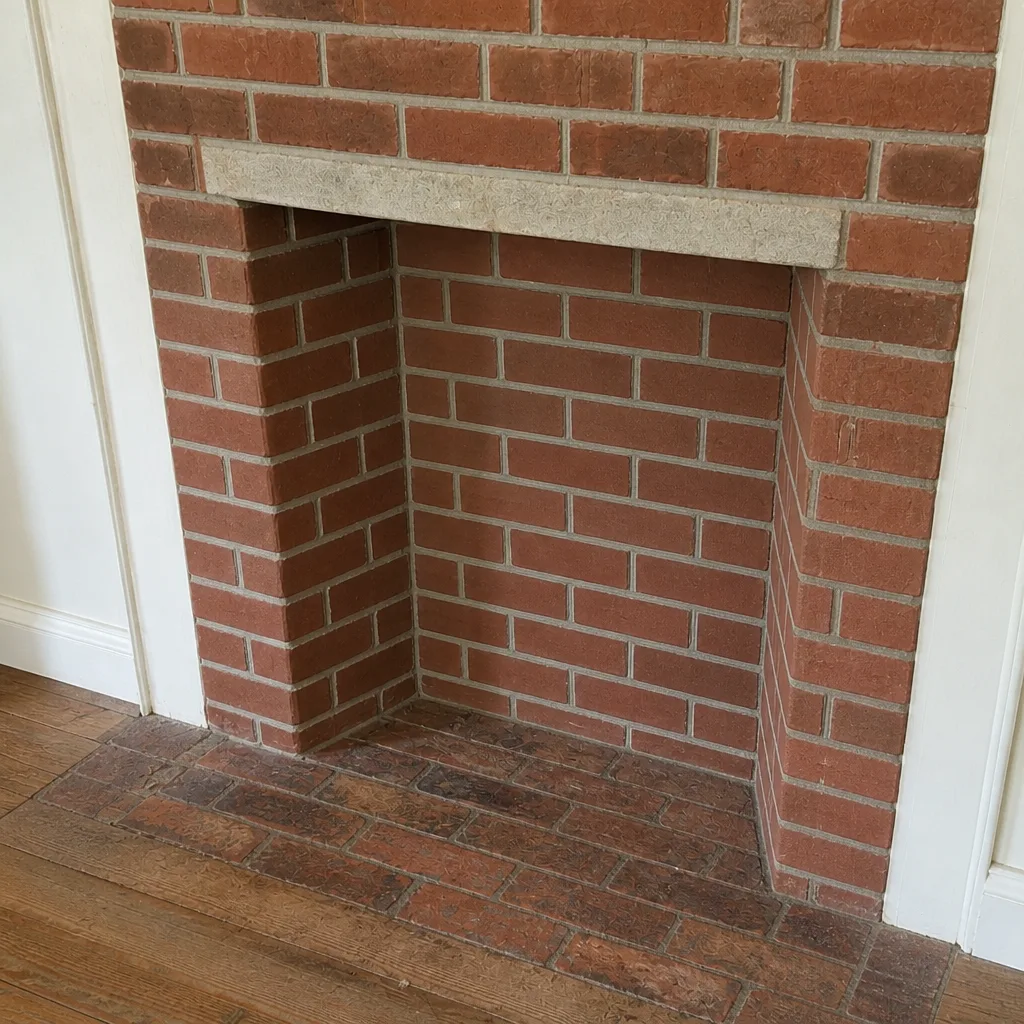 After
When to Call a Professional
If you’ve read this far and you’re still not sure whether your chimney needs professional attention, the safest answer is to have it looked at. Our technicians have up to 9 years of experience, and we can tell you what condition your chimney is in and what, if anything, needs doing. We don’t recommend work without evidence you can see for yourself, and if the chimney can safely wait until next season, we’ll tell you that too. Our technicians have up to 9 years of experience with the full range of chimney systems, and we use professional-grade materials from brands like Famco and Copperfield because that’s what holds up. Chimney Sweep Inwood offers free estimates in Inwood – call (844) 625-7414. We answer 24/7. Fast dispatch from 7am to 7pm, Sunday through Friday.
Frequently Asked Questions
A professional chimney sweep in Inwood is priced per job based on the written estimate, which covers the cleaning and the inspection together. The cost depends on the flue’s condition, the type of buildup, and whether any repairs are needed. Call (844) 625-7414 for an exact quote – estimates are free.
Not necessarily, and a camera scan is the only way to know. A liner that looks fine from the firebox can have cracks higher up in the flue, and the scan is what makes the difference between a guess and a real assessment. If the liner is sound, you don’t need one. Call (844) 625-7414 to schedule an inspection – estimates are free.
Once a year for most wood-burning fireplaces, and more often if you burn frequently or use unseasoned wood. Inwood’s cold winters mean a lot of heating-season use, which builds creosote faster than occasional use would. Gas fireplaces should also be inspected annually since the venting still needs checking. Call (844) 625-7414 for an exact quote.
Creosote builds up and can ignite, and liner cracks can let combustion gases into the structure instead of up the flue. Neither of those things announces itself. A skipped year isn’t an emergency, but a skipped decade usually means a repair that costs far more than the inspections would have. Call (844) 625-7414 to get on the schedule.
You can handle the firebox and ash removal safely, and you can check the cap and crown from the ground. You can’t assess the liner without a camera and the training to read what it shows, and that’s the part that matters most. Cleaning without inspection leaves the biggest risk unaddressed. Call (844) 625-7414 for an exact quote.
Many policies will ask for proof of maintenance when a chimney fire claim comes in, though a specific requirement varies by policy. A documented professional inspection is the type of record that helps a claim go smoothly. Ask your insurance agent about your specific policy, and keep the inspection report on file. Call (844) 625-7414 if you need a documented inspection.
The Bottom Line
The DIY versus professional chimney cleaning question isn’t really about whether you can push a brush through a flue. It’s about whether anyone looks at what’s inside. The firebox upkeep, ash removal, and ground-level checks are yours to handle, and doing them well is worth the time. The liner assessment, the camera scan, and the repair work require equipment and training that don’t come in a hardware store kit. In Inwood’s older masonry buildings, the gap between a clean flue and a safe flue is where the real risk lives. If you’re unsure, get it looked at. Call (844) 625-7414 for a free estimate.
Written by the team at Chimney Sweep Inwood.